Elemental Energy Unveils Hydrogen Fuel Cell Microgrids to Replace Diesel on Construction Sites
Elemental Energy launches hydrogen-battery hybrid microgrids to replace diesel generators on UK and EU worksites, partnering with Toyota and VINCI.
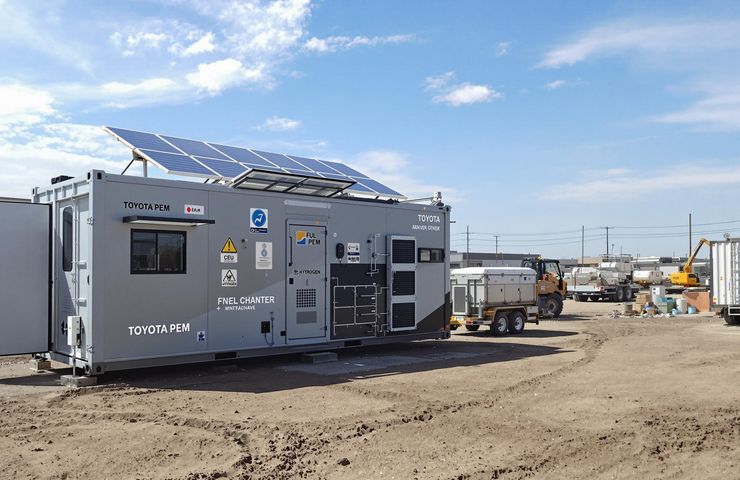
Elemental Energy is shaking things up in a big way with the launch of its hybrid microgrid systems—the H2IPO200 and H2IPO500. Unveiled at the VINCI Group Innovation Inspiration Day 2025 in France, these rugged, plug-and-play setups are aimed at helping UK and European construction sites kick their diesel habits for good. The goal? Create a smarter, cleaner blueprint for powering temporary worksites—without the pollution punch diesel usually brings.
Why This Matters: Ditching Diesel for Good
Let’s face it: on a typical job site, especially in places with patchy grid access, diesel generators have long been the go-to. But regulators—and the environment—aren’t turning a blind eye anymore. From low-emission zones in the UK to new sustainability mandates across Europe, diesel is on borrowed time. That’s where Elemental’s new systems come in, aiming to redefine how energy gets delivered on-site with zero-emission technology that cuts through noise, fumes, and outdated norms.
Inside the Hardware: Smart Power, Clean Output
So what’s under the hood? The H2IPO200 and H2IPO500 blend cutting-edge hydrogen fuel cells with high-capacity batteries in a modular frame that can flex to fit different site needs. At the core is Toyota Motor Europe’s PEM (Proton Exchange Membrane) fuel cell technology, originally built for cars and now re-engineered for heavy-duty, on-site use. It runs off hydrogen, turning it into electricity—and all it releases is water vapor. That power is stored in an onboard Battery Energy Storage System (BESS), which also plays nice with solar panels, wind turbines, or existing grid connections.
On the logistics side, Elemental’s also rolled out its own slick solution: compact 99kg hydrogen trailers that are easy to move and simple to connect. No more wrestling with diesel deliveries or tangled maintenance headaches—just fast, clean energy delivered right where it's needed.
The Grid Can’t Wait—But Projects Can’t Either
The timing? Couldn’t be better. Construction from Manchester to Marseille is straining under tighter carbon rules and outdated power setups. Elemental’s new hybrid microgrids are built for the real world—with power configurations that range from 100kVA all the way up to 500kVA. Whether it’s a few site cabins or something heavy-duty like tower cranes, these systems are built to last—15+ years on average—and built to scale with the job.
VINCI Group’s backing adds serious weight. As a global giant in infrastructure, their support isn’t just a handshake—it’s a market entry ticket. That kind of endorsement tells competitors and policymakers alike that the road to zero-emission technology isn’t theoretical. It's happening. Right now.
Clean, Quiet, and Much More
Turning off diesel doesn’t just clean the air—it transforms the whole energy experience on a site. No more engine roar, which means happier neighbors and fewer complaints in tight urban areas. Plus, simplified compliance with clean-air regulations and fewer headaches from fuel delivery logistics. Yeah, these systems may carry higher upfront costs, but over time, many contractors could see a real drop in operating expenses. That’s a win-win in anyone’s book.
It’s Teamwork That Moves the Needle
This rollout is also a big win for cross-sector innovation. It showcases what happens when powerhouses from different industries start playing on the same team. Elemental Energy brings deployment know-how. Toyota Motor Europe contributes world-class fuel cell technology. And VINCI Group opens the door to real-world impact across infrastructure. Together, they’re not just experimenting—they’re accelerating industrial decarbonization.
Big Picture: Global Implications
While this launch is focused on the UK and Europe, the potential is global. Think mining camps in Australia or emergency zones in the US—places where grid power isn’t reliable or even available. These hybrid microgrids aren’t just cleaner—they’re mobile, modular, and efficient. And they’re starting to look more like the future of temporary energy than some one-off experiment.
Sure, challenges remain. The green hydrogen supply chain needs to expand. Safety codes have to catch up. And skilled labor for installing and maintaining these systems will need to grow. But look back just a few years—solar power went mainstream fast. There’s real reason to think hydrogen fuel cell microgrids could be next in line.
The Road Ahead
As UK construction inches closer to carbon neutrality goals, systems like these are expected to become part of everyday project planning. Whether competitors scramble to keep pace or regulators push wider adoption, one thing is certain: this is the beginning of a bigger shift. And with Elemental’s approach blending battery and hydrogen fuel cell technology, the old diesel generator might finally be taking a backseat.
In short, diesel’s days appear numbered—and hydrogen and battery hybrids are stepping in to take the lead.