Equinor-Centrica Strike £20 Billion Gas Deal with Hydrogen Transition Clause
Centrica and Equinor's £20B gas deal delivers energy security and includes a future hydrogen swap, backing the UK's net-zero 2050 strategy.
Equinor and Centrica have just inked a massive £20 billion deal that not only shores up the UK’s energy security, but could also help kick-start its shift toward a hydrogen-powered future. The 10-year agreement, announced on June 6, 2025, will see the UK receive 5 billion cubic meters (bcm) of natural gas per year from Norway, starting in October 2025—a supply that’ll cover around 10% of the country’s annual demand.
Strategic Angle: From Stability Today to Sustainability Tomorrow
On the surface, it’s a straightforward play for energy stability. But there’s more going on here. This isn’t just about meeting current demand—it’s a forward-thinking deal that includes a unique feature: a built-in option to replace natural gas with hydrogen down the line. That’s a big win for the UK’s legally binding net-zero 2050 ambitions and a clear nod to the growing push for blue hydrogen, which uses steam methane reforming (SMR) combined with carbon capture and storage (CCS) to slash emissions.
Amid the energy uncertainty and political tensions that have rocked global markets since 2022, this partnership solidifies Norway’s role as the UK’s go-to supplier for natural gas imports. With the UK’s own gas output steadily shrinking—and imports climbing to make up 66.2% of total consumption in 2024—this long-term deal offers much-needed peace of mind for both consumers and businesses.
Technical Snapshot: Norway’s Pipelines and Hydrogen Potential
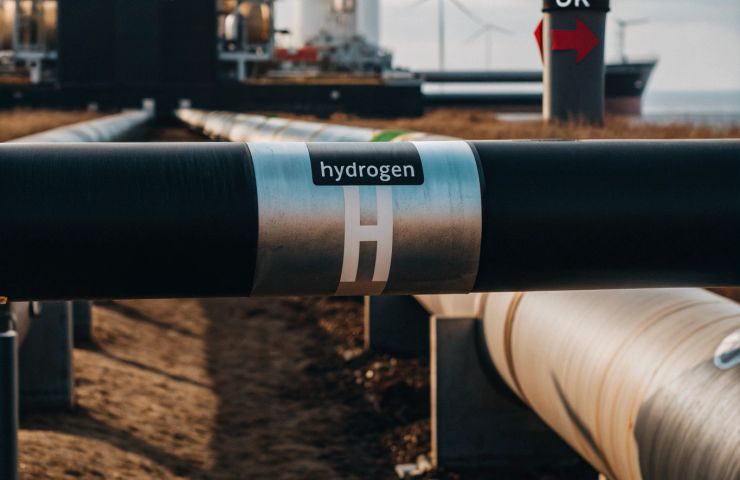
The gas will travel through subsea infrastructure including the Langeled pipeline system, connecting Norway’s Continental Shelf directly to UK terminals. Should the move to hydrogen come to pass, Equinor has positioned itself to step in with blue hydrogen production—like its current work on the H2H Saltend project—ready to fill the gap. It’s a confidence booster for stakeholders betting on future-ready hydrogen infrastructure in the UK.
Key Takeaways:
- This £20 billion gas deal secures a dependable energy supply for the next 10 years.
- The built-in hydrogen swap clause creates a flexible route toward zero-carbon energy.
- The agreement gives a confidence boost to investors eyeing hydrogen production and storage tech in the UK.
- Offers stability as homegrown energy output dips and international markets remain unpredictable.
Expert Insight: Meeting Today’s Needs While Planning for Tomorrow
Chris O’Shea, Centrica’s CEO, summed it up well: “This agreement strengthens our ability to deliver reliable gas to our customers today while laying the groundwork for a cleaner tomorrow.” Over at Equinor, CEO Anders Opedal emphasized their dual focus—delivering stable supply now while helping Europe transition to sustainable energy.
That said, not everyone’s fully onboard. Some climate advisers have warned that locking in long-term gas contracts could slow the shift to low-carbon alternatives unless the hydrogen transition happens fast enough. But the inclusion of the swap clause gives hope that this contract might be more of a stepping stone than a stumbling block—if timelines are kept in check.
Closing Thoughts
This bold move from Equinor and Centrica shows how fossil fuel realities and climate goals don’t have to clash—they can actually coexist, if designed with some foresight. It’s a strong template for future partnerships: secure today’s energy needs, with one eye on tomorrow's cleaner possibilities. And at the heart of it all? A growing bet on hydrogen as the fuel that could well help power a more sustainable energy future.