Hydrogen news
Could environmentalist-hated fracking be the key to clean energy?
Environmental groups – among many others – loathe fracking, but could it offer zero-carbon power? When most people think of fracking, the last thing that comes to mind is decarbonization and clean energy, but this technology pioneered by the oil and gas industry may have the potential for much greener applications. The idea is to use hydraulic fracturing techniques in a new way Southern California Edison, one of the largest electricity companies in the United States, has announced a deal to purchase electricity from Fervo Energy, a startup that began seven years ago and that uses fracking to…
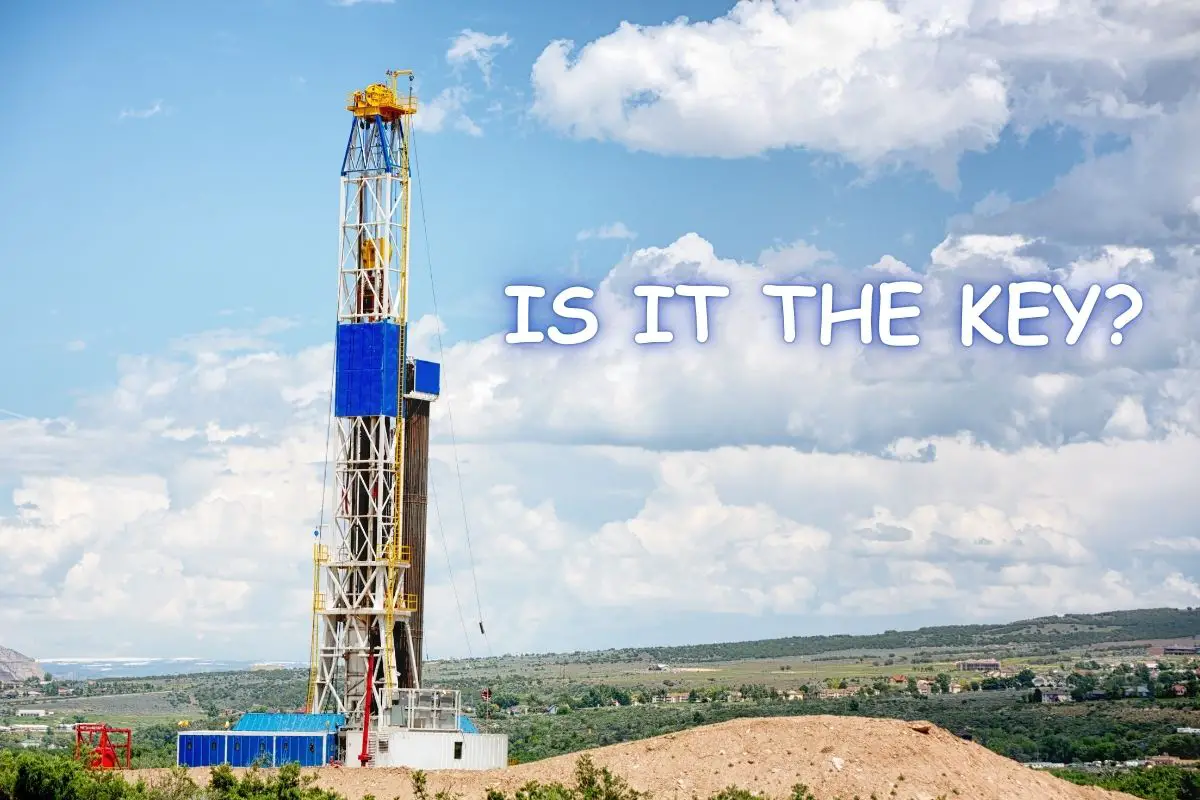
Environmental groups – among many others – loathe fracking, but could it offer zero-carbon power?
When most people think of fracking, the last thing that comes to mind is decarbonization and clean energy, but this technology pioneered by the oil and gas industry may have the potential for much greener applications.The idea is to use hydraulic fracturing techniques in a new way
Southern California Edison, one of the largest electricity companies in the United States, has announced a deal to purchase electricity from Fervo Energy, a startup that began seven years ago and that uses fracking to reach deep into the ground to source power. That said, this technique is being used differently than the way oil and gas giants have been applying it. In this case, only the heat stored beneath the surface of the Earth is being accessed, thereby obtaining clean energy without contributing to climate change. The heat is used to power a geothermal plant.Using fracking for clean energy from geothermal power
The majority of the world’s power plants use technology of one form or another to rotate a turbine that generates electricity. This often involves burning some sort of fossil fuel such as coal to boil water, which sends steam through the turbine, turning it. However, use of those fossil fuels leads to greenhouse gas such as carbon emissions, which contribute to global warming. Typical geothermal plants capture steam from hot springs and other natural underground locations, making them popular in places where those features exist, such as in Northern California’s Geysers or in the hot springs of Iceland.
Bringing geothermal to other parts of the world
That said, the entire world isn’t gifted with geysers and hot springs. Therefore, new fracking techniques are being used to tap into the heat that is deep underground. They drill down by about 10,000 feet, then drill horizontally. This makes it possible to access the Earth’s natural heat. Water is pumped underground, absorbing the heat and turning to steam which turns a turbine in the geothermal power plant. In this way, without oil or gas, clean energy can result. What has yet to be seen is if this technique will allow power generation without resulting in some of the other side effects of hydraulic fracturing, such as increases in earthquakes.How was this article?
Thanks for the feedback!