News
How Fuel Affects Your Towing Efficiency
It is hard to imagine another activity that is just as taxing for the vehicle as towing. It can be outrageously inefficient for a whole variety of reasons. And thus, SUVs or truck openers who tow every once in a while often begin to consider ways to save fuel or optimize the process to get better results with less input. Not everyone is open to the idea of modifying their vehicle to get better numbers in the long run. It can be rather expensive and sometimes potentially harmful to the vehicle. So usually, the best way to get the right vehicle is in the very beginning. Some parts have more…

It is hard to imagine another activity that is just as taxing for the vehicle as towing.
It can be outrageously inefficient for a whole variety of reasons. And thus, SUVs or truck openers who tow every once in a while often begin to consider ways to save fuel or optimize the process to get better results with less input. Not everyone is open to the idea of modifying their vehicle to get better numbers in the long run. It can be rather expensive and sometimes potentially harmful to the vehicle. So usually, the best way to get the right vehicle is in the very beginning. Some parts have more impact on towing efficiency than others, of course. Wheels size and cooling are important, however, what really makes a vehicle fit for towing is a strong frame and its “heart”. A powerful engine that can produce enough torque is compulsory for heavy-duty tasks. And the fuel that pulses through this heart also matters a lot.Can better fuel improve towing capacity?
We usually associate trucks with diesel engines. But if you look closely at the vehicle towing capacity ratings, you will notice all sorts of engines used for the trucks. Some are regular fuel powered, some use diesel and lately, there have been more and more hybrid vehicles with a good towing capacity among them as well. This indicates that the fuel and engine type, although very important, are not the most influential factor. Some types of fuel are more suitable for those who do a lot of towing with their vehicles. For instance, if you are driving a gas-powered vehicle, you have probably stumbled across recommendations to use premium gas or higher octane fuel. This might make sense. However, swapping your regular fuel for a higher-quality product will not change the actual towing capacity. All it can do is improve your vehicle’s overall performance. And the same goes for diesel, hydrogen cells and batteries.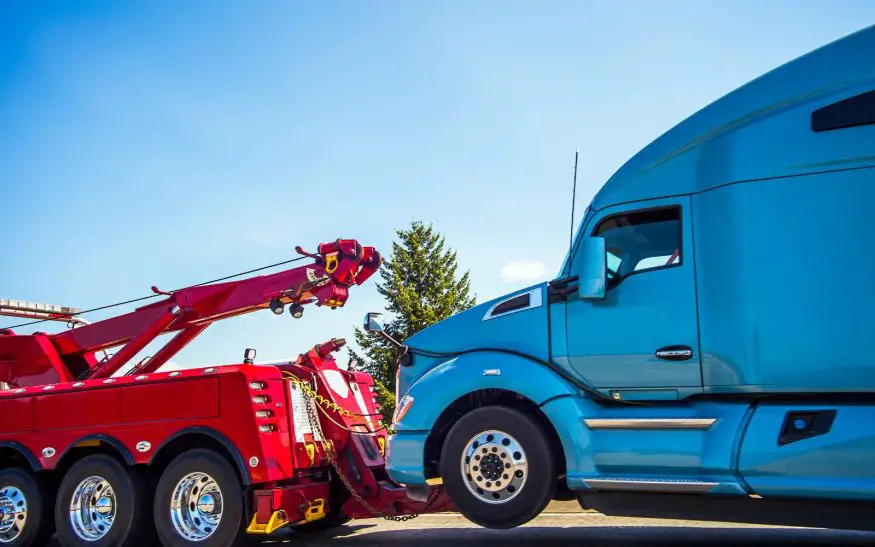
Fuel has an indirect impact on towing capacity
What actually makes the difference for towing is how heavy your vehicle is. Remember that towing makes your car pull both its own weight and the load you attach to it. And usually, pulling weights is easier for the vehicle than pushing its own weight. That is why towing capacity has a higher number compared to what you can safely haul inside. And this is where fuel actually starts to matter but for all the wrong reasons. Engines are designed to work a specific type of fuel, and they are built differently. And so is their weight. The most common gas-powered cars use bulkier engines for heavy-duty models to keep up with what a regular diesel engine can do. They also require more fuel, so if you compare the gas tank size of a regular car and the one with a high towing capacity, there will be a significant difference. Unfortunately, this also contributes to extra weight. Diesel, on the other hand, packs much more power than gasoline. Diesel-powered vehicles have an advantage, thanks to that. Their engines can produce enough torque and power with only 6-8 cylinders and still don’t feel strained. “This efficiency is only true if you are towing below the max capacity. Anything equal to that or above is risky.” warns Oliver Brown, Data Coordinator at Wheelssize.com. Another interesting addition to the list is alternative power like electric batteries and hydrogen fuel cells. They don’t use combustion to generate power. Hence, there is no need for a bulky engine. And the lightest vehicles in this regard are hydrogen-powered. This is one of the traits that make them so appealing for trucks.
The real game changer factor for towing
With so many electronics shoved inside every modern vehicle, the engine is hardly the only culprit behind lowering towing efficiency. And while having some extra hundred pounds to your limit is only beneficial to regular towing of large trailers or boats, fuel efficiency is always in priority. This issue is even more pressing now when the prices of fuel rise all the time. Just imagining that 70%-80% of the gasoline you put inside the gas tank goes to waste by simply heating up the air around your car is painful. Introducing some upgrades to make the car lighter or using a premium grade of fuel can only slightly tilt the scales to make you feel better. Now, diesel is the popular go-to option for towing since it concentrates more power, so you need less fuel to do the job. this type of engine can only get you 20%-35% better results than gas-powered. This is great if you compare it to gasoline, but both types of fuel use combustion to generate power. [aweber listid="6179904" formid="497551345" formtype="webform"] Unfortunately, this method is insanely inefficient and harmful to the environment. And due to this inefficiency and no potential to turn the tables on how we use combustion engines, vehicle manufacturers invest more in EVs and alternative fuels. EVs have a good potential for towing and hauling goods, but their range on the battery is still quite limited. Charging takes time and the batteries they use must pack a lot of power to push the vehicle and its load. And bigger batteries mean more weight and less towing capacity as a result. But their benefit is an inefficient use of what power they have. Around 80% of electric power actually goes to spin your wheels and push the car forward. No other engine is capable of that. This is not the case for hydrogen fuel cells. They convert actual fuel to produce their own electricity to keep going. And the amount of fuel they need is much lower than combustion engines. This combo is what makes them so much lighter than any other type of cars and trucks today. Despite that, their efficiency can only get to up to 40%, all things considered. And it is not the most affordable fuel to buy, especially if it is really green hydrogen. However, despite all the limitations of EVs and hydrogen fuel cells, they still have a lot of untapped potential to improve. And unlike combustion engines, they still can become greener and more efficient.How was this article?
Thanks for the feedback!