Hydrogen news
Remote town in Canada could fully plug in to geothermal energy – a first for the country
Rainbow Lake could soon heat and power its community with geothermal power. This remote town in northwest Alberta could be the first in Canada to rely on geothermal energy for its heat and power. The project has been made possible thanks to the town partnering with E2E Energy Solutions. Rainbow Lake is an area that’s unlike anywhere else in Alberta. According to the town’s chief administrative officer, Dan Fletcher, Rainbow Lake is a unique area in Alberta. The town has potential for energy generation and “other downstream activity that geothermal allows,” especially at the town’s low depths.…
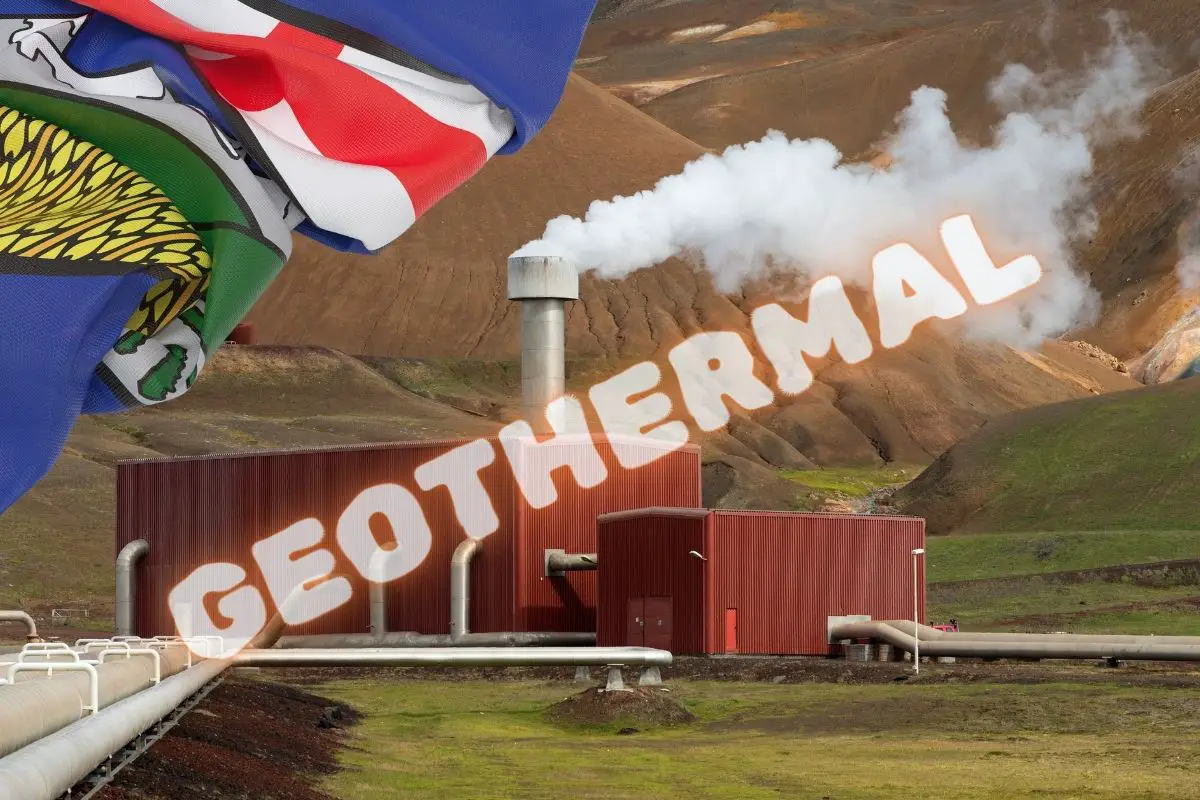
Rainbow Lake could soon heat and power its community with geothermal power.
This remote town in northwest Alberta could be the first in Canada to rely on geothermal energy for its heat and power. The project has been made possible thanks to the town partnering with E2E Energy Solutions.Rainbow Lake is an area that’s unlike anywhere else in Alberta.
According to the town’s chief administrative officer, Dan Fletcher, Rainbow Lake is a unique area in Alberta. The town has potential for energy generation and “other downstream activity that geothermal allows,” especially at the town’s low depths. Due to its unique location, there is a good chance that while the town can’t rely on conventional geothermal, it’s aquifers can benefit from E2E Energy Solutions’ innovative geothermal energy technology – the Enhanced Geothermal Reservoir Recovery System (EGRRS).Conventional geothermal energy is great…when it can work.
Conventional geothermal occurs when subterranean aquifers are hot enough to generate power. However, these hot-enough-to-produce-power aquifers usually exist in volcanic regions and are close to faults, such as those in Iceland and California. While conventional geothermal is ideal and the most economic, as Domenico Daprocida, President and CEO of E2E Energy Solutions, explains in a CTV News report, it doesn’t work in other regions where subterranean aquifers simply aren’t hot enough. E2E Energy Solutions is hoping to change that with the EGRRS.
According to Daprocida, how the technology works is “It takes an existing aquifer, takes the fluid, takes it deeper, heats it up further and then produces it at the surface.”
While conventional geothermal is ideal and the most economic, as Domenico Daprocida, President and CEO of E2E Energy Solutions, explains in a CTV News report, it doesn’t work in other regions where subterranean aquifers simply aren’t hot enough. E2E Energy Solutions is hoping to change that with the EGRRS.
According to Daprocida, how the technology works is “It takes an existing aquifer, takes the fluid, takes it deeper, heats it up further and then produces it at the surface.”
A big undertaking for a small community.
The CEO openly admits that the geothermal energy pilot project is a “big undertaking for sure” as the goal is to generate sufficient heat and power for an entire community. The pilot project is to be completed in three phases:- EGRRS polit
- Building a surface geothermal facility
- Design and installation of required town infrastructure
How was this article?
Thanks for the feedback!