Hydrogen news
World’s biggest ever gold hydrogen flow found in Albania
A team of geologists located and measured the natural flow of H2 at a chromium mine. A geologist team affiliated with a number of French institutions teamed up with two Albanian colleagues and have measured the biggest gold hydrogen flow ever found. The H2 was measured in a chromium mine and the study was reported in the Science journal. According to the report, the teams measured the gold hydrogen bubbling up through some of the mine’s liquid pools. Naturally occurring H2 in large quantities is an increasingly sought-after resource as it is being viewed as an important fuel source in the w…

A team of geologists located and measured the natural flow of H2 at a chromium mine.
A geologist team affiliated with a number of French institutions teamed up with two Albanian colleagues and have measured the biggest gold hydrogen flow ever found.The H2 was measured in a chromium mine and the study was reported in the Science journal.
According to the report, the teams measured the gold hydrogen bubbling up through some of the mine’s liquid pools. Naturally occurring H2 in large quantities is an increasingly sought-after resource as it is being viewed as an important fuel source in the world’s transition away from fossil fuels. Using it in fuel cells does not produce greenhouse gases such as carbon dioxide. Finding it in natural sources also helps to sidestep many challenges regarding the production of H2, as it is already available without the need to use other energy sources to make it. Tapping natural H2 reserves such as the one under Albania’s Bulqizë chromium mine provides access to the fuel without any production requirements.Research has previously indicated that there is a large gold hydrogen reservoir under the mine.
The researchers have now measured it and have found that it is now the largest natural H2 reservoir known in the world. They believe it was produced during shifts in the Earth’s crust millions of years ago.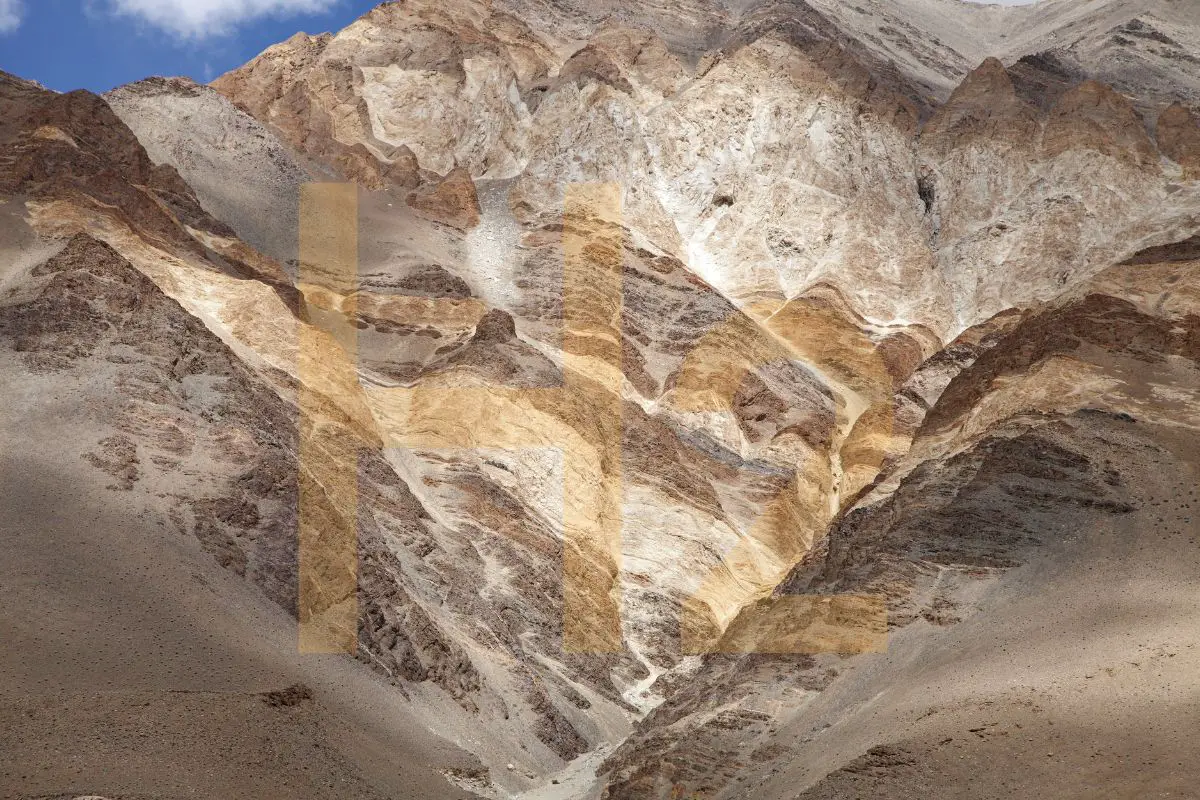 The gas was pushed up into a rocky land belt formation known as ophiolite. There are a number of ophiolites that have been discovered in various parts of the world. Many of them are also believed to hold reservoirs of natural H2.
Bubbling up to the surface
In the Albanian case, the researchers came to examine the mine following reports that large quantities of hydrogen were making their way through the vents and were bubbling into the mine’s drainage pools. There have also been a number of explosions reported.Measuring gold hydrogen at multiple locations.
The researchers measured the gold hydrogen seepage at several locations at the mine. They conducted an analysis of their measurements and produced an estimate of the total amount of H2 escaping from under the mine. What they found was that every year, the mine allows about 200 metric tons of H2 to escape, making it the largest natural hydrogen flow ever recorded. Ready to test your knowledge on the most abundant element in the universe? Take our fun and engaging Hydrogen Quiz now! [forminator_quiz id="58712"]How was this article?
Thanks for the feedback!