Green Hydrogen Powers World's First Zero-Emission Optical Fiber Facility in India
India launches the world’s first optical fiber facility powered entirely by green hydrogen, setting a new global standard for industrial decarbonization. Behind it: Hygenco’s electrolysis plant and STL’s tech-forward emissions strategy.
India just hit a major milestone in the green hydrogen space. On July 17, 2025, Hygenco Green Energies and Sterlite Technologies Ltd. (STL) flipped the switch on Maharashtra’s first-ever facility for producing both green hydrogen and green oxygen—and they didn't just launch another plant. They set a global first: this site powers optical fiber manufacturing entirely with 100% green hydrogen.
What Makes This a Game-Changer?
The facility’s based in Chhatrapati Sambhaji Nagar (you might remember it as Aurangabad), and it's now pumping clean hydrogen into STL’s glass preform plant. Instead of using hydrogen made from fossil fuels, which has been the industry norm, they’re making theirs with renewable-powered electrolysis. The result? A massive 30% cut in carbon emissions right at this site. That’s a major move toward STL’s goal of reaching net-zero by 2030.
Hygenco is bringing the hydrogen via a 20-year offtake deal. They’ve built, own, and now operate the facility, which also churns out green oxygen—a handy by-product that STL uses in its glass-firing process. It’s a solid one-two punch for cleaner production.
Not Just Green — Smart Business, Too
This isn’t just about doing the right thing for the planet—it’s a forward-thinking business move. With global climate policies tightening—think the EU’s Carbon Border Adjustment Mechanism—and India pushing its own National Hydrogen Mission, companies like STL and Hygenco aren’t just keeping up, they’re getting ahead.
For STL, this first-mover move gives them a clear ESG edge. That could attract investors who care about sustainability, and open doors to telecom giants looking to green their own supply chains.
And the economics? While green hydrogen production still costs more than conventional methods, Hygenco’s long-term model coupled with a steady supply of inexpensive local renewables keeps prices stable—potentially through the 2040s. That shields STL from fossil fuel price spikes and future carbon taxes.
The Tech Behind the Shift
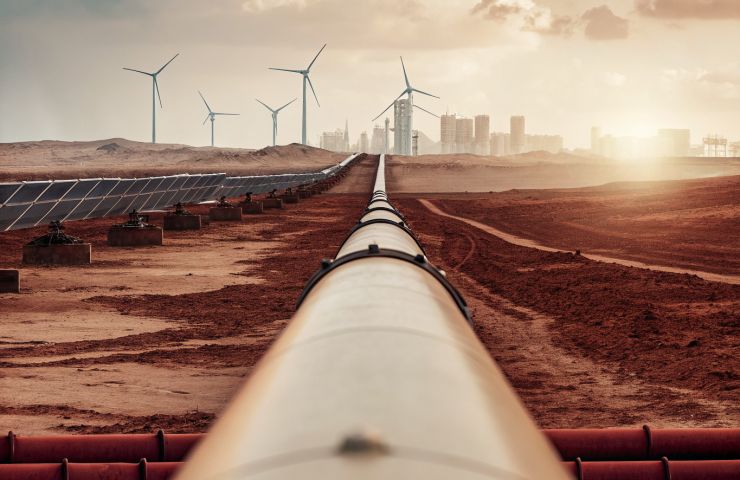
- Green Hydrogen Production: Using renewable electricity, water gets split into hydrogen and oxygen—no fossil fuels, no emissions. That’s the magic of electrolysis.
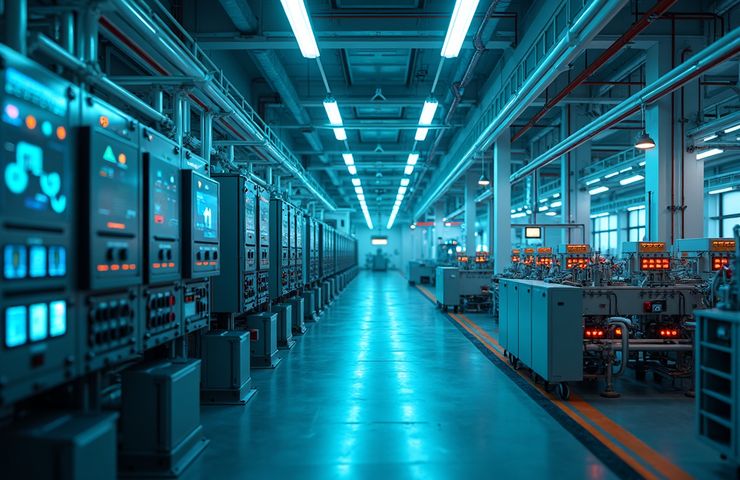
- Industry 4.0 Energy Systems: AI, sensors, and automation help fine-tune the entire operation. Energy usage is tracked and optimized in real time, keeping things efficient and safe.
So, Why Chhatrapati Sambhaji Nagar?
This place is more than just an industrial center—it’s becoming a hotspot for sustainable energy innovation. With over 1.5 million residents, a skilled workforce, and access to solid infrastructure, it’s perfectly positioned to become India’s next big clean industry corridor. And now that the hydrogen plant is live? Expect to see more green-tech investments cropping up fast.
India’s Hydrogen Momentum Is Building
Hygenco was already laying serious groundwork before this. They’ve launched two other big plants in Ujjain and Hisar—dubbed Project Heartland and Project Steel One. Backed by a bold $2.5 billion plan to hit 10 GW of green hydrogen and ammonia capacity by 2030, they’re not slowing down anytime soon.
This isn’t just about domestic goals either—it’s about earning the trust of global investors. The approach they’ve taken with STL could serve as a blueprint for other hard-to-abate sectors worldwide, from steel to cement to chemicals.
But What’s the Catch?
Like with any new tech frontier, there are still hurdles to clear:
- The policy landscape needs to mature—uncertainties around tax breaks and renewable pricing can slow momentum.
- Building the infrastructure—especially for storage and transportation—remains a work in progress.
- High upfront costs could be a dealbreaker for smaller manufacturers unless more incentives come into play.
The upside? That 20-year offtake deal between STL and Hygenco helps cut through some of those risk factors from the get-go.
A Look Ahead: A Breakthrough That Could Scale
This isn’t a one-off feel-good headline. It’s a live, functioning example of how industrial decarbonization can work in practice. Green hydrogen is no longer just a buzzword—it’s now a real part of the global telecom supply chain. With private funding, cutting-edge analytics, and renewable juice powering the process, it’s not just cleaner—it’s smarter.
Bottom line: STL and Hygenco didn’t just raise the bar. They changed the game for sustainable energy in manufacturing. Now it’s time to see who’s next in line to follow their lead.