Green Hydrogen Project in Speyside Faces Pushback Amid Tourism and Environmental Concerns
ES Comet’s plan for a green hydrogen plant in Speyside, Scotland is meeting heavy local resistance. Tourism, whisky heritage, and landscape concerns collide with the UK’s hydrogen ambitions.
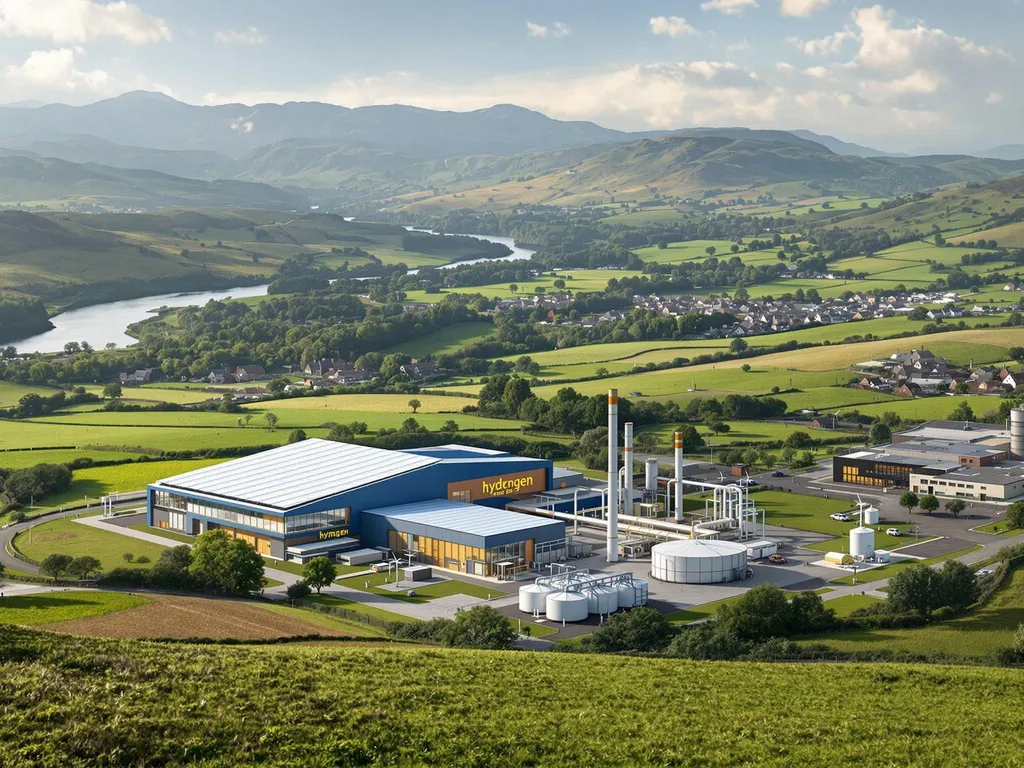
ES Comet has big plans to build a green hydrogen production site in Speyside, Scotland, but not everyone’s raising a glass in celebration. Instead, the proposal has stirred up a wave of pushback from residents, highlighting the tricky balancing act between pushing forward with sustainable energy and protecting cherished local landscapes and livelihoods.
Green Goals, Local Concerns
The UK-based renewable energy player has put in a formal application to develop a hydrogen facility powered by electrolysis—a process that uses renewable power to split water into hydrogen and oxygen, with zero emissions. On paper, it’s a move that aligns nicely with the UK’s goals around industrial decarbonization and scaling up hydrogen infrastructure. But on the ground in Speyside, reactions have been far more divided.
Since the news broke, The Highland Council has been flooded with hundreds of objections. Locals are worried the plant could spoil the area’s scenic charm, disturb wildlife, flood the narrow roads with heavy trucks, and knock the wind out of the region’s biggest draw: whisky tourism.
Why Speyside, and Why Now?
Speyside isn’t just stunning—it’s steeped in history and home to some of the most famous whisky distilleries on the planet. But it also has something else going for it: great access to wind and hydro power, making it a sweet spot for sustainable energy projects.
From ES Comet's perspective, it’s the perfect place to kick off a signature hydrogen production facility. They say the long-term benefits for the planet outweigh the short-term bumps in the road. But not everyone’s buying it. Many locals feel like the project is being rushed through without enough say from the people who live there.
The Tech Behind the Tension
At the core of the plan is electrolytic hydrogen, which is seen as one of the cleanest ways of producing hydrogen. But let’s face it—clean doesn’t always mean uncontroversial. Drop a high-tech energy project into a rural, postcard-worthy region, and you’re bound to run into resistance.
“There’s no doubt hydrogen’s part of the future,” one energy analyst shared. “But if you want public support, you’ve got to have open conversations. These projects can’t just be parachuted into communities. Trust matters.”
Deciding What Fits
Now, it’s up to The Highland Council to decide. Their choice won’t just hinge on environmental reports—it’s also about whether the hydrogen plant fits with the soul of the region. Can it sit alongside whisky, wilderness, and winding roads? Or does it risk damaging the very things that make Speyside tick?
Other projects in scenic or heritage-rich areas have faced bumpy roads too. Whether ES Comet can adjust its plans to win over skeptics could be the make-or-break moment for its future in Speyside.
The Bigger Picture
What’s happening in Speyside isn’t just about this one facility—it’s a test case. If green hydrogen production can’t win the hearts of locals here, what does that say for rolling out similar projects in other parts of the UK—or even globally?
For hydrogen infrastructure to succeed, it can't just be about cutting emissions. Communities need to feel like they gain something. That means clear communication, shared economic benefits, and a genuine commitment to do right by the environment and the people who call these places home.
What to Watch
The next move belongs to The Highland Council, and their decision could echo far beyond this corner of Scotland. Will ES Comet tweak the project to address community fears, or is a bigger rethink on the cards? Either way, Speyside has become ground zero in a much larger conversation about how—and where—net-zero infrastructure can truly take root.