Hydrogen news
Airbus’ ZEROe hydrogen aircraft project is on the right track
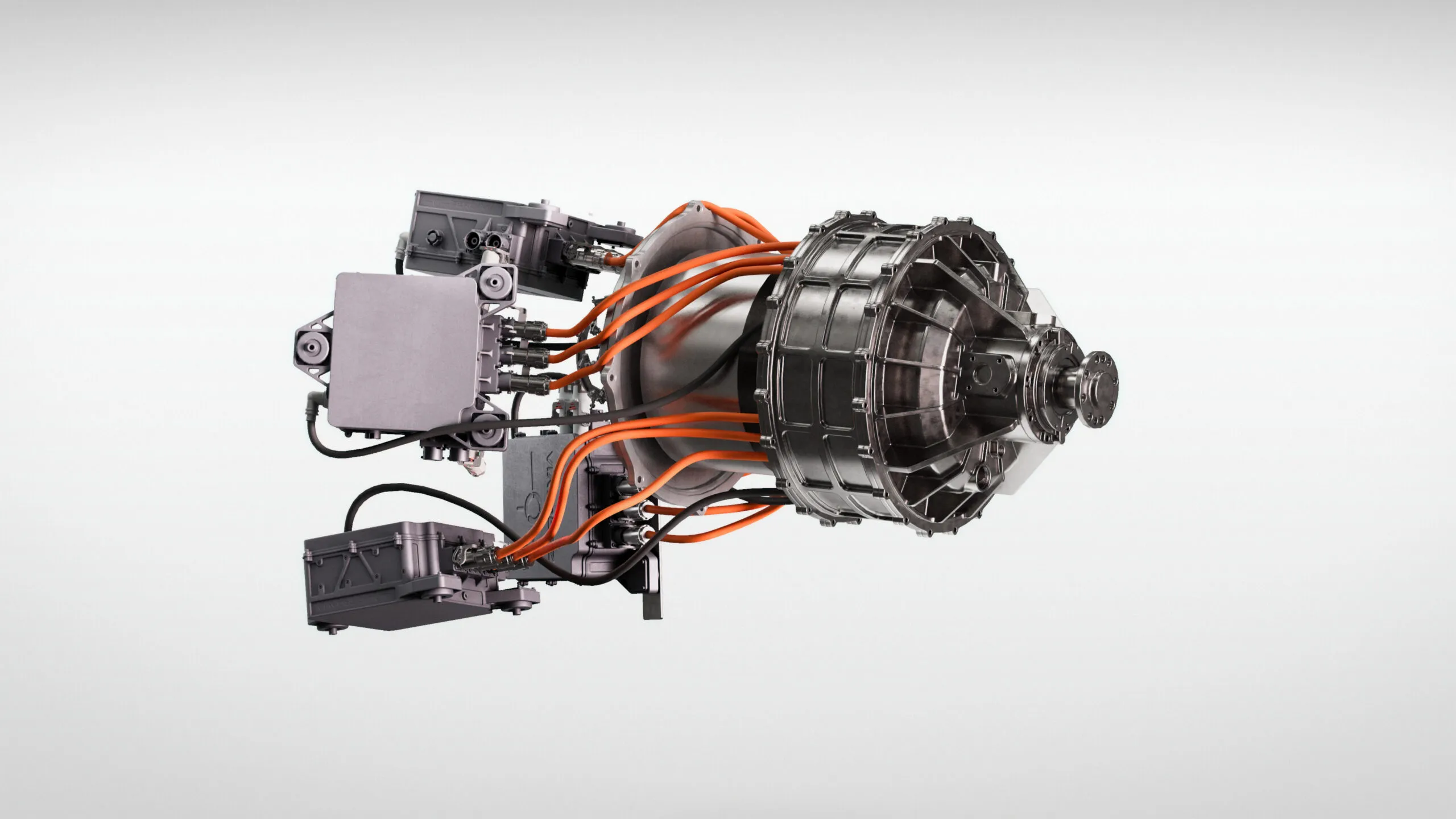
The aerospace giant has operated its first hydrogen-electric propulsion system. According to Airbus, it has completed the iron pod propulsion system for its planned concept hydrogen aircraft and continues to make steady progress toward its goal of using large hydrogen-electric aircraft from 2035. All components of the propulsion system operated together for the first time. At the end of last year (2023), Airbus’ iron pod propulsion system for its concept hydrogen aircraft was bench tested for the first time. While this occasion didn’t mark the first test of each of the iron pod’s individual c…
The aerospace giant has operated its first hydrogen-electric propulsion system.
According to Airbus, it has completed the iron pod propulsion system for its planned concept hydrogen aircraft and continues to make steady progress toward its goal of using large hydrogen-electric aircraft from 2035.All components of the propulsion system operated together for the first time.
At the end of last year (2023), Airbus’ iron pod propulsion system for its concept hydrogen aircraft was bench tested for the first time. While this occasion didn’t mark the first test of each of the iron pod’s individual components – a 1.2 MW hydrogen fuel cell system, electric motors, and control and cooling components - it did mark the first time they were operated at the same time. “It was a huge moment for us,” commented Mathias Andriamisaina, Head of Testing and Demonstration on the ZEROe project. “…the architecture and design principles of the system are the same as those that we will see in the final design.” “The complete power channel was run at 1.2 megawatts, the power we aim to test on our A380 demonstrator,” added Andriamisaina.More tests of the concept hydrogen aircraft system are slated for this year.
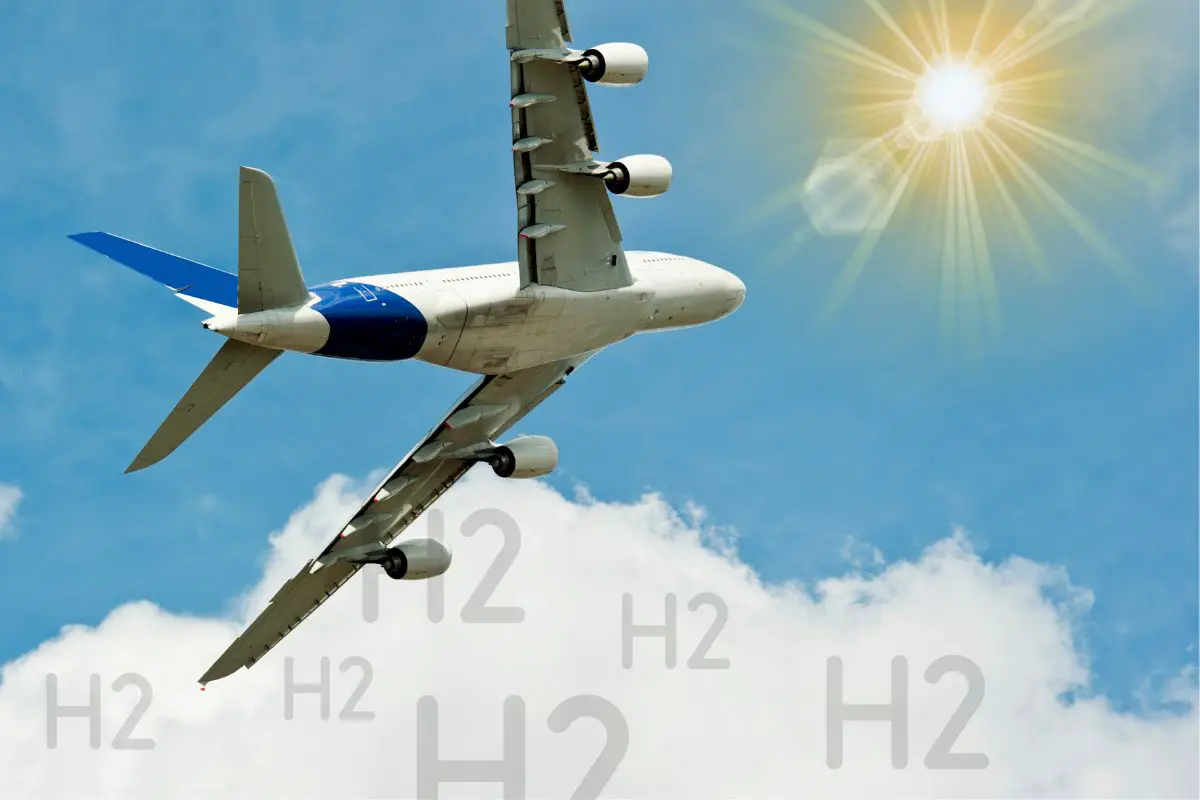
Extensive testing of the first version of the iron pod system will continue throughout 2024. Testing is taking place at the E-Aircraft System House (EAS) in Ottobrunn, Germany, where extensive tests of the fuel cell system have already taken place. It is at the EAS where the main components of the propulsion system that will be utilized to power the propellers of the A380 demonstrator are tested. [caption id="attachment_62404" align="aligncenter" width="1287"]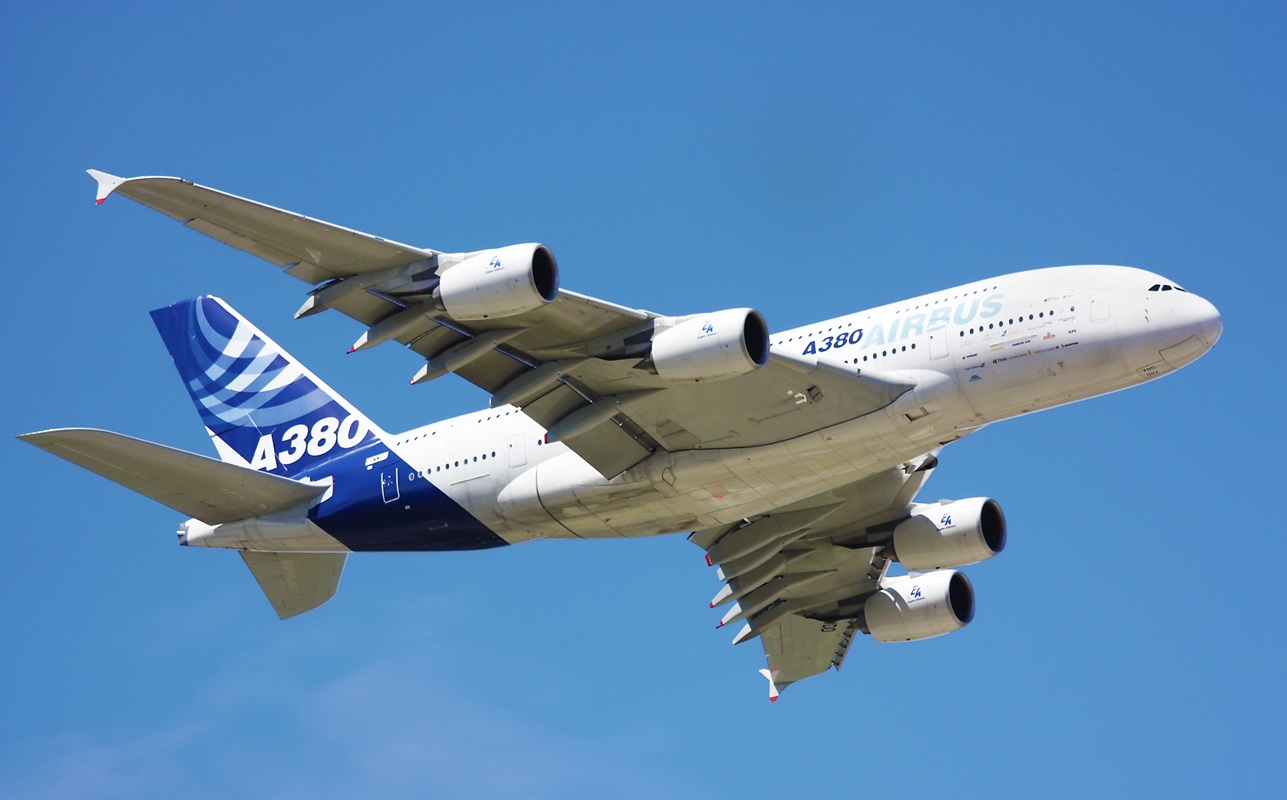 Credit: Photo by depositphotos.com[/caption]
According to Head of Fuel Cell Propulsion System for ZEROe, Hauke Peer-Luedders, the process is how Airbus discovers what changes are required to make the hydrogen aircraft technology “flight-worthy.”
“We measure how the propulsion system as a whole works by testing the power needed for several different flight phases, such as takeoff, where we are reaching maximum power levels, and cruising, when we use less power but over a longer period of time,” says Peer-Luedders.
Credit: Photo by depositphotos.com[/caption]
According to Head of Fuel Cell Propulsion System for ZEROe, Hauke Peer-Luedders, the process is how Airbus discovers what changes are required to make the hydrogen aircraft technology “flight-worthy.”
“We measure how the propulsion system as a whole works by testing the power needed for several different flight phases, such as takeoff, where we are reaching maximum power levels, and cruising, when we use less power but over a longer period of time,” says Peer-Luedders.
The first flight test is scheduled for 2026.
Airbus’ plan is to further test the propulsion capsule later in 2024, with the next step after that being for the ZEROe team to meet flight specifications by optimizing the propulsion system’s size, mass and qualifications. Among these qualifications include how the iron pod system responds to humidity, vibration and altitude. Once these tests are finished, the next phase will be to install the fuel cell propulsion systems on the ZEROe multimodal flight test platform. The systems will undergo ground testing before the critical phase of flight testing in the A380 hydrogen aircraft. This A380 with the MSN001 designator is the first Airbus has ever built. The initial flight test is slated for 2026. Ready to test your knowledge on the most abundant element in the universe? Take our fun and engaging Hydrogen Quiz now! [forminator_quiz id="58712"]How was this article?
Thanks for the feedback!