Hydrogen news
Is hydrogen combustion a viable clean electricity production method?
Some automakers have been tinkering with these H2 engines, should power plants? Automakers and industries aren’t the only polluters looking to decarbonize while giving hydrogen combustion some consideration. Utilities have been examining whether this could be a feasible opportunity for them as well. What have they found so far? The appeal of hydrogen combustion for utilities is to be able to burn it for a low-carbon or even carbon emission-free electricity generation opportunity. That said, it is not entirely clear whether this is the fuel source they have been looking for, or if H2 is best l…
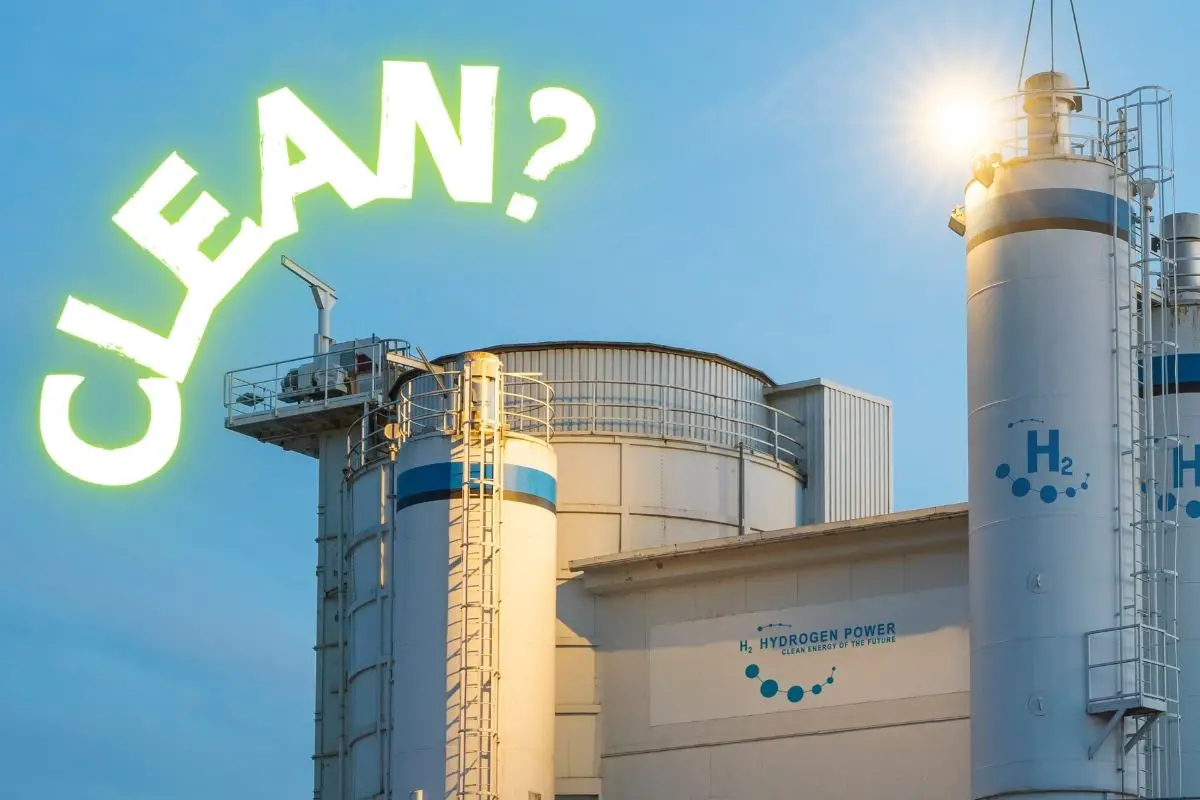
Some automakers have been tinkering with these H2 engines, should power plants?
Automakers and industries aren’t the only polluters looking to decarbonize while giving hydrogen combustion some consideration. Utilities have been examining whether this could be a feasible opportunity for them as well.What have they found so far?
The appeal of hydrogen combustion for utilities is to be able to burn it for a low-carbon or even carbon emission-free electricity generation opportunity. That said, it is not entirely clear whether this is the fuel source they have been looking for, or if H2 is best left to other industries that can use fuel cells or internal combustion engines (ICEs) in a different way. After all, while the overall concept may seem the same, burning H2 at the level required for reliable power generation to supply an electrical grid means looking at things on a much larger scale. Still, as the long-promised next generation of nuclear technology has yet to take off, and most sources of renewable energy prove unreliable (as solar is available only during the daytime and wind relies on air motion, etc.), H2 has continued to stand out as promising.Will hydrogen combustion beat out other existing and future technologies?
Many believe that one day, utilities will be able to use sources of power such as advanced geothermal energy, small modular nuclear technology, carbon capture and storage applied to natural gas (methane) burning plants, or even long-duration batteries that have yet to be developed. However, among all those strategies – including the use of H2 – there has yet to be a stand-out that will solve decarbonization problems while keeping up with energy demands.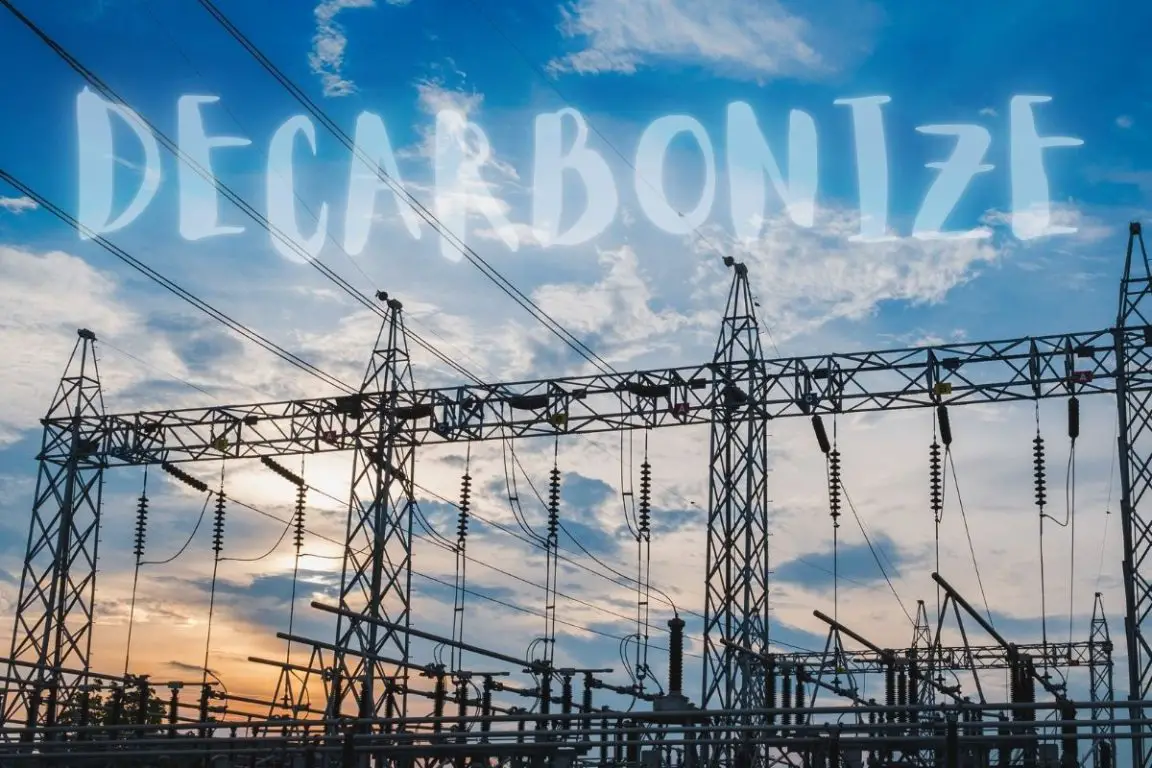 “Every utility should be thinking about how they’re going to meet demand as their grid shifts toward more intermittent resources and what sorts of clean, firm power they have in their mix,” said Clean Air Task Force director for zero-carbon fuels in the US, Emily Kent. “We don’t know what technologies will be available in the future, but for now it’s a gap that hydrogen could help fill.”
Choosing the right way to burn H2
While hydrogen combustion is relatively straightforward in concept, there are many different ways in which it can take place. Not all are as appealing as others. This includes the production of the H2 itself, which can be done cleanly, but that currently most commonly involves the use of natural gas and other fossil fuels. For the moment, utilities appear to be focused on narrowing down their options and perhaps combining them with each other in order to help reach their climate targets and keep up with demand.How was this article?
Thanks for the feedback!