Hydrogen news
Hydrogen engine design reaches “very significant milestone”…by students!
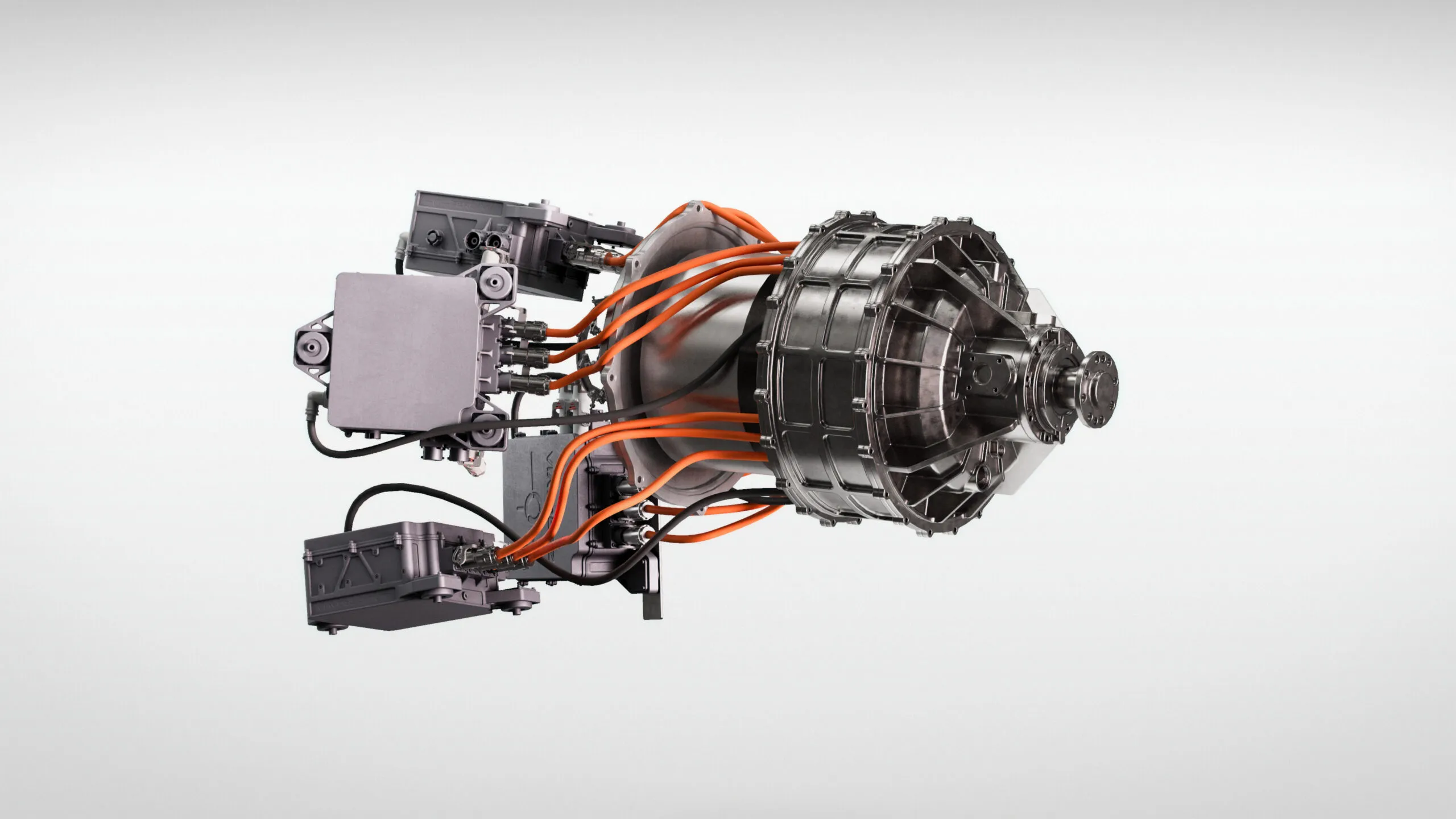
The students have built the prototype of the first-of-its-kind unit that is powered by H2 University of Bath engineering students have created and constructed a first-in-the-world hydrogen engine design in the form of a modified single-cylinder gasoline engine. The unit was specialized with new components to be able to use H2 The team used a specialized control unit and hydrogen-specific fuel injectors. With those components, the modified single-cylinder gasoline engine was reengineered for immediately successful operation. Until now, major automakers worldwide have struggled with internal c…
The students have built the prototype of the first-of-its-kind unit that is powered by H2
University of Bath engineering students have created and constructed a first-in-the-world hydrogen engine design in the form of a modified single-cylinder gasoline engine.The unit was specialized with new components to be able to use H2
The team used a specialized control unit and hydrogen-specific fuel injectors. With those components, the modified single-cylinder gasoline engine was reengineered for immediately successful operation. Until now, major automakers worldwide have struggled with internal combustion engines (ICE) powered by H2. This was the achievement that the students from the University of Bath were able to accomplish, and that could lead to a shift in sustainable power.Other hydrogen engine designs
It’s true that other companies have created their own H2 ICE designs. That said, they have all faced challenges. The designs have been a priority for many organizations as the world works to decarbonize, particularly in certain industries such as transportation. Unlike gasoline and diesel, H2 does not produce CO2 emissions when it is used as a fuel in fuel cells or ICE units.
As a result, H2 has become one of the most promising sources of sustainable clean fuel for, ground, air, and marine transport.
The designs have been a priority for many organizations as the world works to decarbonize, particularly in certain industries such as transportation. Unlike gasoline and diesel, H2 does not produce CO2 emissions when it is used as a fuel in fuel cells or ICE units.
As a result, H2 has become one of the most promising sources of sustainable clean fuel for, ground, air, and marine transport.
Getting started
“We started by reading all of the research and literature we could find, analyzing and cataloguing it all to understand it and prioritize what was possible for us to pull off, as a fairly small team,” said Samuel Ray, the team leader among the students who worked on this project. Among the primary challenges faced in previous designs had to do with being able to store enough H2 within the vehicle, as this fuel has a high energy density per unit of mass, but a low energy density per unit of volume. Therefore, to make it practical in any way, the issue of volume density needed to be overcome. To do so, the students were required to compress it, with the choice of keeping it as a gas under a very high pressure or as a liquid, which must be kept at minus 418 degrees Fahrenheit. They also needed to work on the design safely, doing all hydrogen engine tests outdoors with remote controls while they sheltered behind a protective panel. A major achievement, though still early on While the hydrogen engine design is unique and does function, the students were quick to point out that it remains an early build that will still need fine tuning before it is ready for any real-life use. “Getting the prototype engine running has been a very significant milestone in this project,” said the academic supervisor for the team, Dr. Kevin Robinson. “It's still early days, but we have completed about three hours of continuous operation so far, including several minutes at full load.”How was this article?
Thanks for the feedback!