Hydrogen Europe Ties Up with Latin America to Build Global Green Hydrogen Corridors
A new transatlantic pact between Hydrogen Europe and LAC Clean Hydrogen Action aims to build green hydrogen corridors linking Latin America to Europe, combining production muscle with massive demand. The deal targets ammonia shipping, certification tech, and workforce growth—putting global hydrogen trade into motion.
Europe’s hydrogen game just found a powerful partner across the Atlantic. At the World Hydrogen Summit 2025, Hydrogen Europe and LAC Clean Hydrogen Action signed an MoU that could fundamentally reshape the global clean energy landscape. The mission? Build fast, efficient green hydrogen trade routes between Latin America and Europe—what they're calling transatlantic green hydrogen corridors.
The Hook: Export Dreams Meet Import Demand
Europe's eyeing 10 million tonnes of green hydrogen by 2030—and it doesn’t want to make it all at home. Meanwhile, Latin America has what it takes to produce clean hydrogen for less than $1.50 per kilo, thanks to its killer combo of sun, wind, and land. This partnership sets both regions on a collision course with a cleaner, more connected energy economy and opens the door to a $300 billion export market for Latin America.
Core News Summary
This is a heavyweight alliance. Hydrogen Europe, which speaks for more than 600 members including big names like Siemens Energy and Iberdrola, is teaming up with LAC Clean Hydrogen Action, a coalition backed by the IDB and 15+ national hydrogen groups. They're not just talking trade—they’re planning joint certification systems, tech R&D focused on tropical electrolyzers and biomass H2 with CCS, plus a bold workforce strategy to train 50,000 hydrogen technicians by 2030.
What It Means
This is more than just a signature on paper. For Europe, it's a strategic push for energy security in the post-Russia era. For Latin America, it’s a shot at wealth, jobs, and clean energy leadership. The MoU addresses real bottlenecks—everything from hydrogen infrastructure gaps to workforce shortages—bringing both sides closer to making this energy transition actually work.
Strategic Angle
This agreement fits hand-in-glove with the EU’s Global Gateway Strategy, which has already earmarked $45 billion for infrastructure in Latin America. It also taps into established hydrogen ports—like Rotterdam, which plans to crank out 2 GW of electrolyzer capacity by 2030 and host major players like Shell Hydrogen. Think LNG infrastructure meets clean ammonia and hydrogen derivatives—that’s the corridor blueprint.
The Tech Play
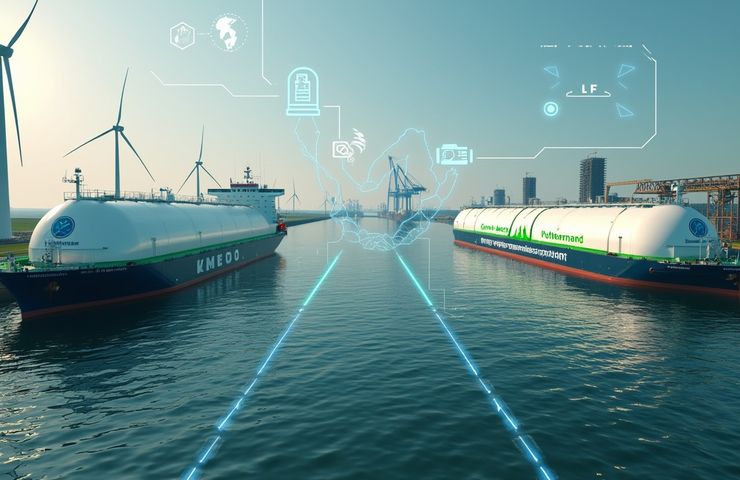
This time around, it’s not just about moving molecules—it’s about proving where they come from. The certification side is getting a high-tech upgrade with blockchain-based systems and RFID tagging to trace every kilojoule from LAC's renewables to Europe's industrial boilers. On the logistics end, Green Hydrogen Corridors will lean on tankers that can handle ammonia and liquid organic hydrogen carriers (LOHCs)—a fast-growing niche tech market that's gaining steam.
The Politics Underneath
Of course, the skeptics are watching. Some are calling out what feels like a new take on old habits—Latin America supplies the raw materials, while Europe cashes in on the industrial upside. The MoU tries to break that pattern by promising shared R&D and a collaborative workforce plan. Time will tell if this actually leads to balanced value-sharing—or just more lopsided growth.
Parallel Signals
This isn't a one-off. It’s riding the wave of growing transatlantic energy ties. Think of Chile’s green hydrogen shipment to Belgium in 2024 or Brazil’s H2Vital project with Germany. Governments on both sides are literally laying down pipelines under the banners of industrial decarbonization and energy security.
The Maverick Take
Let’s call it what it is—Europe’s fast-tracking its hydrogen revolution, and Latin America’s ready to be the producer. But the road from MoU to reality isn’t paved in smooth incentives. These plans will live or die by how willing investors are to take risks, how fast permits get sorted, and whether the right shipping and port infrastructure shows up in time. This isn’t some dreamy climate summit pledge—it’s a strategic energy play with a green twist.
Final Word
The global hydrogen production industry isn’t theory anymore. It has names, ports, tankers, and now—clear routes across the Atlantic. With this EU-LAC pact, the trades are officially open. The only question is: who’s going to move faster—governments, investors, or the cargo ships?