Hydrogen Fuel Cell Buses Arrive in Vienna to Power Zero-Emission Transit Future
Vienna debuts hydrogen fuel cell minibuses in 2025, integrating local green hydrogen production. Backed by EU and national funding, it’s a potential game-changer for sustainable urban transit.
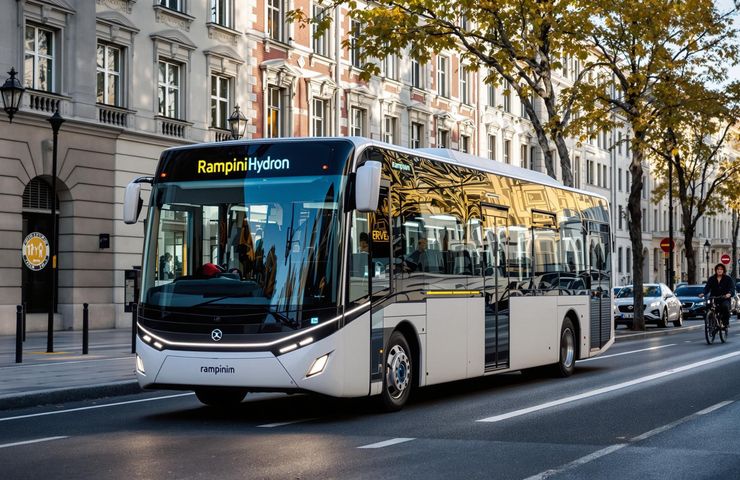
Vienna is gearing up to make some serious waves in clean urban transport. Starting in September 2025, ten brand-new hydrogen-powered minibuses from Italian manufacturer Rampini will hit the streets, rolling quietly along routes 2A and 3A. These aren’t just any routes—they cut right through the buzzing heart of the city, spots usually filled with tourists, café-goers, and, let’s face it, a fair bit of diesel exhaust.
But this move isn’t just about swapping one kind of bus for another. Vienna’s staking a claim in the future of sustainable energy and showing how smart policy, tech innovation, and clever infrastructure can actually work together to clean up our cities—without compromising on efficiency.
Vienna’s First Real Step into Hydrogen
This marks the city’s first full rollout of hydrogen buses for everyday public transport. Run by Wiener Linien, these minibuses are part of a bigger plan to cut emissions and improve air quality, all while proving that hydrogen fuel cell technology can run smoothly in the tough day-to-day environment of a bustling capital.
The eight-meter Rampini Hydron models come loaded with some serious tech: a 30 kW hydrogen fuel cell, a hearty 175 kWh lithium-titanate battery, and an electric motor pumping out 230 kW of power. That combination gives them up to 350 kilometers of range on a single refill—pretty impressive for city duty. Translation? They can get the job done without stopping to recharge, keeping things moving and passengers on time.
Why Hydrogen, and Why Now?
Sure, hydrogen buses aren’t exactly new. But getting them to work efficiently and reliably in a dense city like Vienna? That’s a different story.
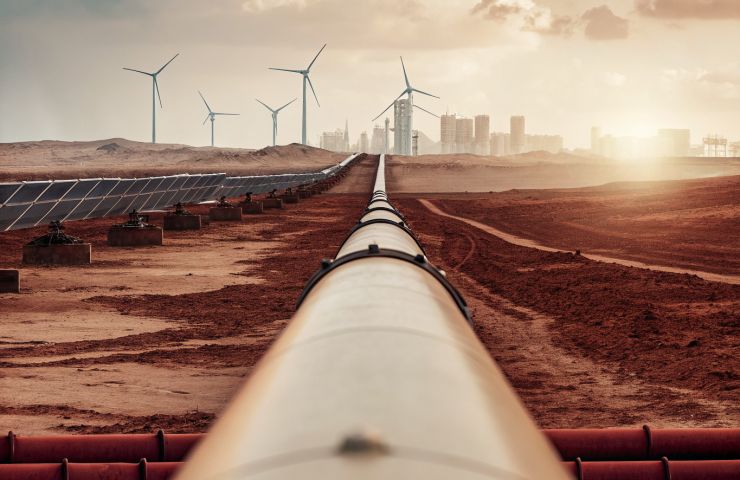
What gives this project real staying power is its tight link to green hydrogen. The fuel isn’t being trucked in from afar—it’s produced locally at a climate-neutral facility in Simmering, run by Wien Energie. From there, it flows through Wiener Netze’s existing infrastructure, keeping the whole supply chain lean and clean. That means zero emissions at the tailpipe—and barely any in the background, either.
And no, this isn't just some flashy trial to grab headlines. The €12 million investment is co-financed by the EU and Austria’s Federal Ministry for Innovation, Mobility and Infrastructure under the EBIN programme. It’s a carefully designed pilot that could serve as a launchpad for long-term hydrogen infrastructure—not just in Austria, but across Europe.
A Smarter Way to Operate
There’s a practical edge here, too. Battery-electric buses are great, but they still need time-consuming recharges and expensive charging stations, especially in inner-city areas. Hydrogen fuel cells, on the other hand, offer quick refueling and longer range. That’s why Wiener Linien is actually replacing twelve electric buses with just ten hydrogen ones on the same routes. Fewer buses, same impact. Now that’s efficiency.
Each minibus can carry up to 42 passengers and will glide through some of the city’s most iconic and congested areas—places where lower noise and emissions make a real difference. For Vienna, this shift to hydrogen isn’t just symbolic—it’s strategic.
Bigger Vision, Smaller Footprint
Zoom out a little, and Vienna’s move reflects a bigger change happening across Europe. Cities are moving beyond the lab-stage prototypes and bringing zero-emission technology straight to the streets. It’s all part of hitting EU Green Deal targets and national decarbonization milestones.
We’ve seen pilot projects pop up in France, Germany, and Scandinavia. But what sets Vienna apart is its fully connected approach—tying together production, distribution, and deployment into one tight-knit system. It’s more than a tech upgrade; it’s systems-level thinking. Eyes across Europe—from city planners to climate strategists—will be watching to see how this one unfolds.
And if it clicks? These ten hydrogen minibuses could become more than just a cleaner ride through the city—they could lay the groundwork for flexible, scalable transit across the continent.
A Glimpse of What’s Next
There’s no magic bullet when it comes to revolutionizing public transport. But Vienna’s stepping up with a smart, integrated plan that makes the most of green hydrogen, trusted partners like Rampini, and the right kind of policy support.
It’s not just about this one fleet—it’s about proving a point. When clean energy technology, funding, and urban planning all click into place, you don’t just get lower emissions. You get a model that works. Call it a test run, a bold step, or just a really well-executed plan—but make no mistake, it’s one more giant leap toward a sustainable energy future in transport that Europe can actually build on.