Hydrogen Fuel Cell Buses Roll Out in Surrey’s Clean Transport Overhaul
Surrey rolls out 34 hydrogen buses, stepping up the UK’s zero-emission goals. With Wrightbus tech and Metrobus ops, it’s a clean, quiet shift — but the infrastructure race is just starting.
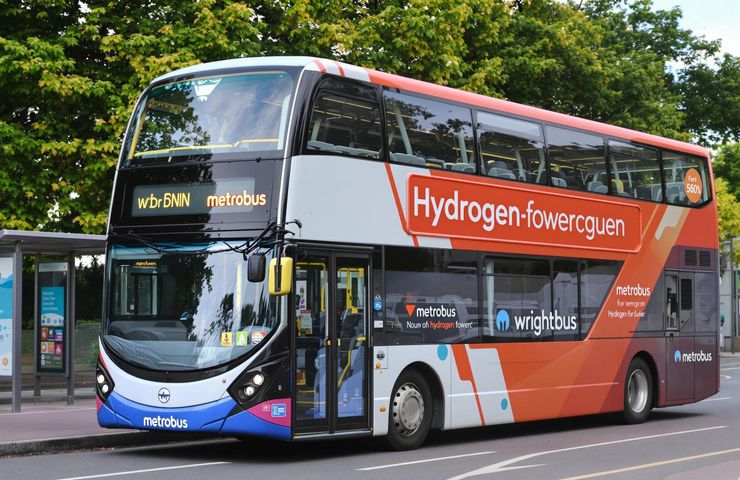
Surrey, UK – April 10, 2025 — There’s a big shift happening on the streets of Surrey. A fleet of 34 hydrogen fuel cell buses just rolled out, turning climate goals into real-world action — and commuters are already catching the ride.
Hydrogen Buses Hit the Ground Running
This isn’t a test run or a flashy prototype. It’s the real deal. Backed by £1.7 million from the Department for Transport (DfT), Surrey County Council is making a bold move by integrating these zero-emission buses into some of the region’s busiest routes — think Gatwick, Redhill, Reigate, Epsom, and Horley-Crawley. Built by Wrightbus and run by Metrobus, these buses are built to handle serious daily traffic, cutting pollution one stop at a time.
Big Gains, Zero Emissions
This single deployment is expected to slash 112,000 tonnes of CO₂ over the fleet’s lifetime. That’s huge. Cleaner air, less noise, and a quieter, greener commute — but even more important, it proves Surrey’s not just talking about zero-emission technology. They’re doing it.
Hydrogen’s Hidden Challenge
The spotlight may be on the buses, but here’s the catch: hydrogen fuel cells rely on more than just good engineering. A whole ecosystem needs to be in place — fuel supply chains, refueling stations, trained mechanics, and reliable grid access. For now, green hydrogen is being supplied via centralized hubs. Down the road, the focus will shift to more local, decentralized fueling options. That’s when things really scale.
Beyond Eco-Friendly — It’s Strategic
Yes, this move helps the environment. But make no mistake: it's also a play for leadership. Surrey’s gearing up as a clean transport innovation hub. And it's not just the hydrogen buses — they’re rolling out demand-responsive minibuses, smart passenger info systems, and giving buses priority lanes. This isn’t a nice-to-have — it’s a full-blown mobility strategy.
Wrightbus Makes Its Move
As for Wrightbus, this isn’t just another sale. Their bet on zero-emission technology is paying off. Their hydrogen models charge quickly, have long range, and come with solid service support. Each launch, like this one, becomes a billboard for international cities scouting serious sustainable energy solutions.
Surrey’s Got Momentum
Plenty of hydrogen projects have stumbled — supply chain snags, slow municipal response, you name it. Remember the Aberdeen delays back in 2021? Not here. Surrey’s getting it right, thanks to strong coordination between the council, Wrightbus, and Metrobus. Everyone’s aligned — and it shows.
No Lab Required
If hydrogen infrastructure is going to scale, it won’t happen in sterile test labs. It’s going to happen where people live, work, and ride. Streets like Surrey’s are where it all takes off. Sure, costs are still high, and the fuel supply can be shaky — but this is how progress looks: imperfect, but in motion. And when a high-traffic county like Surrey commits, others start reevaluating their own timelines.
End of the Line? Hardly.
If Surrey can make green hydrogen work for everyday routes, what’s stopping other UK cities from doing the same? The setup may not be perfect today — but the direction is locked in. This isn’t just a trial run. This is policy-powered transformation, hitting the road with real traction. Keep your eyes on this route — it’s just getting started.