Hydrogen Fuel Cell Milestone: PowerCell’s Marine System 225 Earns Lloyd’s Register Type Approval
PowerCell’s Marine System 225 is now Type Approved by Lloyd’s Register, marking a breakthrough for hydrogen fuel cell technology in the maritime sector. The 225 kW system enables zero-emission propulsion, paving the way toward decarbonized shipping.
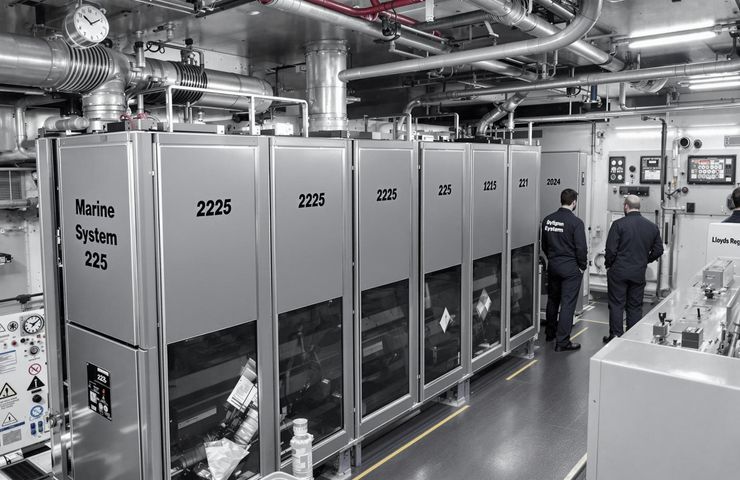
PowerCell Group just hit a big milestone in the world of clean marine energy. On June 23, 2025, the Swedish hydrogen fuel cell company announced that its Marine System 225 has officially received Type Approval from Lloyd’s Register—one of the most trusted names in maritime certification.
Why This Matters for Hydrogen-Powered Shipping
Getting Type Approval means the Marine System 225 meets strict international safety and performance standards, clearing the way for it to be used on ships across the globe. This is huge for hydrogen fuel cells in the shipping industry, which is under increasing pressure to cut emissions and stay ahead of tightening environmental regulations.
Built with marine conditions in mind, this zero-emission system is a compact, 225 kW hydrogen fuel cell that can take the place of traditional diesel or heavy fuel oil engines. It emits nothing but water vapor and is designed to slot easily into both retrofitted vessels and brand-new builds.
Climate Goals Are Driving the Momentum
This stamp of approval couldn't come at a more critical time. The shipping sector is working to meet aggressive carbon-reduction deadlines set by the International Maritime Organization (IMO) for 2030 and 2050. Meanwhile, Europe’s Fit for 55 policy package is already pushing the industry toward cleaner alternatives.
With Lloyd’s Register's green light, shipowners now have one less roadblock on their decarbonization journey. The approval supports the Marine System 225’s safety, reliability, and engineering quality—making hydrogen fuel cells a more realistic option for commercial shipping fleets.
Breaking Down the Marine System 225
Here’s how it works: hydrogen and air are combined within stacks to generate electricity through a chemical reaction. There’s no combustion involved—just clean power and water vapor.
- Modular Design: You can scale multiple units together to reach megawatt-level output.
- Flexible Installation: Whether it’s an older ship or a brand-new build, it’s made to fit.
- Future-Ready: It’s built to work with reformed renewables, meaning it can adapt as the hydrogen infrastructure evolves.
This system builds on PowerCell’s earlier Marine System 200, which was already used in Norway’s pioneering hydrogen ferry projects—the first real-world examples of how hydrogen can power vessels at sea.
What’s Next for Hydrogen at Sea?
Now that the Marine System 225 has the green light, PowerCell is ready to scale up its presence on the water. But the big hurdles aren’t just technical—they’re practical. Think green hydrogen supply chains, portside refueling stations, and the big up-front costs that come with overhauling fleets.
This Type Approval is a major confidence boost, but mainstream adoption still depends on things like financial incentives, reliable fuel access, and how much risk operators are willing to take. Still, one thing’s clear: hydrogen fuel cells are no longer just a “future idea” in marine shipping—they’re officially on the radar.
Beyond Emissions: Extra Benefits on the Horizon
There’s a ripple effect that comes with switching to zero-emission technology like the Marine System 225. Here’s what broader adoption could also bring:
- Cleaner air and quieter ports for communities living near harbors
- Lower maintenance costs due to fewer moving parts in hydrogen fuel cell systems
- A boost to hydrogen infrastructure in coastal regions, speeding up green energy adoption
- Faster retirement of diesel engines as cleaner options become more viable
That said, the future still hinges on the economics. Hydrogen production and storage need to hit the right price points. The technology is ready—the question is how quickly it can scale while staying competitive.
Zooming Out: A Turning Point for Clean Shipping
The ocean is shaping up to be the next big climate battleground. And milestones like this one show that the shipping industry is starting to pivot. The PowerCell Marine System 225 isn’t just another piece of tech—it’s a real signal that clean, sustainable energy is making waves in a traditionally diesel-dominated space.
With mounting policy pressure and early adopters setting the pace, it’s not a stretch to imagine systems like this becoming standard equipment—not just a futuristic idea locked in pilot programs.
About PowerCell Group
PowerCell Group, based in Sweden, is a leader in hydrogen fuel cell technology. Founded as a spin-off from Volvo Group in 2008, the company creates zero-emission systems for everything from vehicles and stationary power to cutting-edge marine applications.