Hydrogen Fuel Cell Trucks Drive Decarbonization—but Only If Safety Keeps Pace
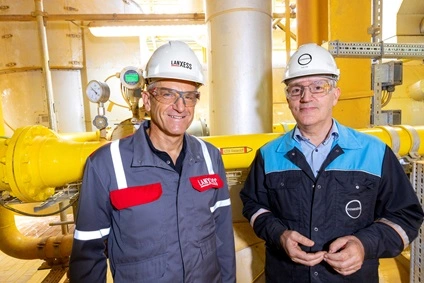
German firm FAUN Umwelttechnik leads the charge in deploying hydrogen fuel cell trucks, but with hydrogen’s volatility, safety takes center stage. Their solution: a multi-layered gas detection system powered by Dräger.
The hydrogen fuel cell movement in heavy-duty trucking isn’t some far-off dream—it’s already happening, especially in places like Europe and California. But as more companies jump on board with fuel cell electric vehicles (FCEVs), the conversation isn’t just about when hydrogen will cost the same as diesel. The bigger question is: how do we make sure it’s safe?
Hydrogen has a lot going for it, but let’s not sugarcoat it—it’s tricky. It’s super flammable, can’t be seen or smelled, and behaves a lot differently than fuels we’re used to, like diesel or natural gas. And as early movers like FAUN Umwelttechnik have figured out, making the switch to zero-emission technology also means building new safety systems from the ground up.
Leading the Way—with Safety First
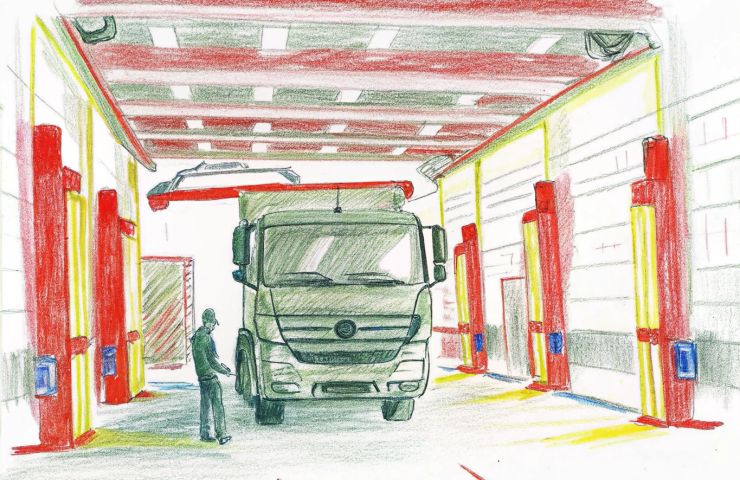
FAUN Umwelttechnik, a German company known for its waste collection and street-sweeping vehicles, was quick to roll out hydrogen FCEV trucks. But they didn’t stop at just getting cleaner engines. They completely revamped their garages to handle hydrogen’s unique risks. Teaming up with safety equipment giant Dräger, FAUN has put in place a multi-layered approach that covers every base—from sensors on the ceiling to detectors worn by staff.
Before any truck rolls into a bay, technicians use telescopic probes to check for leaks—every time. It might sound like overkill, but when you realize that nearly 30% of all hydrogen-related incidents up to 2021 were caused by user error (according to the European Hydrogen Safety Panel), it becomes clear: you can’t cut corners on safety when dealing with hydrogen.
Smart Safety Tech Has Entered the Chat
The gear FAUN’s using isn’t just high-tech, it’s purpose-built to tackle hydrogen’s quirks. Here’s what’s running the show:
- Ultrasonic Gas Leak Detection (UGLD) picks up the sound of high-pressure hydrogen escaping—even in noisy outdoor environments where traditional sensors might miss it.
- Hydrogen-specific flame detectors are designed to catch flames that would otherwise be invisible in daylight.
- Point gas detectors read hydrogen levels in the air and report them using LEL (Lower Explosive Limit) values—critical if you’re working in tight spaces.
With Dräger’s X-am personal detectors and PEX 3000 sensors backing them up, FAUN has turned their workshops into cutting-edge, hydrogen-safe zones.
Not All Trucks Are Created Equal
Let’s be real—hydrogen fuel cell trucks aren’t here to replace battery-electrics across the board. But for certain jobs, especially the big ones like long-haul trucking, they just make more sense. Batteries can’t compete when it comes to range and fast refueling. According to the UC Davis Institute for Transportation, by 2045, California could see hydrogen trucks handling 35% of drayage trips and around 60% of long-haul routes. That’s huge.
Why? Because hydrogen trucks can refill in 15 to 20 minutes, and they pull similar payloads to diesel rigs. In logistics, uptime is everything—and that operational edge can be just as important as a sustainable energy label.
The Price Tag Problem
Here’s the catch—fuel cell technology isn’t cheap. Not yet, anyway. Trucks cost more upfront, and the fuel isn't exactly wallet-friendly either. The Clean Air Task Force says hydrogen needs to hit around $4–$5 per kilogram to make it competitive with diesel at $3–$4 per gallon. And don’t even get us started on the fueling network—while it’s growing, it’s still got gaps in both coverage and reliability.
So, safety matters outside the vehicle, too. The hydrogen infrastructure—how it’s made, transported, and delivered—has to be dialed in. Thanks to tools like the Hydrogen Incidents and Accidents Database (HIAD), the industry is gaining better insight into what went wrong in the past so we can avoid repeating it. But hitting rollout deadlines won’t mean much if safety, training, and infrastructure don’t keep pace.
Bigger Than Technology
This isn’t just a tech race—it’s a trust game. Trust in the fuel itself, in the systems that distribute it, and in the companies developing it. From Toyota’s game-changing Mirai launch in 2014 to the integration of hydrogen into national decarbonization goals, the momentum is real. But it won’t truly take off unless people believe it’s safe—and practical—for everyday use.
Companies like FAUN are showing how hydrogen fuel cells can work in real-world fleets, not just in controlled lab settings or corporate press releases. When safety, training, and zero-emission technology all move forward together, we’re not just creating cleaner trucks—we're building an entire sustainable energy ecosystem.