Hydrogen Fuel Cells Breakthrough: DGIST’s Platinum-Calcium Alloy Catalyst Exceeds DOE 2025 Targets
DGIST’s team led by Professor Jong-sung Yu developed a platinum-calcium alloy core-shell catalyst that beats DOE 2025 targets for hydrogen fuel cells, promising lower costs and enhanced durability.
Imagine a world where hydrogen fuel cells are so efficient and tough they leave every previous benchmark in the dust. That's exactly what a team at DGIST pulled off under the watchful eye of Professor Jong-sung Yu. They cooked up a platinum-calcium alloy core-shell nanoparticle catalyst that's not just more efficient but also outlasts anything out there—besting the U.S. Department of Energy’s 2025 durability and performance targets. It’s a real game-changer for sustainable energy and could reshape how we think about power on the road and in our homes.
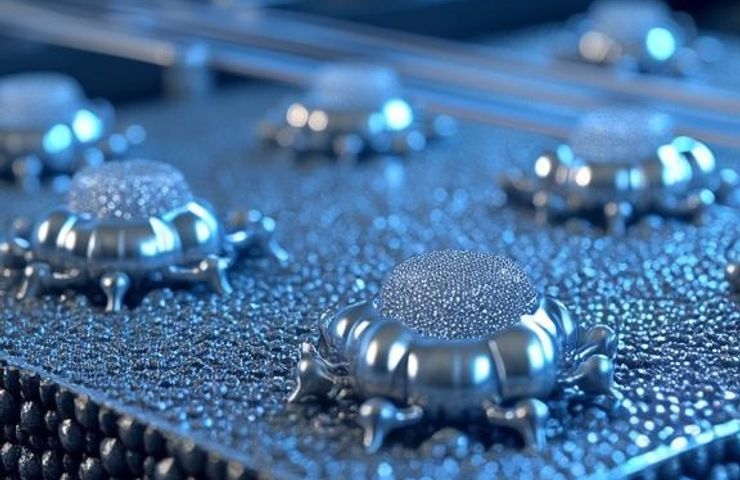
The researchers at the Daegu Gyeongbuk Institute of Science and Technology finally let the cat out of the bag. Using a liquid-phase core-shell method on carbon supports, they built a catalyst with a calcium-packed core wrapped in a platinum shell. Think of it as calcium for stability and platinum for power. In plain English, that means this catalyst outperforms its predecessors at nearly every turn. Lab tests show:
- Mass activity and durability exceeding DOE 2025 goals by over 20%
- A 40% cut in platinum usage, shaving down raw-material costs
- Over 90% performance retention after 30,000 accelerated stress cycles
This is a huge leap compared to older hydrogen fuel cells that wimped out far earlier during stress testing. These gains could supercharge the mainstream rollout of zero-emission vehicles and stationary power units, giving green hydrogen initiatives and the broader sustainable energy movement a serious boost. Plus, this catalyst isn’t just for cars—it could juice up backup generators, remote installations, and other stationary power setups.
Technical Insight
The real magic happens in the way atoms line up. That liquid-phase core-shell synthesis corrals calcium in the middle and drapes platinum on the outside, creating a structure that—by fine-tuning atomic layout—opens a new chapter in fuel cell technology. This configuration:
- Speeds up oxygen reduction reaction (ORR) kinetics by optimizing platinum surface sites
- Prevents platinum from dissolving or clumping under high-voltage conditions
- Plays nicely with scalable, high-surface-area carbon supports
Meanwhile, colleagues at the University of Duisburg-Essen ran density functional theory simulations that confirmed the alloy’s top-notch binding energies and long-term stability. Their work even landed in Small.
Business and Strategic Angle
If you’ve chased after fuel cell technology, you know platinum’s price tag and fickle nature have been major roadblocks. By cutting platinum requirements nearly in half and cranking up durability, this new approach promises to:
- Slash system capital expenses by 15–20%
- Drive down total cost of ownership (TCO) for hydrogen fuel cell vehicles
- Bolster plans for scalable hydrogen infrastructure
That kind of savings could translate to more affordable fuel cell systems for fleets and consumers, edging fuel cell electric vehicles closer to the masses. Funded by the National Research Foundation of Korea’s Mid-career Researcher Program, this R&D sits at the crossroads of national decarbonization policies and global energy security strategies. Considering the push for net-zero targets and expanding green hydrogen markets, these numbers could get even more compelling. As Professor Yu says, “This catalyst bridges the gap between lab results and real-world demands, taking hydrogen vehicles and power systems closer to cost parity.”
Context and Collaboration
DGIST has been a powerhouse in advanced energy materials since 2004. Nestled in a government-backed R&D cluster in Daegu, it’s a hub where local talent transforms the city’s industrial roots into high-tech prowess. DGIST sits in Daegu’s blossoming innovation district, surrounded by startups, big industry players, and bustling R&D hubs—all primed to fast-track breakthroughs like this one. Teaming up with Germany’s University of Duisburg-Essen highlights a global push to tackle core materials challenges. Peer review by Small and a spotlight on EurekAlert? Check and check—these findings are solid.
Perspective and Forward Look
Lab results are one thing, but scaling up is another beast. With global fuel cell vehicle sales set to ramp up, nailing these scale-up challenges is more than a technical hurdle—it’s a crucial step toward energy independence and grid resilience. As nations beef up their hydrogen infrastructure, having a rugged, long-lasting catalyst is going to be key to hitting zero-emission energy goals. The big questions now are:
- Can industrial reactors reliably reproduce that core-shell structure?
- How will calcium sourcing and lifecycle impacts shape the supply chain?
- What market drivers or regulations will speed adoption?
Answering these will determine if this breakthrough truly underpins the next chapter of green hydrogen and hydrogen infrastructure. One thing’s clear: we’re closer than ever to seeing fuel cell electric vehicles go toe-to-toe with internal combustion engines on cost and performance.
As the clean energy transition accelerates, breakthroughs like DGIST’s platinum-calcium catalyst are exactly what will turn the promise of hydrogen fuel cells into everyday reality.