Hydrogen Infrastructure Expands Across Europe, Korea, and the U.S. with New Liquefaction, Electrolysis, and Ammonia Cracking Projects
Global hydrogen infrastructure accelerates with new plants in Scotland, France, Korea, and Louisiana, showcasing real-world progress in production, ammonia cracking, liquefaction, and exploration tech.
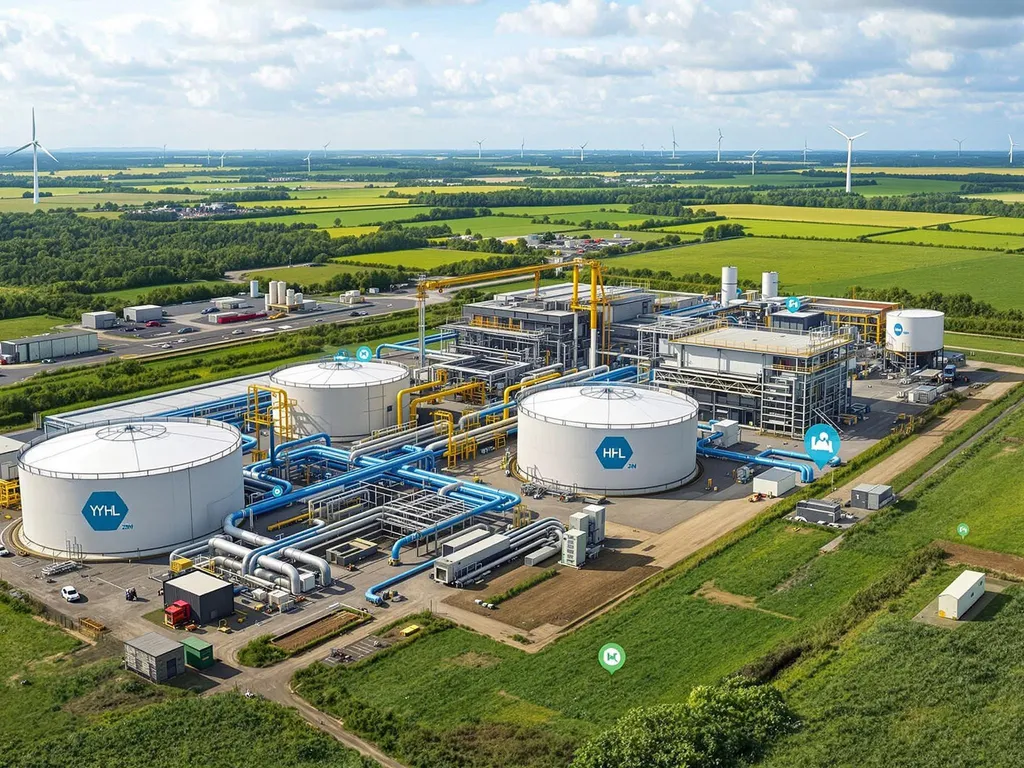
The global hydrogen and ammonia industry isn’t just talking about progress anymore—it’s making it happen. From Europe to Asia to North America, new projects are breaking ground, securing funding, and rolling out tech that was once just theoretical. In just the past few weeks, we’ve seen everything from grassroots pushback to multimillion-euro investments that show this energy revolution is shifting out of neutral and into gear.
Storegga’s Hydrogen Plant Clears Major Hurdle in Aberdeenshire
Up in Scotland, Storegga just got the green light (well, a strong recommendation for it) for its hydrogen production facility near Kintore, thanks to Aberdeenshire Council. The spot sits in a traditionally agricultural area about 15 miles from Aberdeen, and yeah—it’s got locals talking. Some residents are concerned about the plant’s environmental impact and how close it is to their homes. Still, this move is part of Scotland’s broader push to get serious about low-carbon hydrogen infrastructure in a region long tied to fossil fuels.
Storegga’s no stranger to the decarbonization game—they’ve already played a big role in the UK’s Carbon Capture, Utilization and Storage (CCUS) space. This new facility at Kintore is set to use renewable energy to generate green hydrogen, which could become a key piece in the puzzle of industrial decarbonization for the region.
France Commits €149M to Lead in Green Hydrogen
Meanwhile, over in France, the government is putting its money where its mouth is—dropping a solid €149 million into a new green hydrogen production project. They haven’t said exactly where the plant will be located yet, but one thing’s clear: France, like its neighbors Germany and the Netherlands, is all-in on clean hydrogen as a cornerstone of its net-zero future. This kind of financial backing shows that in Europe’s eyes, sustainable hydrogen isn’t just worth supporting—it’s essential.
Hanwha Picks KBR’s Ammonia Cracking Technology in South Korea
Across the globe in South Korea, Hanwha is doubling down on ammonia’s potential by teaming up with KBR to use its tried-and-tested ammonia cracking technology. The project’s location is still under wraps, but it’s part of a growing Asian shift toward using ammonia as a hydrogen carrier. This follows Hanwha’s recent $300 million investment in U.S. electrolyzer startup Hysata.
Converting ammonia back into hydrogen at the destination makes long-distance transport a whole lot easier and more efficient. And with veterans like KBR—who’ve been in the engineering game since 1919—jumping in, the confidence in scaling up complex hydrogen conversion infrastructure is clearly growing.
Plug Power and Olin Launch Hydrogen Liquefaction Facility in Louisiana
Back in the U.S., Plug Power and Olin Corp just flipped the switch on a new hydrogen liquefaction facility in Louisiana. This plant uses both electrolysis and more traditional hydrogen sources (like steam methane reforming) to ramp up production and strengthen the local supply chain—key for getting hydrogen production where it needs to go.
Even though the demand for hydrogen is still picking up across sectors like energy, transport, and heavy industry, hydrogen liquefaction is already proving to be a must-have for reliable distribution. This plant is positioned to serve both domestic and international clients, adding real-world capacity to what’s often been a paper-driven market.
Hidrogenii Steps Up with New 15-Ton-Per-Day Liquefaction Plant
Also in Louisiana, another piece of the puzzle is falling into place. Hidrogenii is launching a 15 TPD hydrogen liquefaction plant, which—while smaller than some megaprojects—plays a big role in creating a more flexible and decentralized hydrogen logistics network. The U.S. Gulf Coast, with its deep industrial roots and energy infrastructure, is quickly becoming a hotbed for this kind of progress.
Australia’s Mantle8 Goes Underground with Hydrogen Prospecting
Meanwhile, down under, tech startup Mantle8 is exploring an exciting frontier—literally. They’ve successfully tested a new type of soil gas survey technology—borrowed from oil and gas exploration—to hunt for naturally occurring underground hydrogen deposits. It's still early days, but the concept of tapping into “geologic hydrogen” could eventually give green and blue hydrogen a run for their money when it comes to cost and scale.
What It All Means
All these developments tell the same story: the future of hydrogen isn’t on hold—it’s under construction. Whether it’s green hydrogen production, ammonia cracking, hydrogen liquefaction, or even subsurface hydrogen exploration, the pieces are coming together.
Big announcements and bold climate goals are great—but without real-world assets being built, they don’t count for much. These projects are turning promises into progress, putting policy plans into practice, and laying the groundwork for a cleaner energy future.
There’s still a lot to watch—like how fast this infrastructure can scale and whether public opposition or economic bumps slow down the momentum. But if this past week is any indication, one thing’s for sure: hydrogen infrastructure isn’t just an idea. It’s becoming reality.