Hydrogen Production in Czechia Faces EU Regulatory Wall Despite National Efforts
Czechia's hydrogen ambitions face regulatory headwinds as EU rules threaten to halt commercial green hydrogen production. Despite national support and pilot projects like Solar Global’s, key industry players warn current EU standards are unattainable without reform.
Summary
Czechia’s push into green hydrogen is facing a tough challenge. Even though the country’s rolled out a national Hydrogen Strategy and kicked off its first commercial hydrogen plant, industry leaders say strict EU rules could slam the brakes on any real progress toward scaling up hydrogen production.
Market Impact: Strategy vs. Regulation
Back in July 2024, the Czech government gave the green light to a new Hydrogen Strategy, complete with clear goals and financial backing — including €120 million from the EU’s Modernisation Fund to fuel pilot projects across the country. But according to Veronika Vohlídková, Executive Director at HYTEP (the Czech Hydrogen Technology Platform), the effort might still fall flat without some breathing room from Brussels.
The problem is rooted in the European Commission’s 2023 Delegated Acts. These rules are supposed to define what counts as ‘renewable’ hydrogen, but they come with strict criteria. We're talking about matching hydrogen production with renewable electricity in timing and location, among other things. Right now, most pilot projects in Czechia just aren’t equipped to meet those standards.
“If something doesn’t change, Czechia won’t have any renewable hydrogen at all,” Vohlídková told CE Energy News. She and other industry voices are calling on the EU to show more flexibility for countries still transitioning away from fossil fuels.
Pilot Momentum in Post-Coal Regions
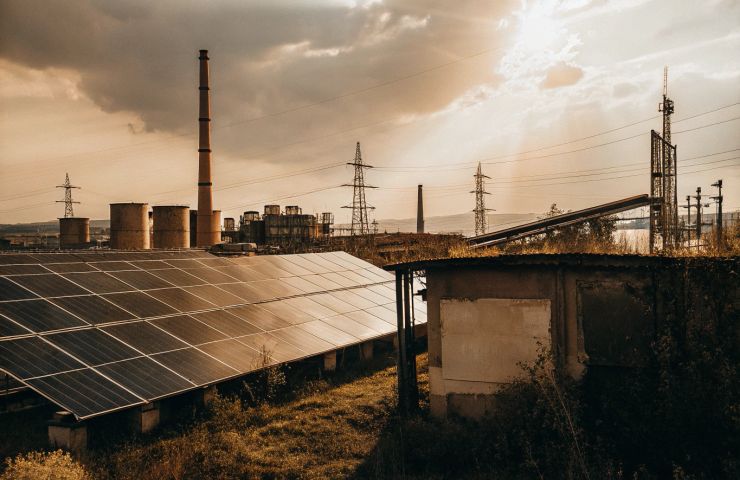
Despite the headwinds, things are moving on the ground. Solar Global has fired up the country’s first commercial-scale green hydrogen plant in Napajedla, in the Zlín region. Powered by solar arrays and cutting-edge electrolysers, the plant is blazing a trail others hope to follow.
There’s growing momentum in the country’s former coal regions too — areas like Ústí nad Labem and Moravian-Silesian. These communities are leaning into sustainable energy technologies in hopes of reinventing their local economies. Alongside hydrogen, battery storage is playing a key supporting role, helping to balance solar electricity and enable round-the-clock electrolysis operations for hydrogen generation.
Key Takeaways
- EU rules call for Czechia to produce 20,000 tonnes of renewable hydrogen every year by 2030. Industry experts say that’s out of reach unless regulations are adjusted.
- The national rollout is designed in three phases — starting small with pilots, then scaling up to full-blown international hydrogen corridors.
- If EU deadlines remain rigid, old coal towns could be stuck with empty promises — stranded assets, missed emissions goals, and stalled local economies.
- According to HYTEP, the existing support programs just don't cover the steep costs and technical hoops that come with complying under current EU guidelines.
Expert Viewpoint
HYTEP, along with partners like Solar Global and several regional governments, are urging EU policymakers to take local realities into account. They argue that one-size-fits-all rules just don’t work in places where hydrogen production is still in its infancy.
“We’re not asking for a free pass,” said Vohlídková. “We’re asking the EU to recognize that early-stage green hydrogen markets like ours need some tailored support — otherwise, the math just doesn’t work.”
Looking Ahead
Talks are heating up in EU energy circles, and Czechia isn’t going it alone. The country’s teaming up with other Central and Eastern European nations to push for reasonable exemptions and realistic timelines.
The next year or so will be make-or-break. It’ll either set the stage for hydrogen to become a real driver of industrial decarbonization in Czechia — or it’ll leave the country stuck waiting on the sidelines of the sustainable energy transition.