Hydrogen news
Could metal waste be the alternative hydrogen production catalyst the industry needs?
Scientists from the UK propose repurposing metal waste into an efficient catalyst for H2. Clean and efficient hydrogen production doesn’t come cheap. What’s more, conventional methods also lack sustainability. The simple reason is that to generate hydrogen from water, the process requires a stable catalyst. The most reliable are expensive precious metals like platinum. However, a team of scientists from the University of Nottingham’s School of Chemistry and Faculty of Engineering may have found a solution – repurposed metal waste. The researchers discovered the potential of swarf. The team of…
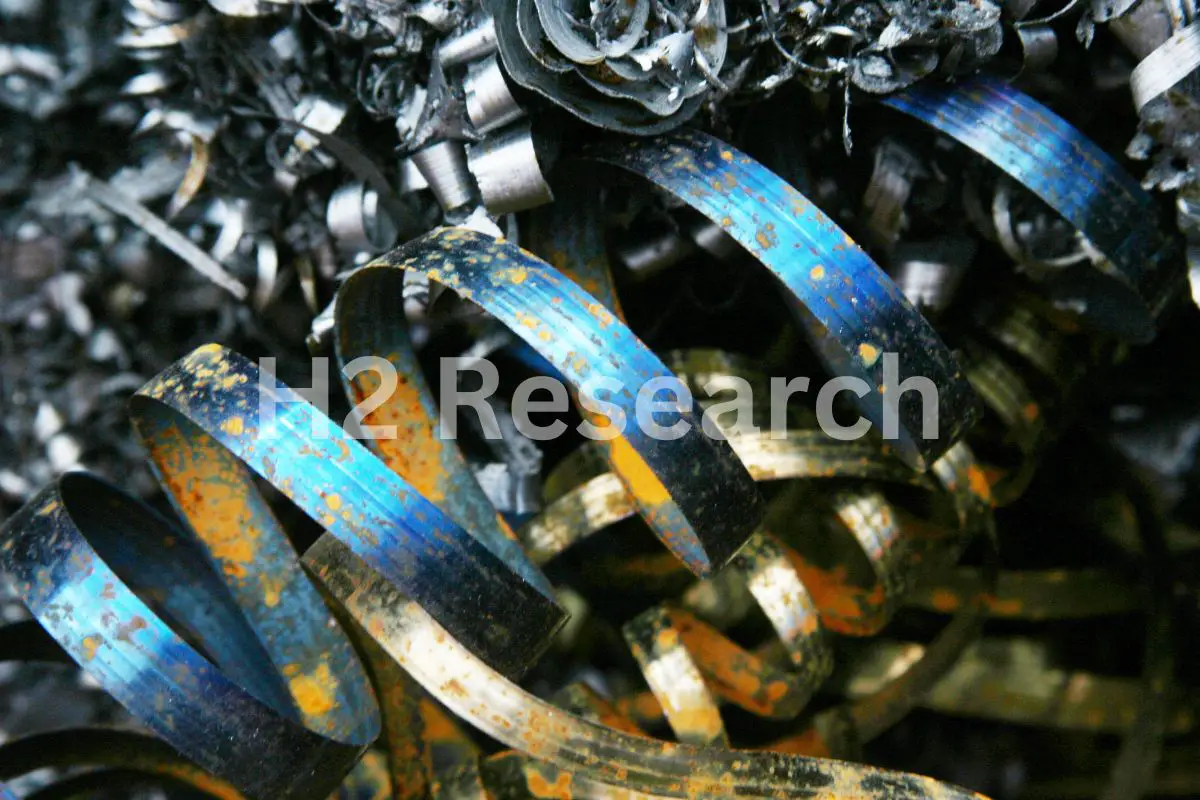
Scientists from the UK propose repurposing metal waste into an efficient catalyst for H2.
Clean and efficient hydrogen production doesn’t come cheap. What’s more, conventional methods also lack sustainability. The simple reason is that to generate hydrogen from water, the process requires a stable catalyst. The most reliable are expensive precious metals like platinum. However, a team of scientists from the University of Nottingham’s School of Chemistry and Faculty of Engineering may have found a solution – repurposed metal waste.The researchers discovered the potential of swarf.
The team of scientists, led by Dr. Jesum Alves Fernandes, developed a way to convert metal waste into a catalyst that results in hydrogen production from water. How? The scientists discovered that the surface of a metal machining industry byproduct is textured in tiny steps and grooves on a nanoscale level. This byproduct is known as swarf. Frenandes explained that by utilizing a scanning electron microscope, the researchers were able to examine what appeared to be smooth surfaces of the titanium, stainless steel, or nickel alloy swarf. To their surprise, they found that the surfaces were not smooth at all but had “grooves and ridges that were only tens of nanometers wide.” They then realized that this “nanotextured surface could present a unique opportunity for the fabrication of electrocatalysts,” Frenandes stated.Hydrogen production with the help of magnetron.
The scientists deposited platinum atoms onto the surface of the metal waste with the help of Magnetron. This process created a “rain” of platinum atoms on the swarf surface. This assembled into nanoparticles that fit perfectly into the tiny grooves on the waste metal surface.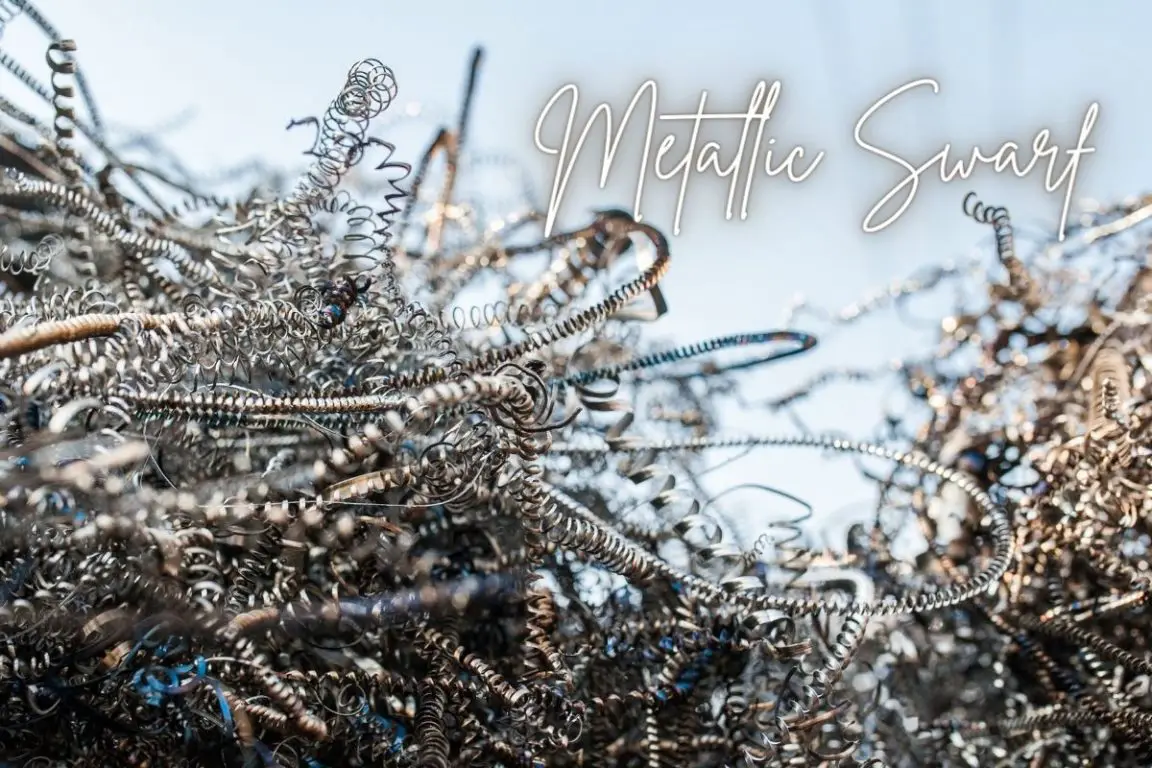 The result – according to Dr. Madasamy Thangamuthu – is hydrogen production from water using only a tenth of the amount of platinum loading that is used by today’s state-of-the art commercial catalysts.
Thangamuthu, postdoctoral researcher at the University of Nottingham, said that the electrolyzers work with 100% efficiency and “produces 0.5 liters of hydrogen gas per minute just from a single piece of swarf.”
The result – according to Dr. Madasamy Thangamuthu – is hydrogen production from water using only a tenth of the amount of platinum loading that is used by today’s state-of-the art commercial catalysts.
Thangamuthu, postdoctoral researcher at the University of Nottingham, said that the electrolyzers work with 100% efficiency and “produces 0.5 liters of hydrogen gas per minute just from a single piece of swarf.”
Cost efficient and sustainable, but is metal waste the answer?
Like most hydrogen production research, only time will tell just how effective this metal waste catalyst will be as an alternative to traditional hydrogen generation methods involving platinum. That said, the reality is that the world only has so much platinum and the rarer it becomes the more expensive it will be. Whether it is swarf or some other alternative, the reality is that future large-scale commercial production of hydrogen cannot depend on platinum or rare precious metals. It will require a catalyst that is just as stable, but one that is cost-effective, abundant, and sustainable. Ready to test your knowledge on the most abundant element in the universe? Take our fun and engaging Hydrogen Quiz now! [forminator_quiz id="58712"]How was this article?
Thanks for the feedback!