Hydrogen Production Set to Heat Up in North Vancouver with New Liquefaction Facility
HTEC aims to convert industrial waste gas into liquid hydrogen in North Vancouver, marking a significant step in Canada's green hydrogen ambitions.
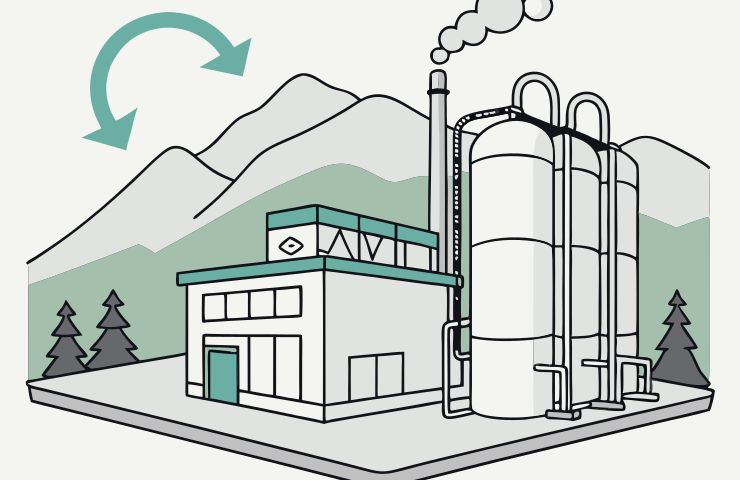
North Vancouver, Canada, might be about to shake off its industrial-town reputation in a big way. A bold new project is on the table, and it's unlike anything the area has seen before. Hydrogen Technology and Energy Corporation (HTEC) is gearing up to build a state-of-the-art facility that’ll turn industrial waste gas into clean, liquid hydrogen—churning out a hefty 15 tonnes daily. That’s not just impressive—that’s game-changing.
Turning Waste Into Worth: Hydrogen with a Twist
If you're thinking this is a cautious baby step toward clean energy, think again. HTEC is going all in. They’re planning to set up near Maplewood Village Centre, and the tech behind the operation is seriously cool—literally. Hydrogen gets cooled down to a frosty -253°C using an advanced helium-based cryogenic system. Once liquefied, it’ll be loaded up and trucked out daily in specially designed vehicles. The facility could rake in around $40 million a year, all by delivering a cleaner future from industrial leftovers.
And that's the real twist here—the source of the hydrogen isn’t solar panels or wind turbines. It’s waste gas, repurposed from partner company ERCO (Electronic Recycling Company of Ontario). Instead of letting harmful emissions go up in smoke, HTEC’s capturing them and turning them into valuable green hydrogen. It’s smart, efficient, and just might rewrite the rules on hydrogen production.
Big Tech, Bigger Responsibility: Managing the Risk
Of course, with great ambition comes great responsibility. HTEC knows safety can’t be an afterthought when you’re working with something as volatile as hydrogen. The proposed site will feature state-of-the-art explosion mitigation systems—including top-of-the-line hydrogen detectors, fast-acting pressure relief, and a rugged 500-gallon-per-minute water deluge system. Sounds intense? That’s the point. They're targeting a freakishly low chance of failure (1 in 10 million per year), fully aligned with ASME standards. But before anyone breaks ground, expect a deep-dive safety review from third-party experts.
Striking While the Policy’s Hot
This isn't just a bold business play—it's arriving at just the right time. The plant ties in snugly with Canada’s long-term environmental roadmap. Under the 2030 Emissions Reduction Plan, clean hydrogen is expected to make up at least 30% of the country’s energy mix. North Vancouver’s also pushing toward a 100% renewable energy future by 2050. So yeah, the timing? Couldn’t be better.
Industrial Shift: More Jobs and a New Identity
If the project gets the green light in tomorrow’s District Council vote, shovels could hit the ground soon, bringing in around 35 temporary construction jobs. Once operational, the plant would support another 15 permanent positions. No, it’s not a mega-jobs boom, but it's a meaningful pivot for an area that's been anchored in more traditional industrial work. This is real momentum toward industrial decarbonization.
Why This Matters: A Lot More Than Just Hydrogen
Here’s the real story—this project could be a turning point. By flipping industrial waste into a clean fuel, HTEC and ERCO are showing what the future of zero-emission technology might actually look like. If this works—and that’s still a big “if”—it won’t just be good for the environment. It’ll attract investors looking for scalable green solutions that actually make sense. This could be the kind of proof point others need to follow suit.
That said, let’s not get ahead of ourselves. Pulling off efficient hydrogen infrastructure at scale isn't easy. Turning lofty safety promises into real-world performance? Even harder. But if they stick the landing, this’ll be one to watch—and maybe even replicate coast to coast.
Looking Ahead: A Blueprint for What’s Next
If this facility proves successful, Canada could quickly become a leader in transforming industrial waste into practical, high-demand energy. It’s a new spin on green hydrogen, and other regions will be watching. Expect to see more partnerships between industrial waste operations and clean fuel producers—especially if the early returns look promising. The cleaner future? It might just arrive in a tanker truck full of liquid hydrogen.