Hydrogen Storage Below Deck Earns BV Green Light: Maritime Fuel Shift Gains Steam
Bureau Veritas issues Approval in Principle for Seco Marine’s underdeck hydrogen storage system, signaling progress for hydrogen in maritime decarbonization.
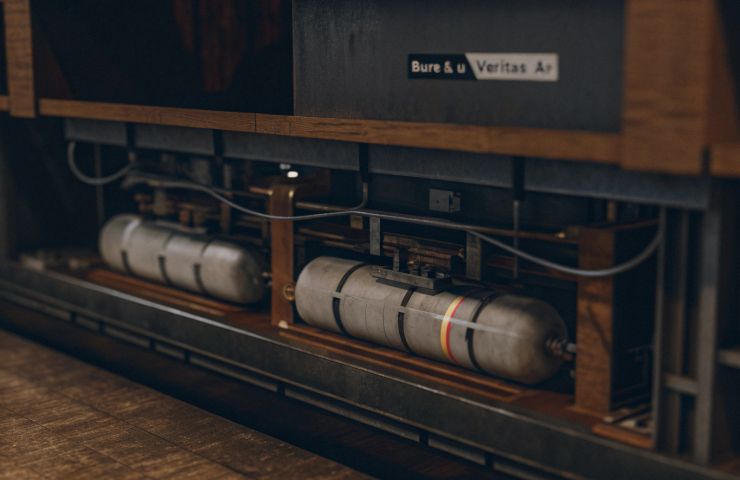
Compressed hydrogen storage just got a major thumbs-up from one of the toughest players in the marine industry. Bureau Veritas Marine & Offshore (BV) has granted an Approval in Principle (AiP) to Seco Marine for its underdeck hydrogen storage system. Designed specifically for fueling marine fuel cells, it uses lightweight Type 4 tanks—and honestly, it makes old diesel-powered ships feel like relics of the past.
The Big Win: AiP in the Bag, Boxes Checked
On July 4, 2025, BV officially signed off that Seco Marine’s solution met key safety and engineering standards outlined in its dedicated hydrogen rule set, NR678. That’s not just a rubber stamp. Underdeck compressed hydrogen storage is incredibly tricky—dealing with confined spaces and high-pressure environments is no walk in the park.
Seco’s system uses Type 4 composite tanks—we're talking about carbon fiber-wrapped, polymer-lined vessels that safely tuck away hydrogen below deck, feeding fuel cells directly without eating up space topside. It’s sleek, efficient, and now, officially validated (at least on paper) by one of the industry’s most respected authorities.
The Real Message Here
Here’s the takeaway: hydrogen is finally boarding the ship—literally. Getting an AiP doesn’t mean it’s ready for mass deployment tomorrow, but it’s a clear signal that the concept is safe and ready for deeper design and development work. For a cutting-edge idea in hydrogen storage, that’s a huge step forward.
It’s one thing to talk about making shipping more sustainable. It’s another to get a green light—from a 200-year-old rulemaker no less—on a piece of tech that could actually make that happen.
Engineering With A Long Game in Mind
But this isn’t just about showing off some fancy hydrogen setup. It’s a cleverly strategic move. By moving zero-emission technology below deck, shipbuilders don’t have to sacrifice prime real estate topside. That opens the door for a whole new kind of vessel—one built with fuel cell technology at its core, ready to meet tightening IMO emissions standards.
Let’s be honest—green fuel doesn’t help if we can’t store it efficiently and safely onboard. This tech could be the linchpin that makes scalable, seafaring hydrogen actually work.
Been Here Before—Sort Of
This might seem like new territory, but the marine industry’s been down a similar road before. Think back to the early days of LNG integration. The tools and know-how we’ve picked up along the way laid the groundwork for adopting hydrogen.
That said, hydrogen brings new headaches: it’s more volatile, stored at higher pressures, and takes up more space for the same amount of energy. Tackling those challenges head-on is what makes Seco’s approach not just smart—but necessary.
The Ripple Effect Is Coming
If this kind of tech gets rolled out at scale, expect shockwaves. Ports will need to step up hydrogen infrastructure for bunkering. Insurance frameworks will evolve. Ship design codes will get rewritten. This AiP might seem like a quiet regulatory checkmark—but it’s got the power to shake up the entire playbook.
That said, challenges haven’t magically disappeared: retrofitting older vessels, stitching new safety protocols into existing systems, and growing a global hydrogen supply chain are all hurdles the industry still has to clear.
Industry Pulse Check
To cut through the noise, here’s the bottom line: this AiP isn't just symbolic—it’s one of the strongest validations yet that underdeck hydrogen storage can become a go-to solution for clean marine energy. Seco Marine’s system is carving out the bridge between innovation and actual implementation. It’s solid proof that hydrogen is moving out of the lab and onto the open seas.
So, has hydrogen in shipping finally moved past concept sketches and press releases? This might just be the turning point.
What’s Next on the Horizon
When classification bodies start giving the green light to sustainable energy tech, you know the industry is paying very close attention. Look ahead five years and you’ll start seeing ships designed from day one to run on hydrogen—from the keel to the mast.
And as that wave builds, expect fuel cell technology to go from a side project to center stage in maritime innovation.