Mitsui E&S Powers Japan’s Port Decarbonization with Hydrogen Fuel Infrastructure
Mitsui E&S is developing a modular hydrogen refueling system for port equipment under a NEDO subsidy, with trials at Hanshin Port set for 2025, advancing Japan's push for net-zero emissions in heavy logistics.
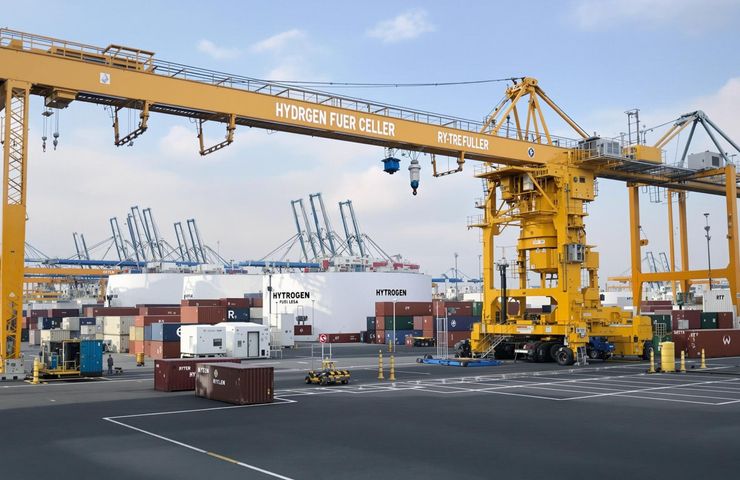
Mitsui E&S is stepping up in a big way to help drive Japan’s push toward industrial decarbonization, rolling out a new modular hydrogen refueling system that’s designed with port logistics in mind. Backed by a strategic grant from NEDO (New Energy and Industrial Technology Development Organization), this isn’t just a small-scale pilot—it’s a serious piece of Japan’s bigger plan to build out hydrogen infrastructure and phase diesel out of some of the toughest areas to decarbonize: port operations.
Hydrogen at the Dock: Putting Tech to the Test
Slated for a real-world demo at Hanshin Port’s Kobe International Container Terminal by mid-2025, the focus will be on refueling hydrogen fuel cell-powered RTG cranes—heavy-duty machines that have relied on diesel for decades. What makes this different is the modular design from Mitsui E&S. It’s built to scale fast, so as ports bring in more hydrogen-powered equipment, this system grows with it. Hydrogen is stored under high pressure and transferred quickly to machines like cranes and haulers. Everything meets the strict safety and space requirements of busy container terminals, ticking all the right boxes for operations at scale.
Why Focus on Ports?
Japan has set its sights on hitting net-zero emissions by 2050, and that means cutting back in every sector—especially big industrial zones like the Kobe-Osaka port region. With over 15 million people living nearby and a vital role in the national economy, these ports are front and center in the clean energy push. The machinery running 24/7 in these areas is a major source of emissions—but it’s also the perfect place to start making a dent. Switching these devices to hydrogen fuel cell technology not only slashes emissions right at the source, it helps kickstart demand for Japan’s homegrown hydrogen supply chain.
NEDO’s Backing: More Than Just Funding
This project isn’t just powered by innovation—it’s powered by momentum. With NEDO stepping in to bankroll a chunk of the development, there’s a strong signal being sent: hydrogen in ports is no longer just a concept—it’s happening. As the country’s go-to agency for energy advances, NEDO brings more than funding. It’s helping make sure this solution meets real-world standards and regulations while pushing for broader adoption of sustainable energy tech.
Where Engineering Meets Clean Tech
Mitsui E&S has already made headlines with its fuel cell-powered RTGC prototype—a world first. These cranes use high-pressure hydrogen tanks feeding into fuel cells to generate electricity, replacing the usual diesel-powered engines with something a lot cleaner. But the real innovation is in the bigger picture. Thanks to this modular hydrogen setup, it’s now possible to continuously refuel not just cranes, but an entire fleet of port equipment. That kind of flexible scalability could be the blueprint for sustainable energy adoption across ports everywhere.
Turning Japanese Engineering into Global Green Tech
This move could catapult Japan’s engineering sector into a leadership role when it comes to next-gen, zero-emission solutions for ports. And with places like Rotterdam and Los Angeles pushing similar tech experiments, the timing couldn’t be better. If Hanshin Port proves this system works, it might inspire other Asia Pacific industrial hubs to follow suit. For Mitsui E&S, that means more than bragging rights—it’s a potential green light for widespread adoption and commercial validation.
Ripple Effects: Supply Chains, Jobs, and Global Standards
If this project really takes off, the impact won’t stop at the port gate. Broader hydrogen use means new opportunities across the board—from ramped-up hydrogen production and storage to supply chain development and even international standards for technology and safety. On the ground, expect job creation in construction, system maintenance, and specialized training. There’s also a big opportunity here for academic and research partnerships, especially around safe hydrogen handling and system optimization.
What’s Next on the Horizon?
Over the coming year, all eyes will be on how this system performs under real conditions. Can it deliver fast, safe, and seamless fueling for a variety of port equipment? If it does, it could mark a major turning point in the way ports around the world approach industrial decarbonization. For now, Hanshin Port is set to be one of the world’s biggest live experiments in hydrogen infrastructure—and a vital step on Japan’s path toward a cleaner, smarter logistics system built around fuel cell technology.