Port of Newcastle Unveils $100M Clean Energy Precinct to Lead Green Hydrogen Shift
Port of Newcastle is transforming its coal port legacy with a $100M Clean Energy Precinct dedicated to green hydrogen and ammonia production, export, and zero-emissions freight infrastructure.
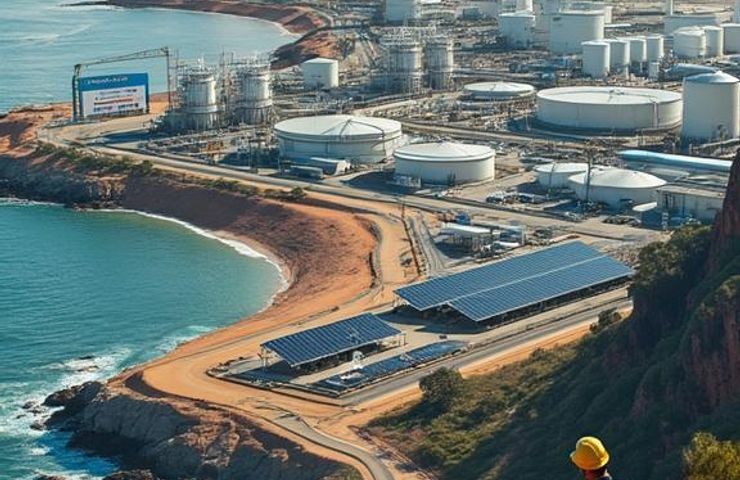
On July 4, 2025, the Port of Newcastle took a major leap into the future, rolling out the master plan for its ambitious Clean Energy Precinct (CEP)—a $100 million project that's giving one of the world’s biggest coal export hubs a serious green makeover. The plan? Turn this industrial icon into a leading force in green hydrogen and ammonia production.
A Port Reinvents Itself
Sitting on 220 hectares of Kooragang Island in the Hunter region of New South Wales, the CEP marks a bold shift from the port’s coal-heavy past. Think of it as industrial evolution in motion—coal out, clean energy in. The precinct isn’t just about producing hydrogen and ammonia; it’s about reshaping freight logistics with zero-emissions infrastructure, overhauling supply chains, and opening the door to next-gen tech that’s built to last.
Backed by $100 million in federal funding and championed by leaders like Minister for Climate Change and Energy Chris Bowen and Newcastle MP Sharon Claydon, this project is being hailed as a game-changer. Claydon put it best—this is about “future-proofing Newcastle” and building a job market that’s no longer riding the ups and downs of the coal economy.
Bringing in the Big Guns
To make it all happen, engineering giants like GHD, Lumea, and coNEXA are already in the trenches, pushing forward with Front-End Engineering Design (FEED) and Environmental Impact Statement (EIS) work. They’re tackling everything—from power systems and recycled water loops to plugging the precinct directly into Australia's electricity transmission grid.
This isn’t a science project. With plans to tap into 1.6 gigawatts of renewable energy and reuse up to 22 megalitres of non-drinking water, the facility will be churning out green hydrogen and ammonia at a serious scale—all without putting pressure on the region’s water supply. This level of production is miles beyond the “trial run” stage—this is full-on export mode.
Going Global with Green Fuels
What makes the CEP truly stand out is its all-in-one approach—production, storage, pipelines, shipping, the lot—for green hydrogen and green ammonia. And it’s not just for show. With markets like Japan, South Korea, and Germany lining up their hydrogen infrastructure strategies, interest is already heating up. This isn't just regional ambition—it’s Australia putting a flag down in the global energy conversation.
Chris Bowen has made it loud and clear: this precinct is a linchpin in the push for net-zero emissions by 2050. It’s a real solution for industrial decarbonization—not just a buzzword.
Real Jobs. Real Future.
Here’s the deal: this isn’t some green PR stunt flipped for headlines. It’s about giving the Hunter region a new lease on life—one that still draws on its deep industrial roots, just with a cleaner focus. From hydrogen-powered trucks to zero-emission technology for freight and ammonia-fueled ships, it’s about retraining the existing workforce and keeping jobs local. It’s a smart industrial pivot, not a start-from-scratch reinvention.
The message? Clean energy isn’t killing industry—it’s reimagining it.
Community and Culture at the Core
One of the more refreshing parts of this story is how seriously the Port of Newcastle is taking community and First Nations involvement. Traditional Owners and locals helped shape the project’s master plan, making sure it’s not just technically sound, but socially responsible too. And get this—it’s built with flexibility in mind, so it can evolve as new clean energy tech rolls out down the line. That's what future-proofing should look like.
Eyes on the Horizon
The FEED and EIS work will wrap by the end of the year, and all signs point to a smooth approval process after that. If all goes to plan, heavy construction kicks off in 2026, with the precinct up and running before 2030—just in time to ride the global wave of hydrogen demand.
So, will this project make Newcastle the face of Australia's green hydrogen revolution? Only time will tell. But one thing’s for sure: what started as a coal stronghold is now writing a very different story—one with cleaner skies, smarter jobs, and a future Australia can be proud of.