Portugal and Morocco Deepen Green Hydrogen Alliance, Positioning for Cross-Continental Energy Leadership
Portugal and Morocco have sealed a strategic green hydrogen pact, unlocking billions in investment and setting the stage for cross-border renewable energy corridors linking Africa and Europe.
Portugal and Morocco are teaming up in a big way to put themselves at the heart of the fast-growing green hydrogen economy. During a key round of talks held in Lisbon on July 23–24, 2025, the two countries doubled down on their long-standing partnership, focusing on a shared future centered on hydrogen production, clean ammonia, and cross-border sustainable energy networks.
North–South Teamwork to Power the Hydrogen Future
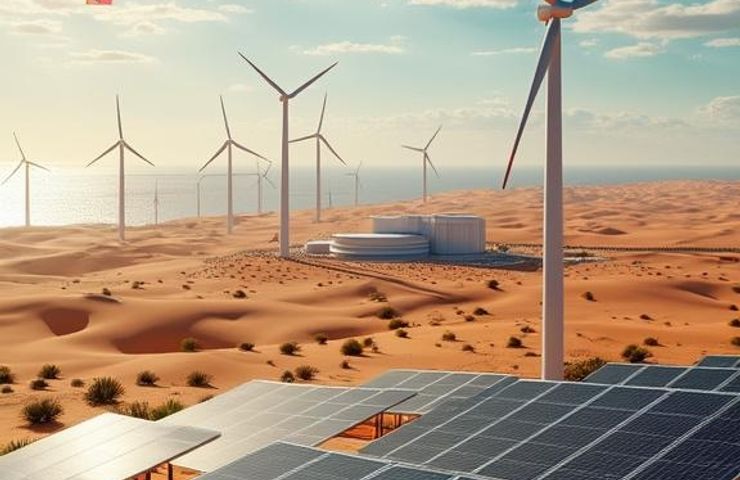
This alliance runs on a fairly straightforward idea: Morocco—with its massive solar and wind potential—produces the clean fuel, while Portugal, fully plugged into the EU’s climate goals, steps in as a key transit hub and buyer, helping supply Europe’s shift to sustainable energy.
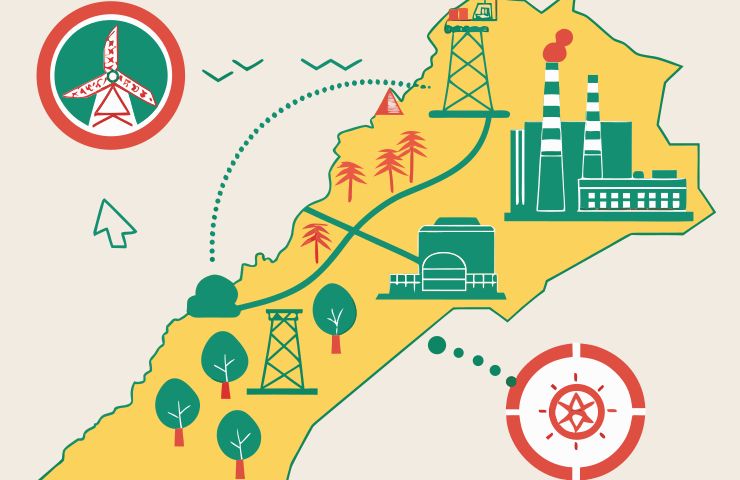
Morocco’s big landmass and political stability make it the perfect stage for massive renewable projects. A standout here is the ambitious Chbika project in the Guelmim-Oued Noun region. What makes it impressive isn’t just its scale—it’s who's behind it. Big international names like Ortus, Acciona, Nordex, TAQA, Cepsa, Nareva, ACWA Power, and UEG with China Three Gorges are all on board. Together, they’re working on a mega-project spread across 30,000 hectares, dedicated to green hydrogen, clean ammonia, and synthetic fuels.
How It All Comes Together
Here’s the play-by-play: Hydrogen production will rely on electrolysis—basically splitting water into hydrogen and oxygen using clean electricity from Morocco’s wind and solar power. That hydrogen can then be compressed or liquefied, or it can be combined with nitrogen via the Haber-Bosch process to produce green ammonia, which is essential for fertilizer and can also power ships.
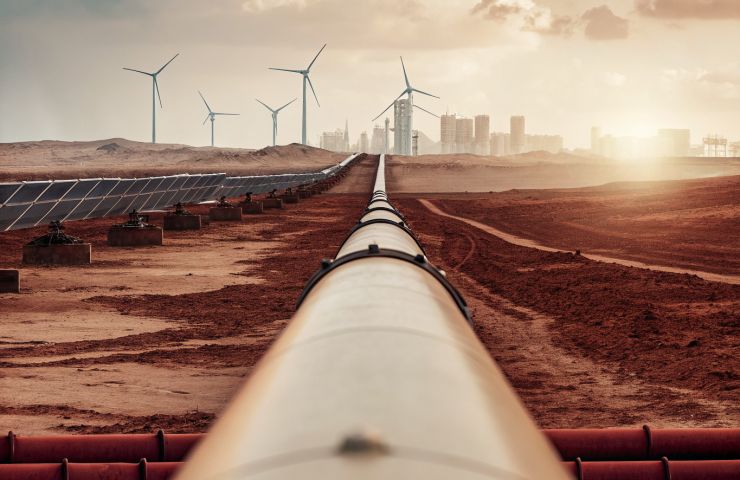
But producing it is only half the story. To move all that green energy, both countries are ramping up high-voltage direct current (HVDC) connections to Portugal and Spain. These interconnectors won’t just carry power—they’ll help stabilize EU grids and support the broader shift away from fossil gas.
More Than Energy—It’s Strategy
This isn’t just a clean power play—it’s a strategic move for both sides. For Portugal, it tackles two big-ticket items: securing energy independence and staying in line with the EU Green Deal. For Morocco, it’s an opportunity to shake off reliance on imported fuels, create high-skill jobs, and become a serious player in clean energy exports.
The numbers speak volumes. Morocco has already greenlit around $32.5 billion in green hydrogen projects through 2025. And the money isn’t just local—foreign direct investment is pouring in, backed by structures like the European Hydrogen Bank. First waves of commercial production are expected to begin soon after.
Bringing History into the Clean Energy Era
This renewed energy push is adding a modern twist to an old friendship. Morocco and Portugal go way back—since the 1774 Treaty of Peace and Friendship, to be exact. That bond was fortified again in 1994. Now, the language of diplomacy is increasingly being spoken in kilowatts and clean hydrogen capacity. With Portugal’s deep ties to EU climate strategy and Morocco’s standout renewables game, the energy partnership just makes sense.
And it doesn’t stop there. The two nations are also backing a joint 2030 FIFA World Cup bid with Spain, while maritime projects are linking economic and energy flows across continents. This partnership is bigger than power—it's about tightening historical, economic, and ecological bonds.
What Could Slow Things Down
Of course, every major transition comes with its own set of speed bumps. There’s concern over energy sovereignty—who controls what gets exported and when—as well as environmental worries about the footprint of mega-projects. Add to that price volatility tied to things like the EU’s Carbon Border Adjustment Mechanism, and there are quite a few variables in play. And let’s not forget equity: how do local communities directly share in the benefits beyond just jobs and better roads?
Still, what Portugal and Morocco are working on isn’t minor. It’s a whole new model—where clean molecules could reshape how energy flows across the world, shifting the center of gravity from oil-rich nations to those with abundant sun and wind. This is more than decarbonization—it’s a global rebalancing, and both countries look ready to lead the way.
Looking Ahead: A Blueprint for Global Green Corridors
As more countries aim for net-zero targets, the cross-border setup emerging between Lisbon and Rabat could serve as a real-world model. These regionally integrated hydrogen corridors might just be the key to deeper sustainable energy cooperation between Africa and the EU—a preview of what the future of clean power diplomacy could look like.