PowerCell and Bosch Deepen Strategic Partnership to Scale Hydrogen Fuel Cells in China
PowerCell and Bosch expand their partnership to deploy hydrogen fuel cell systems in China, targeting both mobility and industrial sectors. Bosch acquires €6 million rights to PowerCell's S3 stack as both companies double down on zero-emission technology.
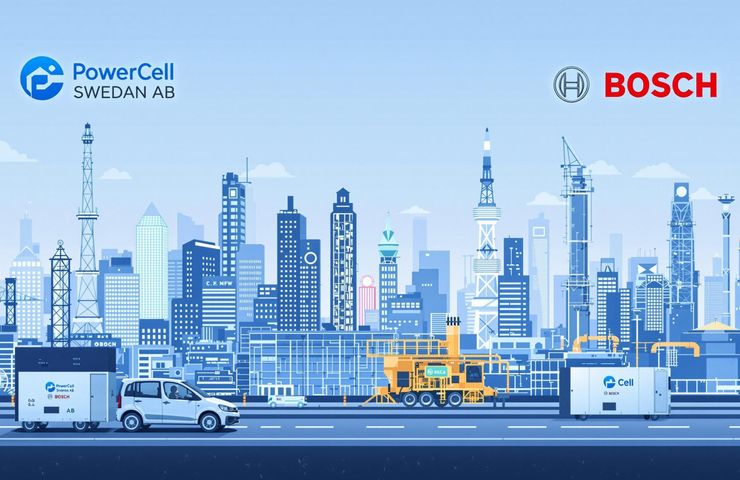
PowerCell Sweden AB and German tech giant Robert Bosch GmbH are stepping up their game with a newly expanded partnership that’s all about speeding up the rollout of hydrogen fuel cells in China’s massive industrial and mobility sectors. Announced on June 12, 2025, this move brings European clean tech right into the heart of the world’s biggest hydrogen market—and it could be a game-changer.
Expanding Footprint in China’s Hydrogen Boom
As part of this fresh deal, Bosch now holds expanded rights to customize PowerCell’s top-tier S3 fuel cell stack for automotive applications in China. The agreement, worth €6 million, is more than just a licensing deal; it paves the way for the two companies to collaborate beyond cars, into industries like construction equipment, forklifts, and backup power—pretty much anywhere electrification is gaining ground.
China isn’t just dipping its toes in hydrogen—it’s diving in headfirst. The government is pumping major investment into the hydrogen infrastructure and pushing hard on decarbonization. For PowerCell and Bosch, this partnership offers a unique opportunity to pair cutting-edge fuel cell technology with a country ready to adopt it at scale, while sidestepping the usual headaches of supply chains and localization.
The Tech: PowerCell’s Versatile S3 Platform
At the core of it all is the S3 fuel cell stack: a flexible, high-efficiency PEM system that's already proven itself in mobility but is just as comfortable powering heavy-duty equipment or backup power systems. It’s adaptable, scalable, and reliable—three things that matter a lot in China’s fast-paced industrial ecosystem.
By pairing PowerCell’s fuel cell innovation with Bosch’s manufacturing horsepower and extensive China network, this partnership could seriously accelerate market expansion. It's about making fuel cells not only cleaner—but also cost-effective and ready to scale in one of the most competitive markets on Earth.
Riding the Wave of China’s Hydrogen Strategy
China’s hydrogen push isn’t just talk—it’s turning into action. With strong policy backing, billions in subsidies, and a major focus in the nation's current Five-Year Plan, hydrogen is already reshaping the energy landscape. And the only way in for most foreign players? Teaming up with experienced, local-operating giants like Bosch.
For PowerCell, this partnership isn’t just about increasing sales—it’s a ticket into one of the most ambitious energy transitions happening right now. And for Bosch, it means widening its footprint in clean tech, especially beyond the auto space. Industrial hubs across China are hungry for stable, zero-emission power solutions, and this alliance is set up to deliver just that.
What This Means at a Glance
- PowerCell and Bosch are strengthening their strategic partnership to tap into China’s booming hydrogen fuel cell market.
- The €6 million agreement gives Bosch more control over local adaptation of the S3 fuel cell stack.
- They’re aiming far beyond vehicles, targeting a range of industrial and backup power sectors ripe for zero-emission technology.
- Local manufacturing and supply chain integration are critical elements of the plan, helping the tech scale competitively in China.
- The partnership supports China’s goals for zero-emission progress, while giving European hydrogen players a stronger global presence.
How We Got Here: From Niche to Necessary
Not long ago, a collaboration like this between European fuel cell developers and Chinese manufacturers might’ve seemed like a niche sideshow. Today, it’s the main event. Hydrogen’s no longer stuck in the research lab—it’s reaching the factory floor, delivery trucks, and industrial sites, as full-stack commercial reality takes shape.
Global clean-tech players are realizing that if they want to scale, they’ve got to think about strategic partnerships that work locally. In this case, tapping into China’s massive, state-supported rollout of hydrogen infrastructure is a smart bet for both speed and impact.
Looking Ahead
This deal isn’t just about licensing technology—it’s about planting a flag in the future of the hydrogen economy. For PowerCell, it’s a chance to make a real dent in a top-tier export market. For Bosch, it expands their clean energy mission while syncing perfectly with China’s national goals.
As demand for reliable, scalable zero-emission technologies picks up speed globally, partnerships like this set the tone: bring the best of innovation, plug into local momentum, and together, accelerate the shift to a cleaner future.