
Revolutionary Fuel Cell Technology Advances Automotive Flow Uniformity and Stack Efficiency
A peer-reviewed 2025 study reveals that optimizing fuel cell stack manifolds with X1 and X2 designs can drastically improve pressure uniformity, halve size, and boost efficiency for hydrogen vehicles.
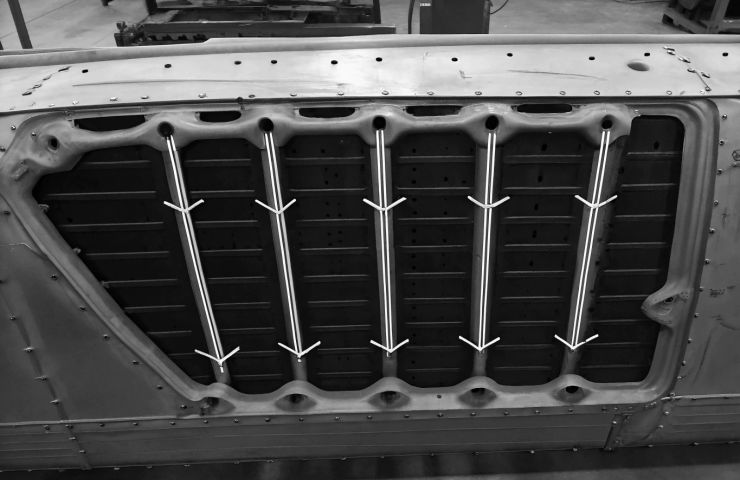
Researchers have made a major breakthrough in fuel cell technology, zeroing in on a smarter way to channel gas through fuel cell stacks with totally redesigned manifold systems. The new approach—featuring clever X1- and X2-shaped manifold designs—could dramatically boost how efficiently hydrogen fuel cells perform in vehicles. The findings, published on July 9, 2025, are being hailed as a game-changer for automotive fuel cell systems and the future of hydrogen mobility.
What’s Different This Time? A New Take on Stack Design
Here’s the thing: traditional hydrogen fuel cells, especially those using proton exchange membranes (PEMs), have always leaned on basic U-shaped manifolds to get gases flowing through the stack. But there’s a catch—these setups often struggle with imbalanced pressure and uneven gas distribution, which can cause hotspots, early cell wear, and underwhelming performance.
To fix this, a team of researchers—still flying a bit under the radar—decided to shake things up. They got to work using high-tech tools like computational fluid dynamics (CFD), multi-objective genetic algorithms, and topology optimization to develop the X1 and X2 manifold designs. And it paid off. The X2 manifold, especially when paired with a curved C-type inlet pipe and double inlets, stood out, showing a huge leap in both pressure control and even gas distribution across the fuel cell stack.
What They Found: Smaller, Smarter, and More Stable
Here’s where it gets really interesting:
- The new X2 manifold slashed the overall manifold size by about 50%—which is huge for carmakers trying to fit this tech into sleeker, more compact vehicles.
- It delivered a big drop in pressure loss, meaning less wasted energy and smaller compressor loads.
- They also found that trimming down the inlet (while keeping the outlet the same) seriously improved gas flow across every version they tested.
All of this isn’t just good on paper. These improvements help keep fuel cells running at steady temperatures, extend their working life, and make power output more consistent—all critical pieces when you're building zero-emission technology for real-world roads.
Why This Matters: Efficiency Is Everything
Even flow might not sound like a big deal, but in high-power hydrogen fuel cell stacks, it’s absolutely essential. When gas moves unevenly, it can lead to wildly different heat and power zones across the system. That kind of inconsistency wears out the stack faster and creates extra headaches for operators and manufacturers alike. The result? Higher costs and less reliable vehicles.
As the industry races toward electrified and zero-emission transportation, especially in heavy-duty sectors like trucking, space efficiency and cost are under the microscope. And this is where the X2 manifold shines. By trimming down both the weight and complexity of the parts while boosting real-world performance, the new design helps make hydrogen fuel cells much easier to integrate—without sacrificing power or durability.
Under the Hood: AI-Driven Design Smarts
This isn’t just about bending pipes differently. The whole project leaned hard into advanced design tech, using a multi-objective genetic algorithm to find the perfect balance between pressure drop, space-saving, and smooth gas flow. Add in some topology optimization—basically rethinking how the material is laid out for best results—and they came up with a fuel cell intermediary piece that’s lighter, tighter, and works smarter not harder.
Big Picture: What It Could Mean for the Industry
If carmakers and commercial operators start rolling out fuel cells with these new manifolds, we’re looking at a serious drop in the total cost of ownership (TCO)—not just from longer lifespan and better reliability, but also from simpler packaging and easier integration. And this doesn’t just apply to personal EVs. It could make a splash in long-haul trucks and even energy storage systems that crave consistent power output with minimal maintenance.
In the grander scheme of things, that means a more compact, efficient, and financially viable hydrogen fuel cell package. It could even help with vehicle resale value since systems would wear more evenly—a big plus for fleet buyers.
What's Next?
While there’s no official word yet on which automakers might adopt these designs first, the takeaway is crystal clear: smart design upgrades can be the key to unlocking wide-scale adoption. As the hydrogen mobility and zero-emission tech ecosystem continues to grow, these kinds of innovations won’t just help shape better fuel cells—they’ll lead to real policy change and industry support.
So, as it turns out, rethinking something as behind-the-scenes as a manifold can actually drive the whole industry forward. It’s not just about better performance under the hood—it’s about building a cleaner, more intelligent path to the future of transport.