RINA and World Bank Drive Green Hydrogen Progress at Brazil’s Pecém Port
RINA and Krypton lead a World Bank-funded study to assess sustainable water options for green hydrogen production in Brazil’s Pecém port.
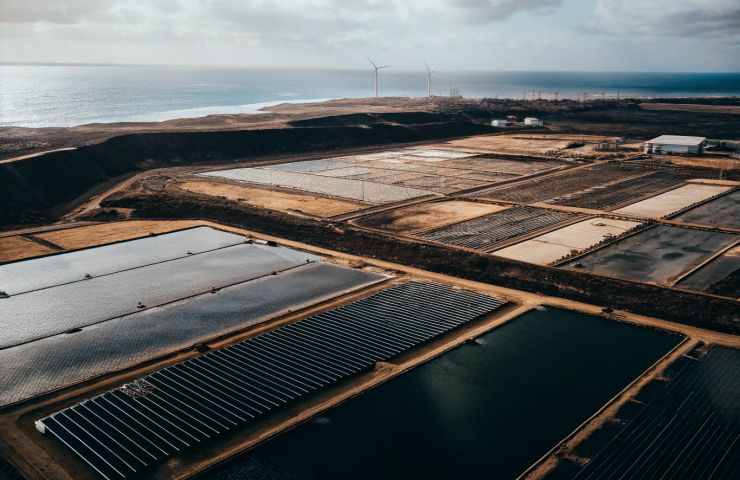
RINA, a major player in engineering and certification from Italy, has teamed up with its Brazilian partner Krypton on an important mission supported by the World Bank. Their task? To help crack a big challenge tied to large-scale green hydrogen production at the Complexo Industrial e Portuário do Pecém (CIPP) in Ceará, Brazil. Right now, they’re trying to figure out the smartest, most sustainable way to supply the huge volumes of water needed for hydrogen electrolysis—without doing harm to the local environment or communities.
A Deep Dive: Where Will the Water Come From?
Kicking off on July 8, 2025, the project zeroes in on two options for securing water at scale:
- Reusing treated wastewater from nearby municipal plants
- Desalinating seawater through reverse osmosis or thermal processes
Each route will be closely analyzed—not just for technical feasibility and cost, but also for environmental impact. The goal is to find the best fit for powering industrial hydrogen production using Brazil’s clean energy resources.
But this isn’t just about engineering numbers. The study will also look at the broader picture: how these solutions might affect communities, water availability, and local ecosystems. It’s about making sure the push for sustainable energy also puts people and the planet first.
Why Pecém? Why Now?
CIPP isn’t just another industrial port. It's in Ceará, a state blessed with some of Brazil’s strongest solar and wind potential. On top of that, the port boasts ready-to-go logistics hubs, an ideal location for exports across the Atlantic, and a regulatory environment that actively supports green hydrogen development.
Backed by Brazil’s new hydrogen law (2025) and high-profile partnerships—like the one with the Port of Rotterdam—the region is fast becoming a magnet for global investment in clean hydrogen. Since 2021, Ceará has been laying the foundation to become the country’s hydrogen hotspot. In fact, six producers have already secured land deals in CIPP. Clearly, the private sector is paying close attention.
The Bigger Picture: What This Means for Business and the Region
This water sourcing study is more than a technical formality—it’s a game-changing step. Solving the water puzzle paves the way for the entire hydrogen infrastructure to scale up smartly and sustainably. Here’s how:
- It removes a major roadblock to big capital projects, which are often held back by resource uncertainties
- It clears a path for export, especially important with the EU tightening rules through its Carbon Border Adjustment Mechanism
- It could drive improvements in local water infrastructure—pumps, pipelines, treatment systems, and electrical grid upgrades
- It may even boost water resilience in nearby communities, especially through the reuse of wastewater
By laying out a practical, transparent blueprint for long-term water management, RINA and Krypton are helping shape a smarter, fairer model for industrial decarbonization in Brazil—and potentially in other emerging economies too.
What Comes Next
All eyes are now on the results of this assessment. If everything clicks, it could unlock billions in investment for green hydrogen infrastructure—and put Brazil on track to become one of the world’s leading hydrogen exporters by 2030.
But this goes beyond tech specs and financials. Real success will hinge on transparency, inclusive planning, and a strong focus on water access and environmental balance. In other words, this study isn’t just a milestone—it’s a litmus test for how we scale up sustainable energy solutions without leaving anyone or anything behind.