News
South Korea Deepens Fuel Cell Push with Bloom Energy to Scale Hydrogen Infrastructure
South Korea and Bloom Energy are ramping up cooperation to scale fuel cell deployment and manufacturing, underscoring the nation’s push to lead the global hydrogen economy.
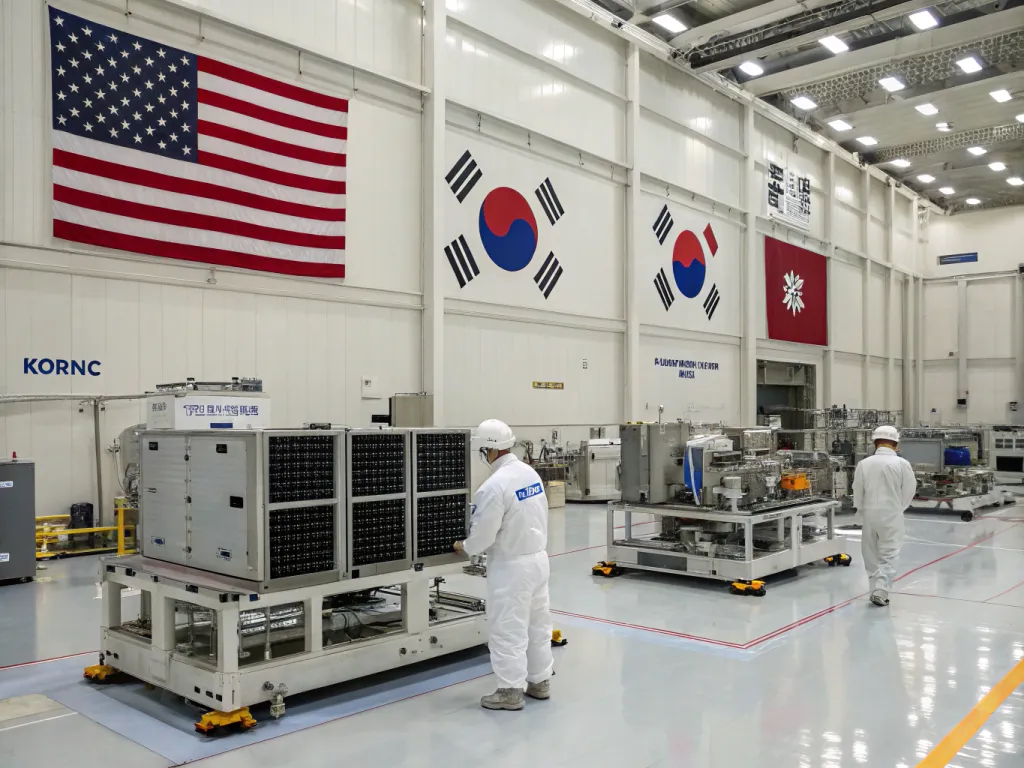
South Korea Says ‘Go Big’ on Solid Oxide Fuel Cells with Bloom Energy
South Korea is making some serious moves in the clean energy game—this time doubling down on a bold bet: solid oxide fuel cells (SOFCs). Top-level government officials recently sat down with executives from Bloom Energy to talk shop about how to speed up deployment of the tech across the country. The late-2024 meetings weren’t just handshakes and photo ops. They marked a deeper, more strategic partnership between the California-based clean energy player and a nation pushing hard to become a global front-runner in the hydrogen fuel cells race. Long story short: South Korea’s ready to move beyond vision and into full-blown execution mode—with Bloom along for the ride.Hydrogen Roadmaps Meet Market Realities
South Korea’s hydrogen push isn’t some brand-new initiative. Back in 2019, it rolled out an ambitious Hydrogen Economy Roadmap that laid out a path to becoming a top-tier hydrogen powerhouse. Since then, the country’s been hustling—rolling out thousands of fuel cell systems, pouring investment into hydrogen infrastructure, and casting a wide net over mobility, production, and energy storage. At the heart of it all? SOFCs. And for Bloom Energy, it’s a no-brainer. South Korea represents both a high-tech playground and a strategic gateway to expand further into the Asian market. As one industry insider put it: “South Korea’s got the whole package—supportive policies, heavyweight industrial partners, and a clear appetite for scaling hydrogen tech. It’s basically the perfect testbed for getting it right at scale.”Inside the Tech: Why SOFCs Matter
So, what makes solid oxide fuel cells so compelling? Unlike engines that burn fuel to make power, SOFCs generate electricity through a high-temp electrochemical process. No flames, no noise—just efficient, clean, always-on power. Even better, they don’t need to rely solely on hydrogen. Bloom’s SOFCs can run on natural gas, hydrogen, or a mix of both, making them perfect for today’s energy transition where full-scale hydrogen infrastructure is still catching up. This built-in flexibility makes the systems highly adaptable and future-proof for different use cases—from data centers to large-scale industrial setups.Manufacturing at the Heart of the Talks
Word from those close to the recent site visits? The buzz was all around local manufacturing capacity. Bloom already has a solid foothold in the region through its partnership with SK ecoplant, but there’s talk of taking things to the next level—think co-investing in new facilities, ramping up domestic production of SOFC components, and plugging into Korea’s massive electronics and materials supply chains. This isn’t just about cost savings or efficiency. It plays into South Korea’s bigger strategy: create jobs, boost tech leadership, and build energy solutions faster by making them at home.Strategic Synergies: More Than Just Hardware
Sure, the hardware’s impressive—but the collaboration could go even deeper. Reports say the two sides also talked about teaming up on R&D, especially around integrating electrolyzers and supporting green hydrogen production. For Bloom, which has started developing its own electrolyzer tech, the synergy couldn’t be more perfect. With more hydrogen production from renewables in the pipeline, South Korea is setting itself up to be a central hub for clean hydrogen. And it’s not going it alone. Big names like Hyundai, POSCO, KoGas, and Lotte Chemical are also betting big on hydrogen, making this one tightly-knit ecosystem firing on all cylinders—from vehicles and marine applications to export-ready infrastructure.Legacy Meets Momentum
Now, let’s be clear—South Korea didn’t just wake up yesterday and decide to throw billions at hydrogen. They’ve been working the plan since 2019. What’s different now? The urgency. Between the global energy pivot, supply-chain uncertainty, and rising pressure to slash industrial emissions, the country’s looking to go from planning to building—and fast. For Bloom Energy, which went public in 2018 and already has its SOFCs working in real-world conditions worldwide, the timing couldn’t be better. South Korea isn’t just another hopeful market—it’s one of the few places actually pushing to commercialize at real scale.Looking Forward: A Catalyst for Industrial Decarbonization
What’s next on the horizon? Expect to see a lot more movement—more production expansion, bigger deployment rollouts, and potentially even new policy support as South Korea positions itself to hit its 2030 and 2040 hydrogen milestones. For Bloom, this could be the beginning of a much bigger role—not just as a tech supplier, but a real driving force in Asia’s clean energy evolution. For South Korea, it's another step toward a future where it makes, exports, and leads in next-gen hydrogen technology. Bottom line? This isn’t theory anymore. The groundwork’s been laid, the players are aligned, and the playbook is in hand. Now, it’s time to build. About Bloom Energy: Based in San Jose, California and founded in 2001, Bloom Energy is a global leader in solid oxide fuel cell technology. The company delivers reliable, scalable clean power solutions for commercial and industrial clients around the world—and partners with major players to bring next-gen energy systems to life.How was this article?
Thanks for the feedback!