South Korea Launches First Green Hydrogen Facility Using Small Hydropower at Seongnam Plant
Seongnam becomes home to South Korea’s first fully renewable hydrogen production site. Powered by small hydropower, it delivers 188 kg/day of clean hydrogen for local vehicles, marking a pivotal moment in the nation’s zero-emission mobility push.
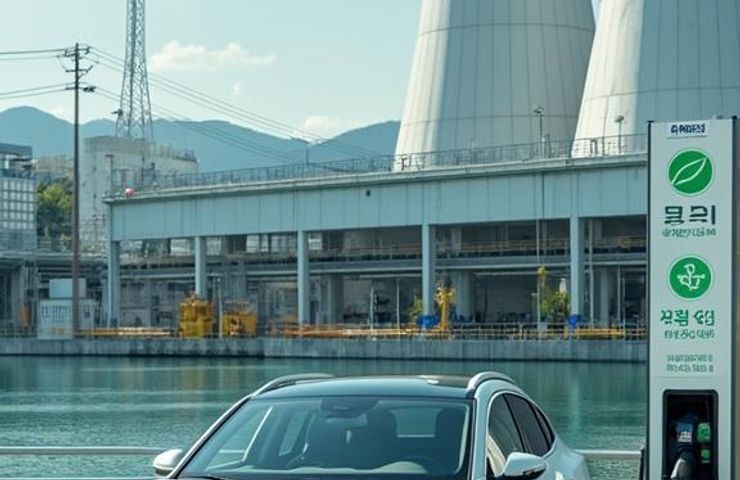
South Korea just made a bold move toward cleaner transportation by kicking off full-scale green hydrogen production at its first municipal facility, located at the Seongnam Water Purification Plant in Gyeonggi Province. Starting on July 22, 2025, this site officially began shipping hydrogen — and it’s not your average kind.
Hydropower Fuels the Future
This isn’t the usual hydrogen made from fossil fuels or leftover petrochemical processes. Instead, the Seongnam facility is cranking out zero-emission hydrogen using a completely clean system:
- Technology: It uses electrolysis powered entirely by small hydroelectric turbines, pulling energy straight from the flow of Paldang Lake.
- Daily Production: About 188 kg of high-purity hydrogen every day — enough to keep roughly 40 hydrogen fuel cell vehicles on the road.
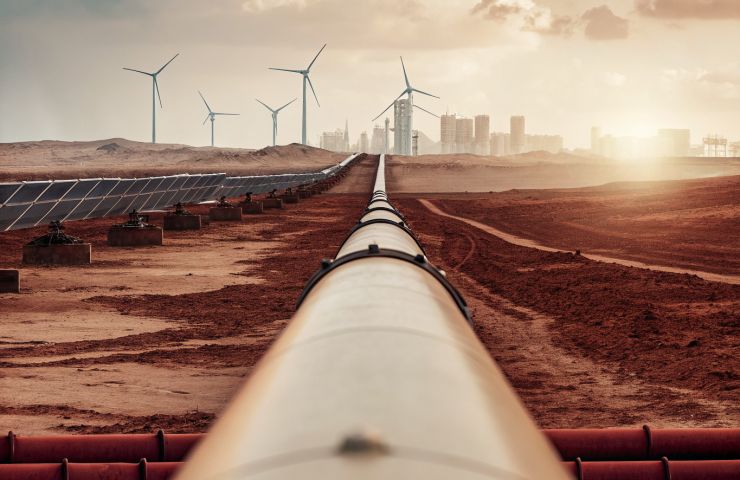
- How It Gets There: Right now, they’re using tube trailers to transport the hydrogen, but by late 2025, new Hyundai-designed mobile fueling stations and a local pipeline network will handle the job directly.
This project is the result of a team effort. Korea Water Resources Corporation (K-Water), working alongside the Ministry of Environment, Hyundai Motor Company, and the Seongnam City government, brought this pioneering facility to life. Each partner played a major role — from infrastructure to strategy to practical rollout.
A Step Toward South Korea’s Hydrogen Ambitions
Years ago, South Korea laid out a bold Hydrogen Economy Roadmap, but most projects since have still leaned heavily on carbon-intensive methods. That all changes with Seongnam—it’s a real shift into renewable hydrogen infrastructure. What’s unique here is how it blends together water management, clean energy, and next-gen mobility into one seamless system.
The project sets a powerful example of how different sectors—utilities, carmakers, city officials, and environmental agencies—can join forces for a common goal. The Ministry of Environment is already eyeing similar installations in places like Miryang and Chungju, hoping to use Seongnam as the blueprint.
Challenges Now, Payoff Soon
The one big hurdle? Cost. Right now, hydrogen at Seongnam runs between ₩15,000–17,000 per kg, which is still higher than traditional sources. But that’s expected to come down significantly once the pipeline system and mobile filling units come online. Lower delivery costs could mean green hydrogen becomes competitive with dirtier options sooner than we think.
Another big plus: this model creates a kind of local energy loop. The area's own water flow powers a system that produces fuel for vehicles driving on the very same streets — bringing self-sufficiency and long-term savings within reach.
Why It’s a Big Deal
This isn’t just about clean cars or new tech. Seongnam represents what’s possible when policy, infrastructure, and innovation line up just right. South Korea, once known for making hydrogen as an industrial by-product, is now laying the groundwork for green hydrogen at the source.
The big-picture goals? Cut emissions. Boost energy security. Create local green jobs. And develop know-how that could someday fuel the future of clean mobility across Asia — and maybe even further.
What’s Next?
As those Hyundai mobile fueling stations and local pipelines kick into gear, expect hydrogen vehicle use to pick up — especially in densely populated zones around the Seoul Capital Region. With two more production facilities already being planned in Miryang and Chungju, Seongnam could be just the beginning of South Korea’s push to build a solid hydrogen infrastructure one site at a time.