Stellantis Halts Hydrogen Fuel Cell Investment Amid Infrastructure and Cost Barriers
Stellantis backs out of hydrogen fuel cell investment in Symbio, citing high costs and poor infrastructure. The move signals a broader pivot to battery-electric vehicles.
Summary: Stellantis Pulls the Plug on Hydrogen Vans
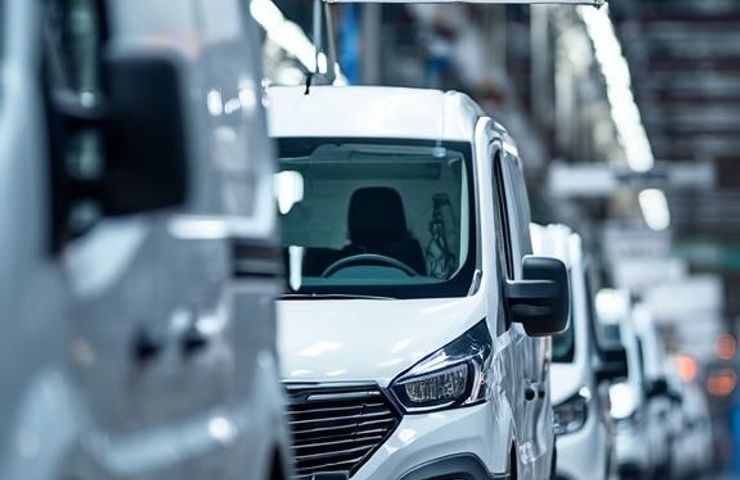
Stellantis has officially hit the brakes on its hydrogen van ambitions, stepping away from its partnership in the Symbio joint venture. Just a year after leaning into hydrogen fuel cell tech with big plans and a fleet of eight new hydrogen-powered vans, the company confirmed in July 2025 that it’s no longer putting money into the program. Why the sudden U-turn? Blame it on sky-high production costs, a sparse hydrogen infrastructure, and a market that just isn’t buying in—literally. Add to that a noticeable lack of policy support in key regions like Europe and the UK, and it’s no surprise the effort ran out of steam.
Market Impact: Hydrogen Faces a Chill in EU's Mobility Landscape
This move sends a clear message to the rest of the industry: tread carefully with fuel cell technology. Despite the early enthusiasm and a significant investment alongside Forvia through the Symbio venture, the business case just didn’t hold up. Even with major cuts to vehicle prices, hydrogen fuel cell electric vehicles (FCEVs) struggled to keep pace with the affordability and traction of battery-electric vehicles (BEVs). Stellantis’ manufacturing centers in Hordain, France and Gliwice, Poland were at the heart of this effort, but ultimately, the numbers didn’t add up.
Strategic Shift: Focus Moves to Battery-Electric Vehicles
So where does Stellantis go from here? It’s doubling down on BEVs. Unlike hydrogen, battery-powered vehicles are benefiting from rapidly falling production costs, growing public charging networks, and firm policy support across the continent. Stellantis is following the signs: the future—at least for now—is looking battery-powered. And with global demand leaning harder into zero-emission technology, the company is placing its bets where the momentum’s stronger.
Technical Snapshot: Where Hydrogen Fell Short
Truth be told, the hydrogen vans weren’t lacking in performance. They offered solid range—between 400 to 500 km—and super-quick refueling times under five minutes. On paper, they seemed like a no-brainer. But in practice? The hydrogen infrastructure just couldn’t keep up. There weren’t enough refueling stations, hydrogen was too pricey, and the customers just weren’t sold. Even with a 33% stake in Symbio and strategic support from Forvia, the project simply didn’t hit the kind of scale or excitement needed to justify further investment.
Key Takeaways
- Cost vs Value: Hydrogen tech is still expensive, and customers didn’t think the value matched the price tag.
- Infrastructure Gaps: Without enough refueling stations, hydrogen mobility never really got off the ground.
- Policy Misalignment: Most government incentives leaned heavily toward BEVs, leaving hydrogen in the shadows.
- Market Signals: This move could put the brakes on other hydrogen investments and influence decisions across the industry.
Parallel Developments: Hydrogen Losing Ground to BEVs
Stellantis isn’t the only one cooling off on hydrogen. Across the board, major automakers are quietly walking back hydrogen fuel cell projects, shifting focus—along with R&D dollars—toward BEVs. The hurdles facing fuel cell tech—ranging from infrastructure delays to lukewarm market enthusiasm—are proving too much for many companies, especially when battery options are gaining steam with clearer short-term returns.
Implications for Symbio and Forvia
This pivot puts Symbio in a tricky spot. The company was just starting to scale up its fuel cell production, and now it finds itself one major partner light. Forvia, still firmly in the game, may need to rethink its strategy—possibly steering toward niche markets like industrial or heavy-duty transport where hydrogen fuel cells still have room to shine. But when it comes to Europe’s light commercial segment, analysts think this move could set back adoption timelines by several years—maybe even longer.
Closing Thought
Hydrogen isn’t off the table—it’s just off the priority list, at least when it comes to everyday commercial vans in Europe. Stellantis' decision highlights a hard truth in the clean mobility space: no matter how impressive the tech, it's not going anywhere without the right mix of infrastructure, investment, and government support.