Sumitomo Backs Decentralized Hydrogen Push in US with Independence Hydrogen Investment
Sumitomo Corporation of Americas has invested in Independence Hydrogen to expand decentralized hydrogen production using by-product hydrogen from chlor-alkali chemical processes. The partnership targets scalable, low-carbon hydrogen solutions for industrial and mobility sectors across the U.S.
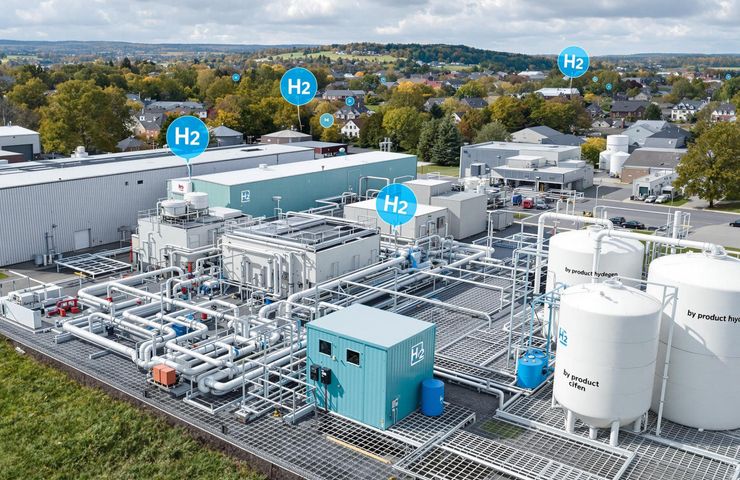
Independence Hydrogen, a U.S.-based startup that's found an innovative way to turn overlooked industrial hydrogen into something valuable, just scored a major win. On July 10, 2025, the company landed a strategic investment from Sumitomo Corporation of Americas, giving them the boost they need to expand their network of decentralized hydrogen production sites across the country.
Rooted Locally, Aimed Globally
This move fits perfectly with Sumitomo’s larger vision—growing clean energy assets and building out hydrogen infrastructure that’s not only green but also closer to where it's needed most. The partnership puts a spotlight on Independence Hydrogen’s clever model: instead of wasting by-product hydrogen from chemical plants—like in chlor-alkali and chlorate production—they clean it up and turn it into fuel cell-grade hydrogen. It’s an efficient way to deliver lower-cost clean energy to challenging sectors like heavy transport, power generation, and tough-to-decarbonize industries.
They’ve already got a site up and running in Petersburg, Pennsylvania, producing about 1.2 tonnes of hydrogen per day. But with Sumitomo in their corner, they're gearing up to ramp that up to 7 tonnes per day. That means more coverage, better supply reliability, and a big step forward in industrial decarbonization.
How It Works: Turning Waste into Power
The tech behind it is pretty cool. Hydrogen that’s usually flared off as waste during brine electrolysis—the process used to make chlorine and caustic soda—is instead captured, purified, and upgraded to meet strict fuel cell standards. Independence Hydrogen does it all onsite, including compressing the gas for local delivery. It’s a smart setup that keeps transportation costs low and emissions even lower—especially compared to traditional, centralized hydrogen production models.
Why It Matters Right Now
Hydrogen is finally stepping into the spotlight on the global energy stage—but plenty of roadblocks still stand in the way: inconsistent supply, steep prices, and gaps in infrastructure. That’s where this model shines. By focusing on by-product recovery and keeping things local, Independence Hydrogen is tackling all three issues head-on. As for Sumitomo, they see huge potential in the U.S.—a country with a strong chemical industry base and increasing policy momentum pushing for cleaner energy.
What You Should Know
- Strategic Partnership: Sumitomo Corporation of Americas backs Independence Hydrogen to help grow a localized, low-carbon hydrogen infrastructure.
- Scaling Up: Production at the Petersburg site will jump from 1.2 to 7 tonnes/day thanks to efficient use of by-product hydrogen.
- Local Wins: Decentralized model slashes delivery costs and reduces the need for complex hydrogen supply chains.
- Greener Approach: Cuts greenhouse gas emissions by transforming industrial waste into clean, usable energy.
A Bigger Trend: Where Clean Tech Meets Smart Recycling
Sumitomo’s investment isn’t a one-off—it’s part of a broader shift. Across Europe, Asia, and North America, big players are turning to overlooked industrial streams to produce clean hydrogen. It’s a smart shortcut to affordable, zero-emission energy that avoids the cost and complexity of building out new feedstocks or pipelines. This deal shows that small-scale, local-first solutions are gaining serious traction—especially in places where big infrastructure just isn’t practical yet.
The Road Ahead
If Independence Hydrogen delivers on its expansion plans, this could become a model for how we grow distributed hydrogen production in the U.S.—and maybe even globally. Not only does it offer a more flexible, sustainable fuel supply for key sectors, but it also sends a loud and clear message to lawmakers and the energy industry: it’s possible to build cleaner systems by tapping into what we’ve already got, rather than starting from scratch.