News
No FCEVs, no EVs: this is the engine of the future that outperforms all known fuels
While most automakers focus on electric versus hydrogen-powered cars, Mazda takes a different route. The Japanese automaker has brought back a dedicated R&D team to breathe new life into the rotary engine, making them more eco-friendly for both electrified and hydrogen-powered cars. Here's what you need to know about this new design. Mazda is on a new path After countless tries, Mazda has finally cracked it with a tech called Spark Controlled Compression Ignition (SPCCI). This breakthrough is shaking up the gasoline engine scene. Their new rotary engine is featured in the MX-30 compact crosso…
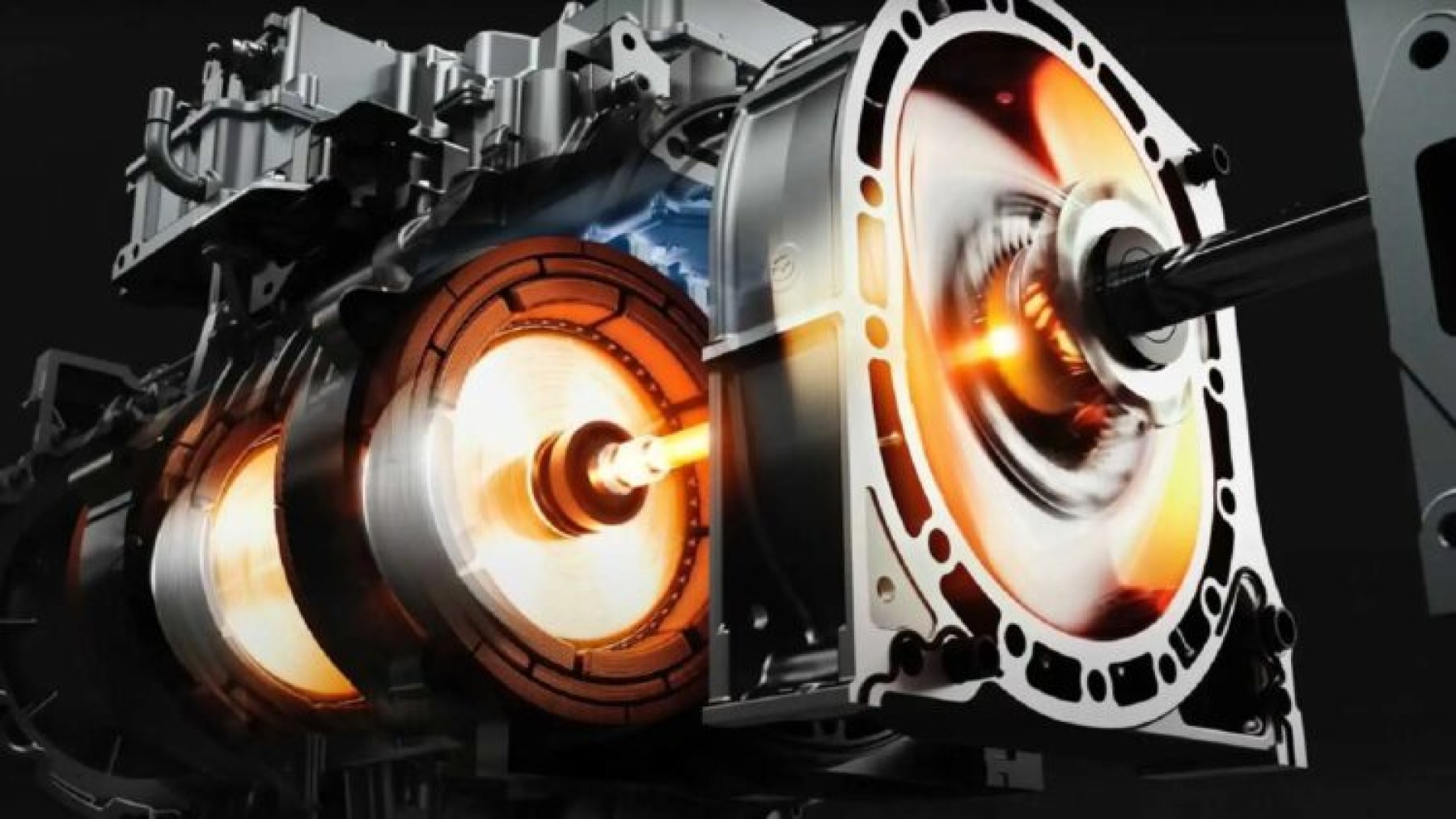
While most automakers focus on electric versus hydrogen-powered cars, Mazda takes a different route. The Japanese automaker has brought back a dedicated R&D team to breathe new life into the rotary engine, making them more eco-friendly for both electrified and hydrogen-powered cars. Here's what you need to know about this new design.
 Mazda's new rotary engine, powered by SPCCI, stands out for its lightweight and compact design. It's an efficient twist on the classic Wankel rotary engine, although it has faced some flak for low fuel efficiency. Despite the naysayers, Mazda believes this engine can give hybrids a better electric range than what's possible with standard gasoline engines. However, there's a cloud on the horizon with the EU considering a ban on new gasoline-powered cars by 2035.
The car company isn't backing down, though. They're working on refining the rotary engine to make it suitable for a broader range of uses, including pure electric vehicles. The company is confident that the rotary engine has untapped potential and could become one of the greenest alternatives to conventional gasoline engines.
Mazda's new rotary engine, powered by SPCCI, stands out for its lightweight and compact design. It's an efficient twist on the classic Wankel rotary engine, although it has faced some flak for low fuel efficiency. Despite the naysayers, Mazda believes this engine can give hybrids a better electric range than what's possible with standard gasoline engines. However, there's a cloud on the horizon with the EU considering a ban on new gasoline-powered cars by 2035.
The car company isn't backing down, though. They're working on refining the rotary engine to make it suitable for a broader range of uses, including pure electric vehicles. The company is confident that the rotary engine has untapped potential and could become one of the greenest alternatives to conventional gasoline engines.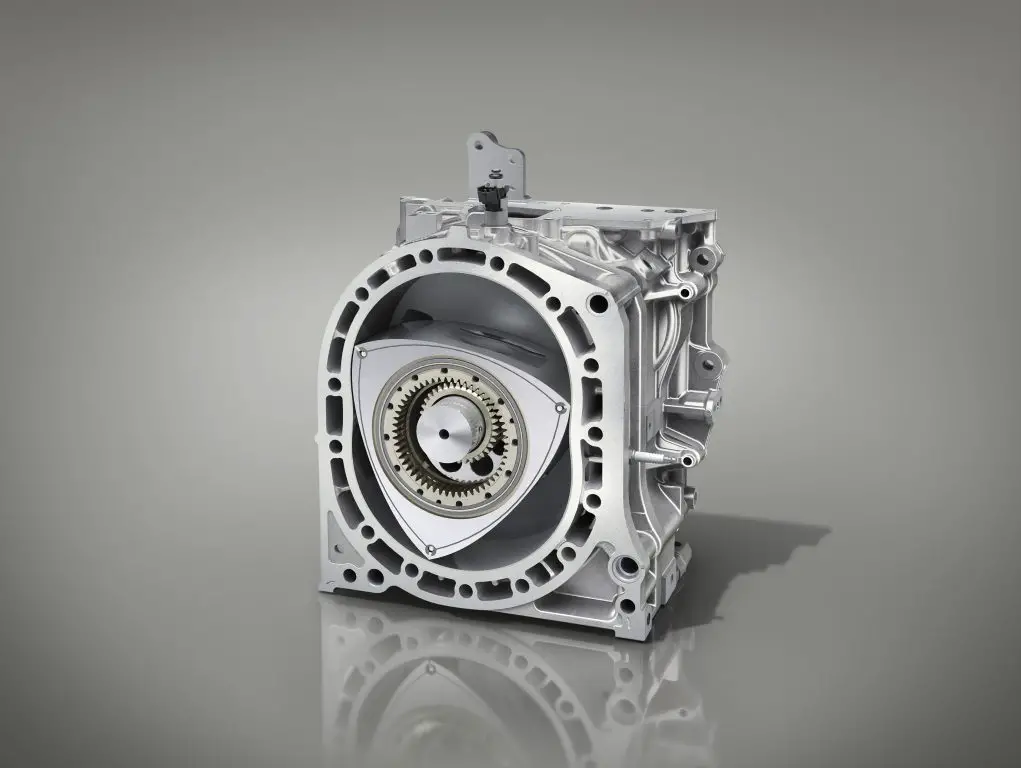
Mazda is on a new path
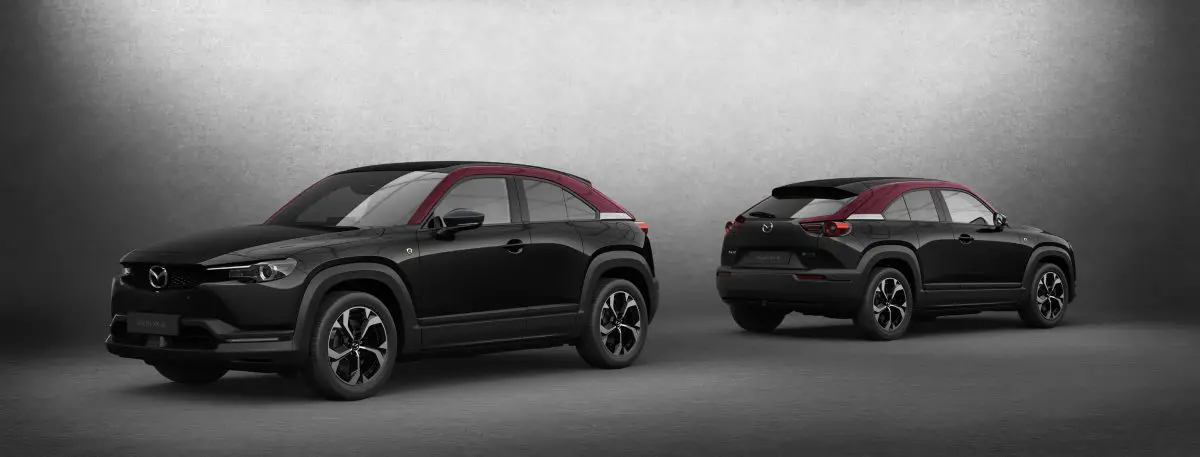
After countless tries, Mazda has finally cracked it with a tech called Spark Controlled Compression Ignition (SPCCI). This breakthrough is shaking up the gasoline engine scene. Their new rotary engine is featured in the MX-30 compact crossover variant, known as the MX-30 e-Skyactiv R-EV. This cool hydrogen-powered car can use the SPCCI engine as its main power source and also as a range extender to generate electricity when the battery's running low. Thanks to this new engine, the MX-30 e-Skyactiv R-EV boasts a longer range compared to typical EVs.
Mazda's new rotary engine, powered by SPCCI, stands out for its lightweight and compact design. It's an efficient twist on the classic Wankel rotary engine, although it has faced some flak for low fuel efficiency. Despite the naysayers, Mazda believes this engine can give hybrids a better electric range than what's possible with standard gasoline engines. However, there's a cloud on the horizon with the EU considering a ban on new gasoline-powered cars by 2035.
The car company isn't backing down, though. They're working on refining the rotary engine to make it suitable for a broader range of uses, including pure electric vehicles. The company is confident that the rotary engine has untapped potential and could become one of the greenest alternatives to conventional gasoline engines.
More about the MX-30 e-Skyactiv R-EV
This ride uses a rotary engine in a series-hybrid setup to juice up its 17.8-kWh lithium-ion battery. On the WLTP cycle in Europe, this battery can deliver up to 85 km (about 31 miles) of range when fully charged. The rotary engine runs on gasoline from a 50-L (13.2-gal) fuel tank and kicks in to produce electricity for those longer trips. Mazda has cleverly placed the rotary engine in the front engine bay, right on the same axle as a high-output motor and generator, ensuring everything runs smoothly and efficiently. Moreover, the MX-30 e-SKYACTIV R-EV offers fast charging options with both AC and DC, making it easy to recharge the battery pack. Mazda hasn't confirmed if this model will hit the North American market yet, but it was unveiled in Europe in January 2023. Built-in Hiroshima, Japan, this is Mazda's first all-electric propulsion model.Going where most EVs can't
While many folks are interested in EVs, some hesitate due to concerns about charging and range. Mazda's program manager, Uefuji-san, says the company aims to create a car that addresses these worries, offering an electric vehicle perfect for daily use and capable of long trips without the dreaded range anxiety. However, hardcore EV enthusiasts aren't thrilled with the MX-30 R-EV because it relies on gasoline to kickstart, which they see as a drawback. They argue that most EV users don't face range issues if they simply charge their vehicles overnight and generally don't encounter problems with the public charging infrastructure. While these points are valid, Mazda sees things differently. The MX-30 R-EV might be the perfect fit for those who aren't die-hard EV users but still want to positively impact without stressing over charging issues or range limitations. It's designed for those who live in the moment and want a hassle-free driving experience. It'll be interesting to see if the MX-30 R-EV gains traction among everyday drivers, especially since it's priced the same as the all-electric MX-30. This model could appeal to a broader audience by offering the flexibility of an electric vehicle with the peace of mind of a gasoline range extender. Mazda's approach might just win over those who are on the fence about fully committing to an EV.How was this article?
Thanks for the feedback!