Top EU CEOs Call for Fast-Tracking Hydrogen Mobility to Safeguard Clean Tech Leadership
Over 30 top EU executives urge the European Commission to fast-track hydrogen mobility policy and infrastructure, citing fears of falling behind China and risking Europe's clean tech leadership and energy independence.
Europe’s hydrogen mobility future is hanging in the balance, and more than 30 top CEOs from across the continent aren’t keeping quiet about it. In a joint letter released on July 3, 2025, leaders from major hydrogen, automotive, and energy companies urged the European Commission to step up its game and fast-track support for hydrogen mobility. Their message? If Europe doesn’t act now, it could lose its edge in clean tech to the U.S. and China.
The Problem: Hydrogen Is Stuck in the Slow Lane
The open letter, sent straight to EU policymakers in Brussels, lays it all out: infrastructure is rolling out too slowly, regulations are a mixed bag across member states, and there’s just not enough investment momentum. The executives stress that this isn’t just about hitting climate targets. It’s about safeguarding millions of European jobs and staying in the game when it comes to future manufacturing muscle.
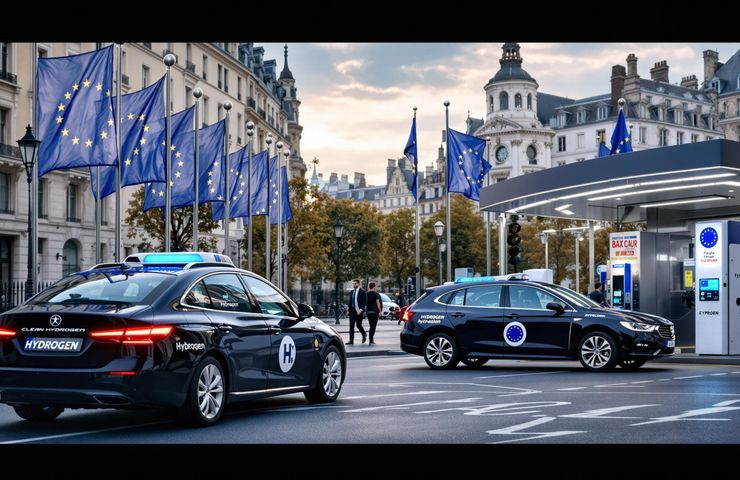
Right now, hydrogen mobility across the EU is a bit of a patchwork. Yes, some pilot programs—like the hydrogen-powered taxis clocking millions of kilometers each month in Paris—are leading the way. But on the whole, efforts feel scattered and unsupported. Meanwhile, China has already deployed over 28,000 hydrogen vehicles and built 400 fueling stations, fueled by a clear, national game plan. Europe’s strategy hasn’t caught up yet.
The Guts of Hydrogen Tech
So what’s powering hydrogen mobility anyway? It all comes down to hydrogen fuel cells. These systems generate electricity from hydrogen gas, and the only thing that comes out of the tailpipe is water vapor. Vehicles using this tech—cars, buses, trucks—refuel quickly and go the distance, making them perfect for freight and busy city transport.
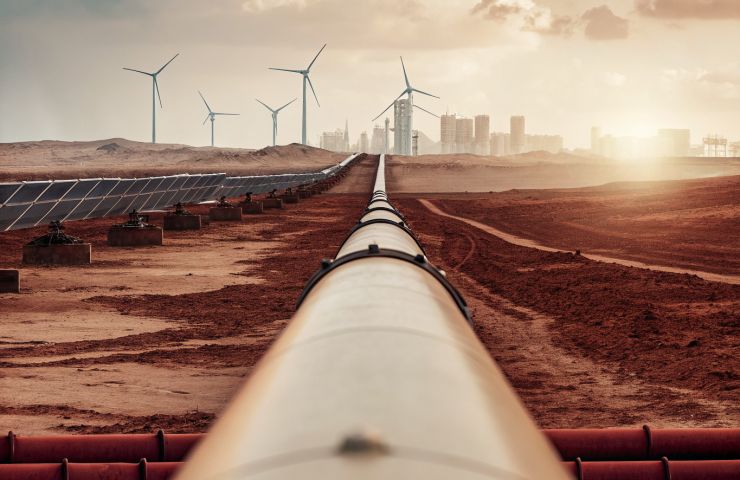
But deploying hydrogen at scale involves a lot more than just building the cars. There’s green hydrogen production from renewable sources, setting up distribution networks, and installing a network of hydrogen refueling stations. The EU’s own playbook—the 2020 Sustainable and Smart Mobility Strategy—outlined big goals: 500 stations by 2025 and 1,000 by 2030. And with the Net-Zero Industry Act (NZIA), there’s a regulatory push in place to encourage cleaner production, including hydrogen. But with 2025 now here, progress is still dragging.
The Bigger Picture: Europe’s Economic and Climate Future
This isn’t just a transportation issue. The CEOs are clear: banking solely on battery-electric vehicles (BEVs) risks raising costs and limiting options where hydrogen could be the smarter move—like long-haul shipping or fleet vehicles that need quick refueling. A one-size-fits-all approach might strain already-overloaded electricity grids and hold back overall decarbonization.
But it’s also a question of independence. Without a solid hydrogen infrastructure, Europe could become too reliant on outside players. Meanwhile, global competitors like China are racing ahead, and the U.S. is throwing billions at clean energy through the Inflation Reduction Act. If the EU ramps things up now—with coordinated investment and a strong value chain stretching from electrolyzers to assembled vehicles—it can keep its foothold in this key market.
The opportunity is even larger than just mobility. Hydrogen has serious potential to decarbonize industry, aviation, and maritime freight. But if the transport sector stays fragmented, it creates ripple effects that make progress harder across the board. One executive summed it up best: “We can’t afford siloed solutions anymore. The future’s arriving fast, and cohesion might be our best weapon.”
Paris Is Proving What’s Possible—But Scaling Is the Real Test
If you're wondering whether this works in the real world, just look at Paris. The city is already running clean, efficient hydrogen taxis every day. These vehicles are out there doing the job—and doing it well. But for every success like Paris, there are dozens of places stuck waiting for infrastructure, investment, or policy backing to catch up.
This is why the ball’s back in the European Commission’s court. Industry leaders aren’t just asking for handouts—they’re calling for a united EU push. Think continent-wide station builds, cross-border fuel links, and regulations that actually line up. Without that kind of leadership from the top, Europe risks falling behind even further.
Bottom Line: Will the EU Step Up?
This open letter isn’t just a list of demands. It’s a wake-up call—and also a roadmap. The CEOs are pushing for a coordinated EU-level market activation plan. That means defining how and where hydrogen refueling stations will be deployed, tying together supply and demand with smart policies, and building a competitive edge for sustainable energy to thrive in the real world.
What happens next is up to Brussels. If EU leaders act decisively, Europe has a shot at building a transport system that’s not only low-carbon but also globally competitive. If they wait too long, others may write the next chapter of clean mobility without them.