Hydrogen news
Would you grab a slice from this Toyota hydrogen fuel experiment?
The automaker developed an H2-powered pizza oven with the claim it makes food taste better Toyota has thrown its hat into the ring in the battle over the best way to cook, claiming that its new hydrogen fuel pizza oven. The automaker believes it has the best option for a stone oven To create the first hydrogen fuel pizza oven, Toyota partnered with Rinnai, an appliance company. They have called the result of their partnership a first of its kind in the world. At the same time that they created the pizza oven, they also developed a small BBQ that burns H2. After all, it is far more common…
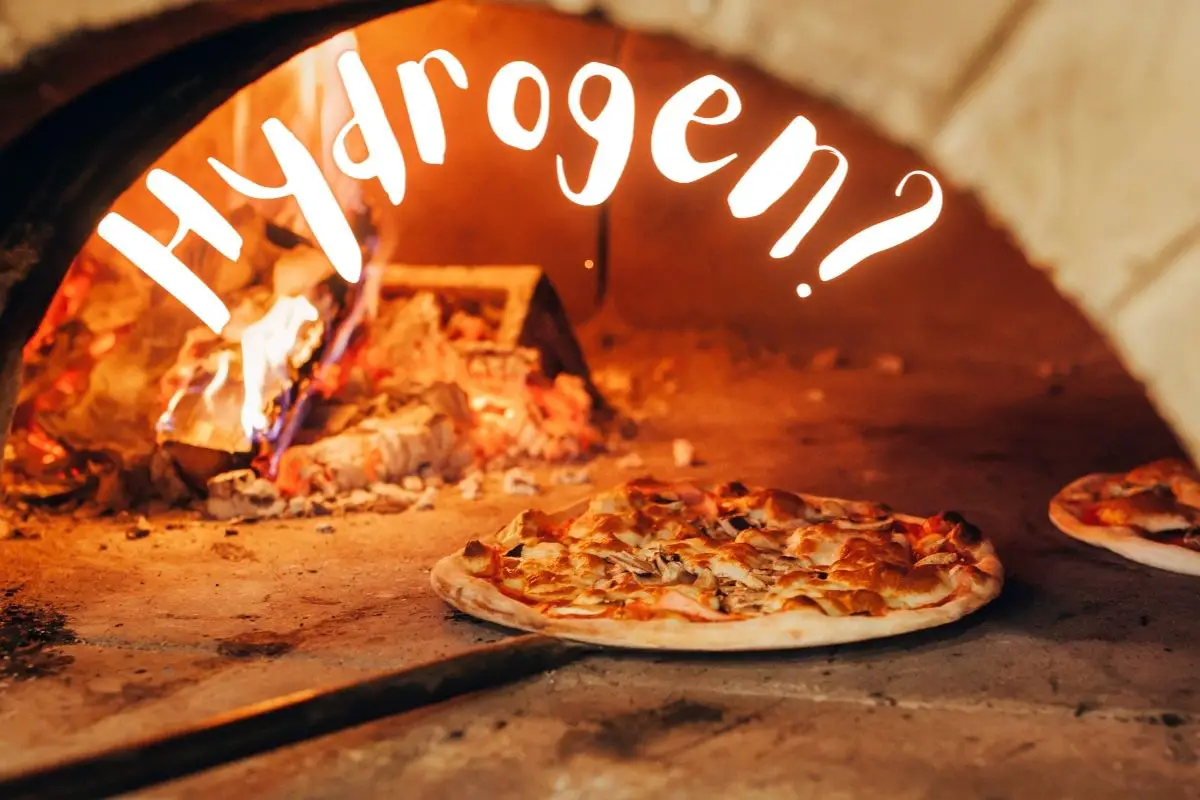
The automaker developed an H2-powered pizza oven with the claim it makes food taste better
Toyota has thrown its hat into the ring in the battle over the best way to cook, claiming that its new hydrogen fuel pizza oven.The automaker believes it has the best option for a stone oven
To create the first hydrogen fuel pizza oven, Toyota partnered with Rinnai, an appliance company. They have called the result of their partnership a first of its kind in the world. At the same time that they created the pizza oven, they also developed a small BBQ that burns H2. After all, it is far more common for people to have the need and capacity for a BBQ than a stone pizza oven. Both companies have been highly enthusiastic over the potential from H2. Toyota has been developing and selling H2-powered cars for several years. Rinnai was already developing an H2-poered cooker back in 2020 when the company celebrated its 100th anniversary. It was that development that taught the appliance maker that this type of appliance’s creation wasn’t necessarily as easy as it might have sounded.Hydrogen fuel cooking appliances were developed in the absence of guidelines
Among the top challenges faced by Rinnai, and then in the partnership between that company and Toyota, is that there aren’t any guidelines in place in the form of safety standards. Typically, when creating a new appliance, the safety standards guidelines can provide a very basic level of direction. Without that, the companies not only needed to come up with the units, but also how to ensure they would be safe to use. It was the need for this additional guidance that led Rinnai to seek out Toyota’s partnership, as the automaker’s experience in making hydrogen fuel-powered cars gave the appliance company confidence that they could create units that would not explode.
A hydrogen fuel oven based on passenger vehicle technology
The pizza oven resulting from the collaboration features technology adapted from the Toyota Mirai. This includes the system used for both the supply and monitoring of the H2. The appliance also uses the same form of control system technology built into the furnaces designed and manufactured by Rinnai. By the time this article was written, neither company had revealed specifically how the oven functioned. That said, Toyota did point out that the high combustion temperature of hydrogen fuel functions with oxygen in the air in order to produce steam as it burns.It’s not just about looks
The appearance of the stone oven makes it look quite similar to conventional pizza ovens. It is dome shaped, with a chimney on top and a slot in the front the shape of a half moon to make it possible for the pizza to be placed into the oven and removed again. This particular unit was built on wheels to make it possible to move it around as required. The oven has been undergoing extensive testing by Toyota employees, who have been using it to make pizzas as well as croissants. That said, so far, the partnership isn’t ready to commercialize either its appliance or its recipes.Is cooking with hydrogen fuel better?
According to Toyota, there are some important advantages to cooking with hydrogen fuel. Among them are that it makes food taste better, said the company. “Take things like mushrooms and vegetables,” said Toyota in a statement about the appliance. “While these ingredients tend to dry out on a wood or charcoal barbecue, hydrogen cooks more quickly, leaving them bursting with moisture and delicious flavors.” Though vehicles remain Toyota’s primary focus, side projects such as this one are appealing as they support the company’s strategy to help in “making hydrogen feel like part of every day life is a crucial first step in creating a hydrogen society.”How was this article?
Thanks for the feedback!