Hydrogen news
Why The Waste-from-Energy Controversy Is More Fuel For The Fire For Investing In Hydrogen
By Paul Willacy, CEO of waste-to-hydrogen innovators Compact Syngas Solutions The UK government’s plan for a new pollution tax is causing a bit of a stink. Experts warned in a recent article in The Guardian that the charges may force councils to send more rubbish to landfill – or ship it overseas. The government scheme to penalise pollution from burning rubbish aims to get more waste recycled. But the fear is that it will lead to worse environmental outcomes. And rather than paying the charges due to be imposed on energy-from-waste incinerators, councils will have to find other, less expen…
By Paul Willacy, CEO of waste-to-hydrogen innovators Compact Syngas Solutions
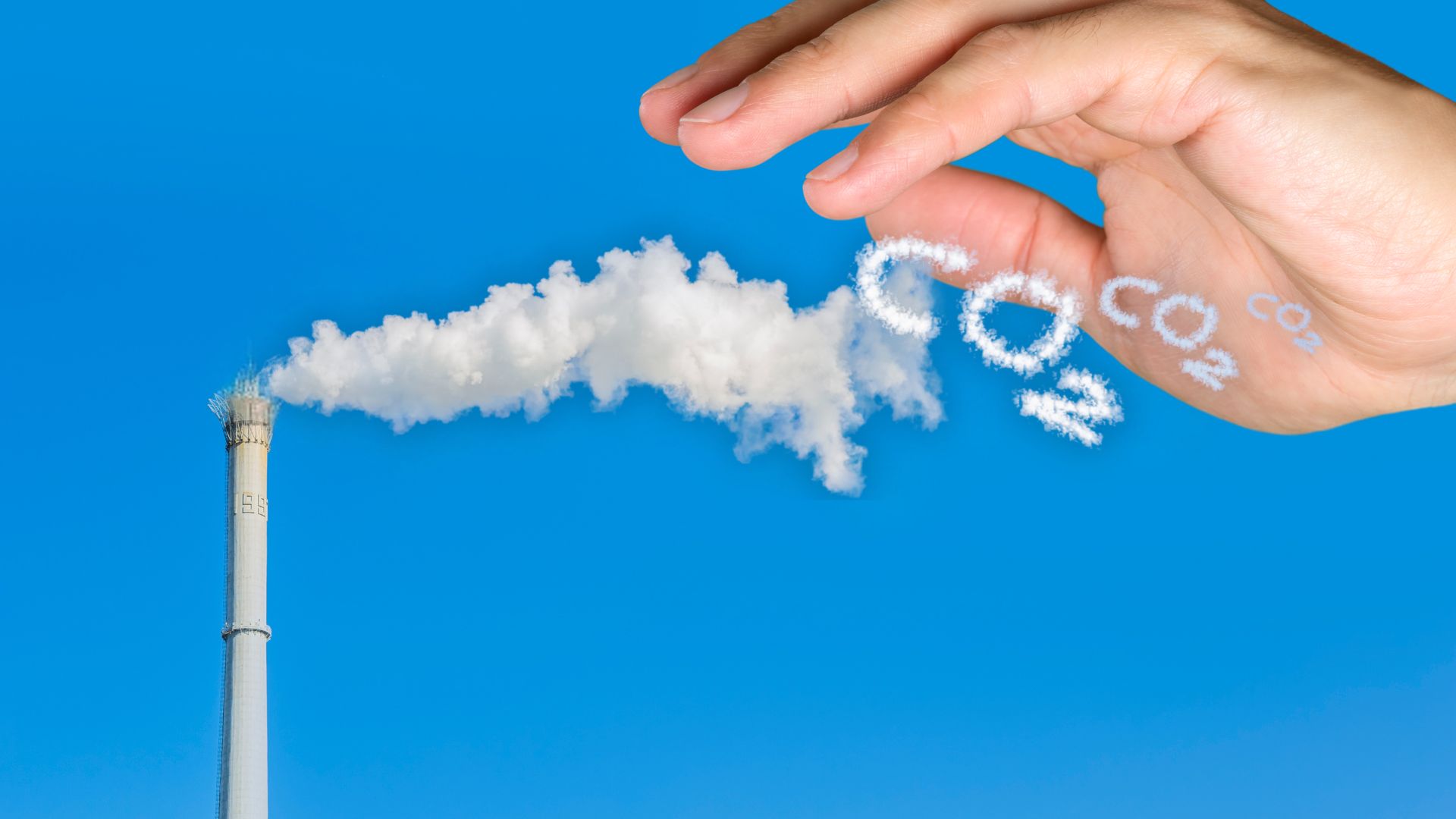 Burning waste releases carbon dioxide and toxins, contributing to climate change and poor air quality. Even when this is done to produce energy, it’s a disaster for our climate.
Hydrogen with carbon capture means that pollutants are captured, making it a far greener and more sustainable alternative.
In addition, burning waste destroys valuable materials that could be recycled or reused, which just increases demand to manufacture new raw materials, creating yet more pollution.
Burning waste releases carbon dioxide and toxins, contributing to climate change and poor air quality. Even when this is done to produce energy, it’s a disaster for our climate.
Hydrogen with carbon capture means that pollutants are captured, making it a far greener and more sustainable alternative.
In addition, burning waste destroys valuable materials that could be recycled or reused, which just increases demand to manufacture new raw materials, creating yet more pollution.
Working it
Giving hydrogen the green light would mean the creation of thousands of high-skilled jobs across production, infrastructure, and research and development.
This would give the UK economy a much-needed shot in the arm, and help to propel us towards Labour’s favorite buzzword; growth.
It would also strengthen the UK’s position as a clean energy leader on the global stage, attracting more private investment.
The UK government’s plan for a new pollution tax is causing a bit of a stink.
Experts warned in a recent article in The Guardian that the charges may force councils to send more rubbish to landfill – or ship it overseas. The government scheme to penalise pollution from burning rubbish aims to get more waste recycled. But the fear is that it will lead to worse environmental outcomes. And rather than paying the charges due to be imposed on energy-from-waste incinerators, councils will have to find other, less expensive ways to dispose of it. It’s currently cheaper for councils to burn waste than to send it to landfill. But it’s estimated that the new charges, under the UK emissions trading scheme (ETS), could heap billions of costs on councils. The Guardian also highlighted that a ‘significant chunk of the waste that many householders carefully sort for recycling ends up being burned’.A Burning Issue
These energy-from-waste incinerators are not helping the UK to reach its net zero goals. In fact, recent BBC analysis found them to be the dirtiest way the UK currently generates power. With councils now facing a huge bill for burning waste, surely it’s time to move to the better – and cleaner – option? It’s another reminder of the need to invest in hydrogen energy production, and here are four good reasons why.Speeding Up Hitting Net Zero Targets
While both hydrogen and energy-from-waste aim to reduce reliance on fossil fuels, producing hydrogen via gasification with carbon capture (CCS) is always going to win when it comes to which is better for the environment.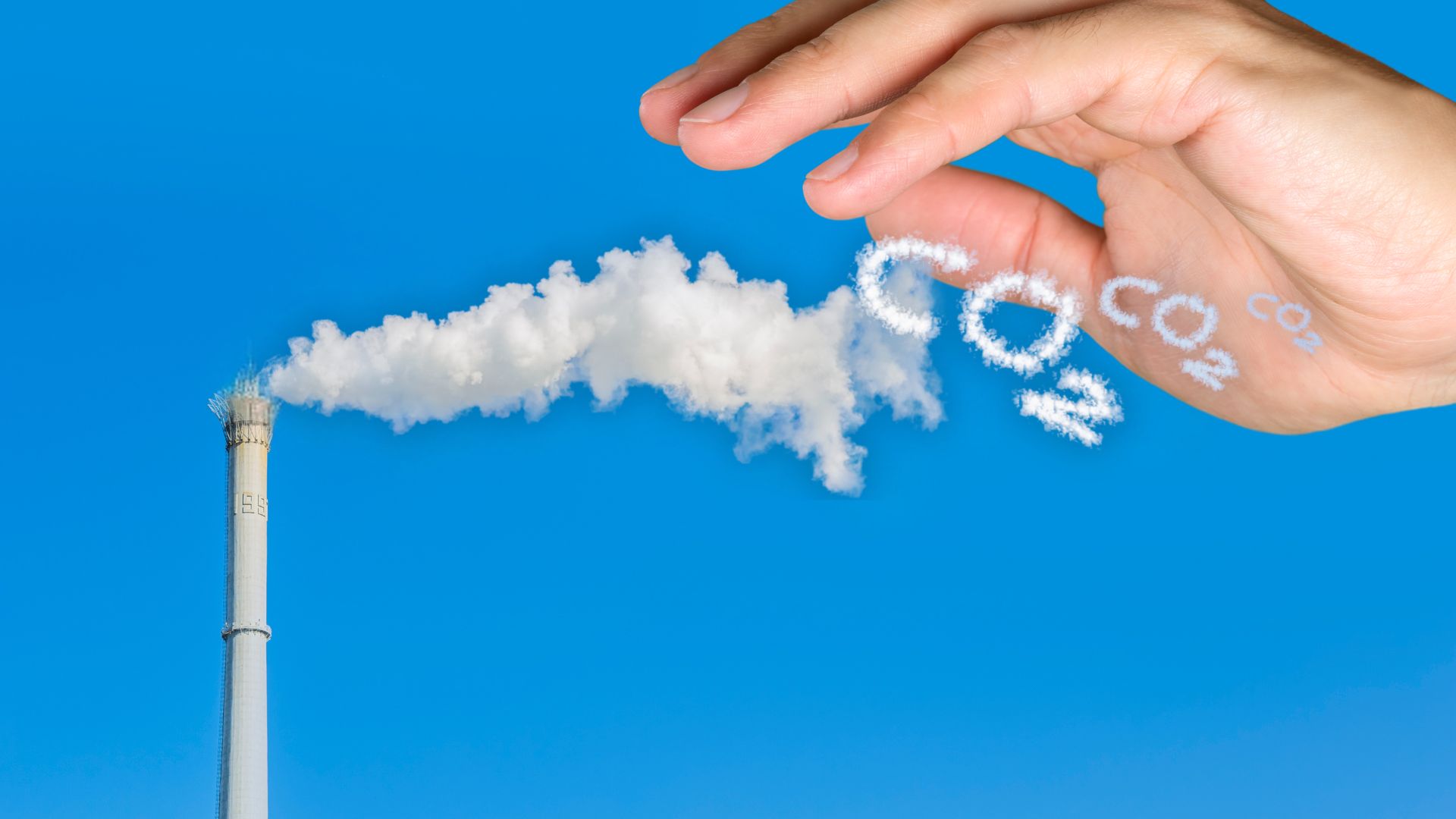 Burning waste releases carbon dioxide and toxins, contributing to climate change and poor air quality. Even when this is done to produce energy, it’s a disaster for our climate.
Hydrogen with carbon capture means that pollutants are captured, making it a far greener and more sustainable alternative.
In addition, burning waste destroys valuable materials that could be recycled or reused, which just increases demand to manufacture new raw materials, creating yet more pollution.
Burning waste releases carbon dioxide and toxins, contributing to climate change and poor air quality. Even when this is done to produce energy, it’s a disaster for our climate.
Hydrogen with carbon capture means that pollutants are captured, making it a far greener and more sustainable alternative.
In addition, burning waste destroys valuable materials that could be recycled or reused, which just increases demand to manufacture new raw materials, creating yet more pollution.
Boosting Energy Security
One of Labour’s big goals is for the UK to be more self-sufficient when it comes to producing energy – an issue highlighted by the Ukraine war’s impact on gas prices. As hydrogen can be produced in the UK, this will make us less reliant on external fossil fuel markets. Meanwhile, stored hydrogen can provide long-term energy storage, offering improved grid stability. Hydrogen can step in at times when wind or solar power are intermittent. Hydrogen also offers integration with renewables, storing excess electricity from wind and solar and making sure that surplus green energy doesn’t go to waste.Working it
Giving hydrogen the green light would mean the creation of thousands of high-skilled jobs across production, infrastructure, and research and development.
This would give the UK economy a much-needed shot in the arm, and help to propel us towards Labour’s favorite buzzword; growth.
It would also strengthen the UK’s position as a clean energy leader on the global stage, attracting more private investment.
Powering Heavy Industry
And let’s not forget that hydrogen can replace fossil fuels in sectors like heavy goods transport and shipping. Both of these industries are notoriously difficult to decarbonise but are used to transport waste, further polluting the environment.A Greener Future
If we are serious about achieving our net zero targets, we need to ditch outdated ways of creating energy. Waste incineration only serves to pollute the air and our planet, creating carbon dioxide and destroying items which we want to go into the circular economy through recycling or reuse. To create a truly sustainable energy and a better planet for future generations, it’s time to put the right incentives in place – and invest in hydrogen.How was this article?
Thanks for the feedback!