Hydrogen news
Wind energy project to help cleanly power Canada’s arctic
The northern territory of Nunavut is installing a special turbine built for Arctic weather conditions Nunavut is a territory in Canada’s far north, and it is seeking to reduce its dependence on diesel fuel by developing and installing a special wind energy turbine meant for Arctic weather. It is specially designed to generate power for Arctic buildings as well The extreme weather in the Arctic presents unique challenges to power generation and delivery. This has led to a particularly strong reliance on diesel fuel and other fossil fuels that produce greenhouse gas emissions when they’re used…
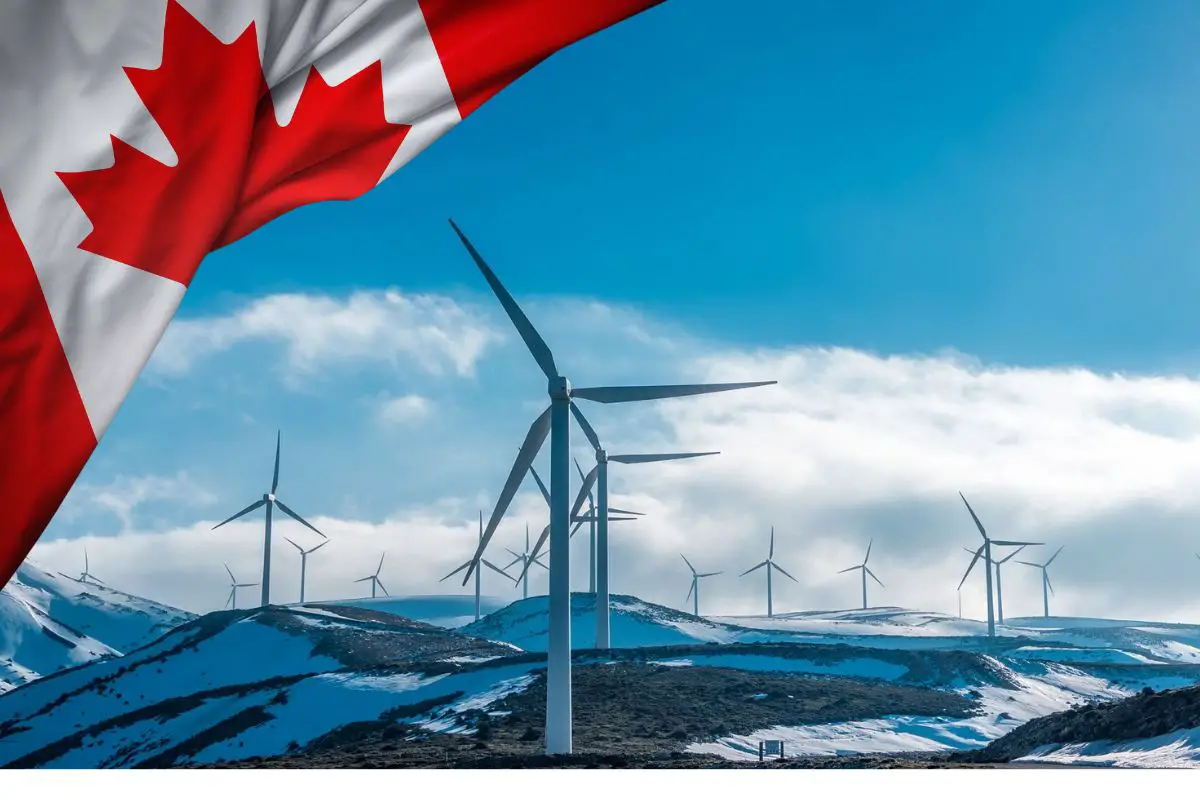
The northern territory of Nunavut is installing a special turbine built for Arctic weather conditions
Nunavut is a territory in Canada’s far north, and it is seeking to reduce its dependence on diesel fuel by developing and installing a special wind energy turbine meant for Arctic weather.It is specially designed to generate power for Arctic buildings as well
The extreme weather in the Arctic presents unique challenges to power generation and delivery. This has led to a particularly strong reliance on diesel fuel and other fossil fuels that produce greenhouse gas emissions when they’re used. Not only does this mean that meeting their power needs requires heavy pollution, but as the Arctic is among the regions feeling the impact of climate change most directly, it also means that they are trapped in a vicious cycle. The hope is that this new form of wind energy equipment will break this cycle and allow the territory to reduce its pollution levels while keeping up with its power demands.Wind energy has the potential to be a powerful solution for the Arctic
“I think it is a really viable [energy] option,” said Polar Knowledge Canada engineer and clean energy manager Jill Hass. Polar Knowledge Canada is the country’s federal agency for the advancement of arctic science and technology.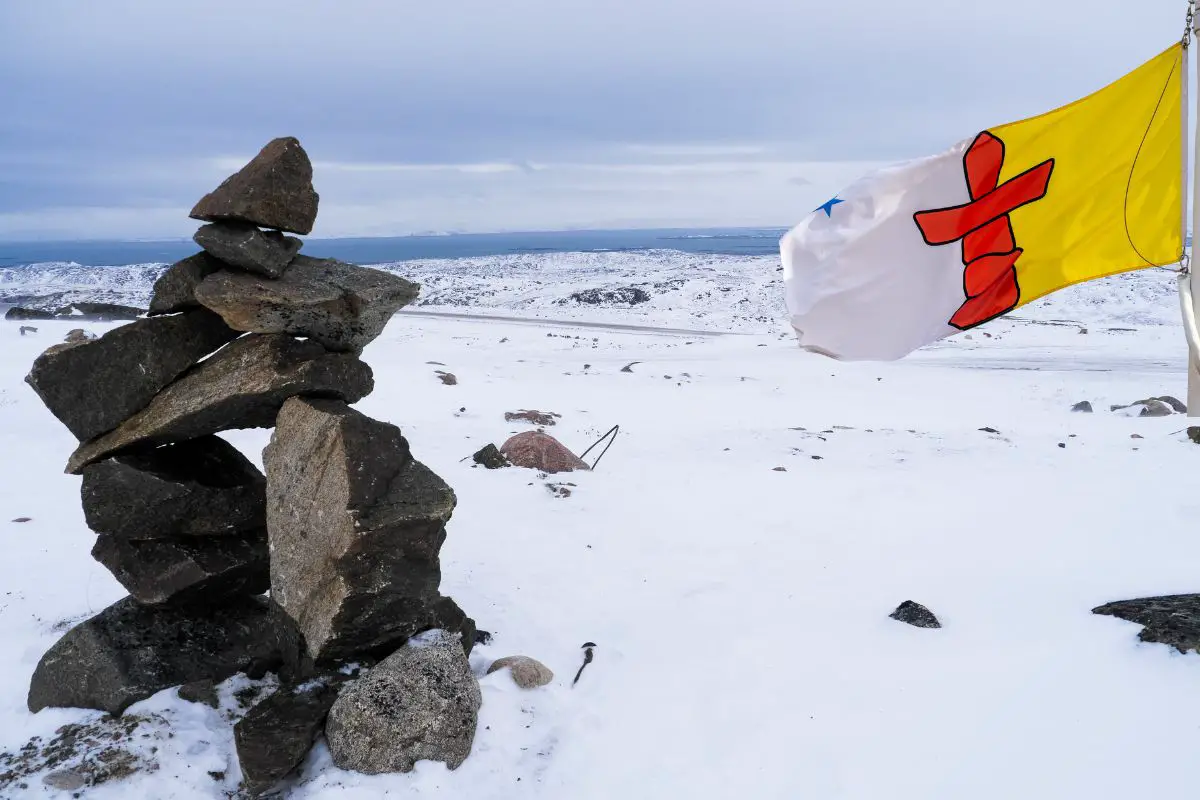 Hass’ team is collaborating with two other groups out of the Canadian High Arctic Research Station located in Cambridge Bay, Nunavut. They are working on the design of a 15-meter (about 50 feet) turbine that is meant to withstand the harsh climate for which the Arctic is known.
This effort will also go beyond Arctic use testing. According to Hass, her team also intends to share what is discovered with other Nunavut communities so that they will be able to use it to their advantage as well. The goal is to help communities throughout the territory to shrink their reliance on diesel.
Hass’ team is collaborating with two other groups out of the Canadian High Arctic Research Station located in Cambridge Bay, Nunavut. They are working on the design of a 15-meter (about 50 feet) turbine that is meant to withstand the harsh climate for which the Arctic is known.
This effort will also go beyond Arctic use testing. According to Hass, her team also intends to share what is discovered with other Nunavut communities so that they will be able to use it to their advantage as well. The goal is to help communities throughout the territory to shrink their reliance on diesel.
Replacing diesel with wind energy
Every one of the 25 community generating stations comprising the electrical system used throughout the territory of Nunavut is powered by diesel, according to data on the Qulliq Energy Corp. website. To use that fuel, it must be shipped into each of the communities, where it is stored to keep the power flowing all year. According to the website, that translated to 55 million litres (over 14.5 million US gallons) of diesel in 2018. The wind energy turbines are going to be designed to be shorter so they will be able to stand up to the Arctic weather. That said, the wind speeds are so much higher than they are farther south that they will not lose power generation potential due to the lack of height.How was this article?
Thanks for the feedback!