Offshore Green Hydrogen Production Debuts on Fully Electrified Q13a-A North Sea Platform
PosHYdon pilot produced first green hydrogen offshore on electrified Q13a-A platform, integrating offshore wind, electrolysis and existing gas infrastructure.
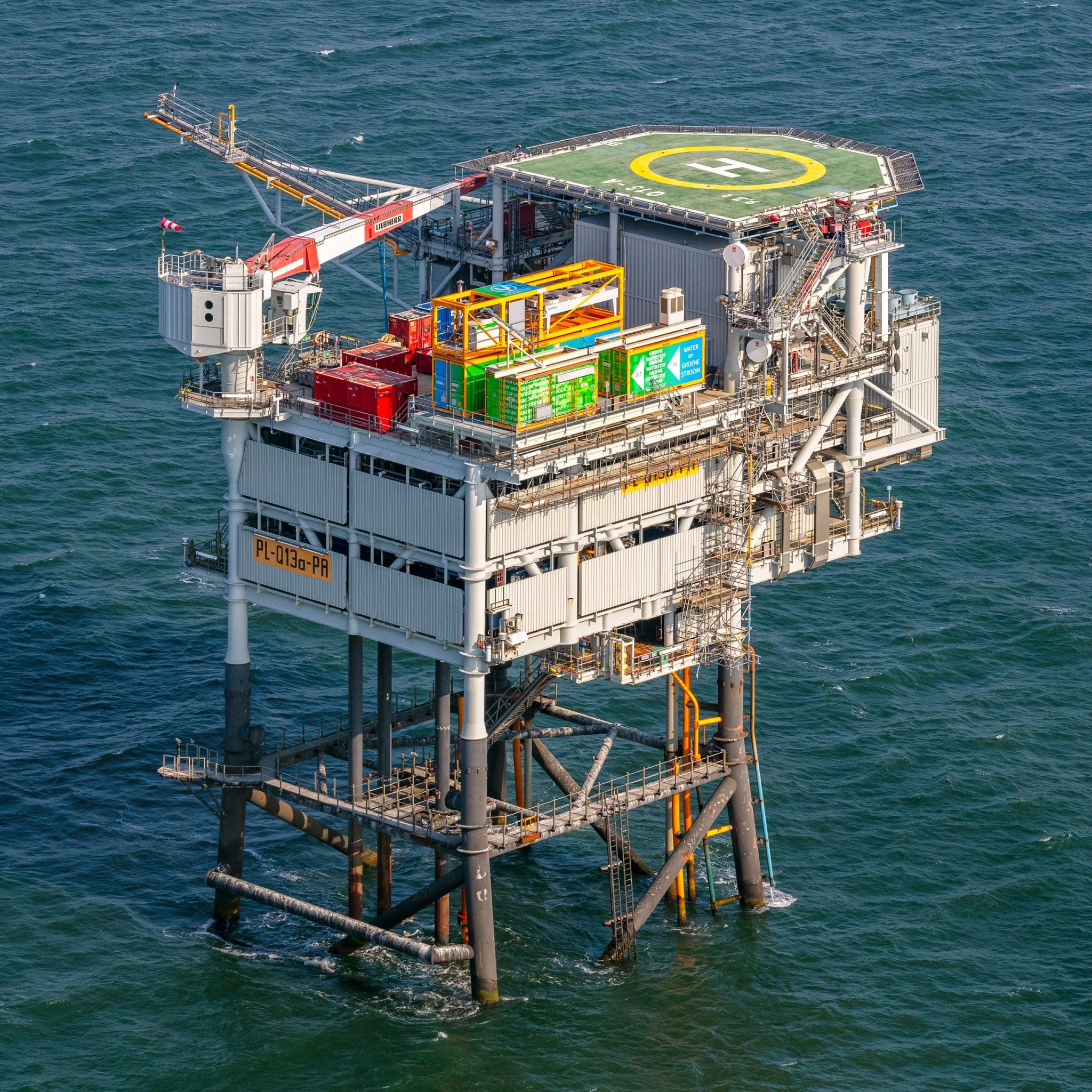
Off the coast of the Netherlands, near Scheveningen, there’s some exciting stuff happening with an offshore gas rig that’s making waves in the energy transition. The PosHYdon pilot recently celebrated a big milestone by producing its first batch of green hydrogen on the fully electrified Q13a-A platform. It’s impressive, too—it’s being called the world’s first demonstration of combined offshore wind, gas, and hydrogen systems operating together.
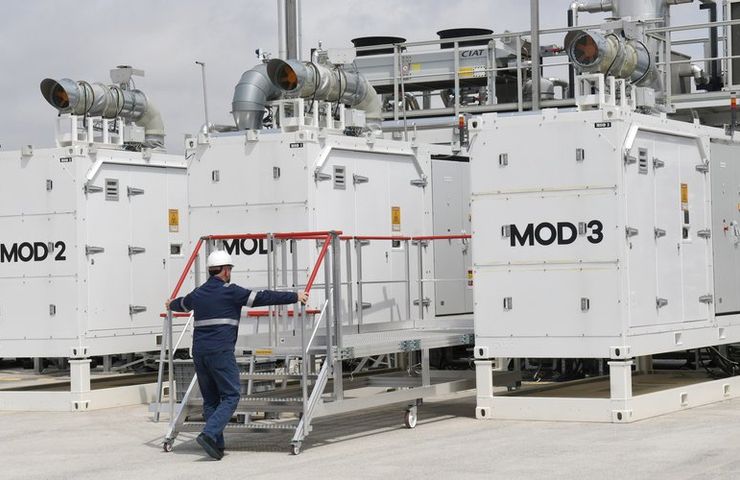
This innovative project is set about 13 kilometers off the Dutch coast in the North Sea, blending electricity from land-based wind farms with seawater electrolysis and existing gas pipelines. At the heart of this operation is a compact electrolyser unit, about 1 MW in capacity, provided by Nel Hydrogen. This unit transforms demineralized seawater into hydrogen gas using renewable energy and then mixes that hydrogen into the natural gas stream for transport back to shore through existing subsea pipelines. How cool is that?
Not only does the PosHYdon project serve as a technical sandbox for the partners involved, but it’s also paving the way for how we can integrate new technology with old methods. Teams like TNO and Nexstep are collaborating to tackle challenges related to electrolyser performance, scaling, and maintenance in the rough marine environment. Instead of building brand-new platforms, they’re making smart use of the already electrified topsides of the Q13a-A, which is connected to renewable grids. This strategy could help extend the life and utility of older oil and gas infrastructure while testing how we can host zero-emission technologies on these platforms.
Technical Deep Dive
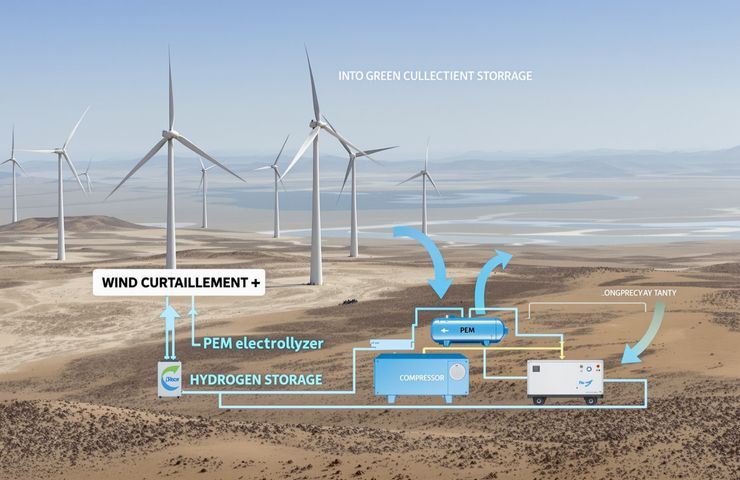
On the Q13a-A platform, the process begins with seawater going through a two-step treatment. First, the filtration and demineralization systems take out salts and impurities, creating clean water that’s good to go for a proton exchange membrane (PEM) electrolyser. When this electrolyser operates at about 1 MW of power, the magic happens: water splits into hydrogen and oxygen. The oxygen gets vented, while the hydrogen is collected, purified, and then blended with natural gas before it goes into the existing pipeline network. Throughout this operation, control systems keep a close watch on pressure, purity, and flow rates, adjusting to the power variations from offshore wind output. Detailed sensors send back valuable data on efficiency and wear to onshore centers, so they can see how everything performs under real maritime conditions.
Strategic Implications
This pilot project is making great strides toward the Dutch government’s goals of repurposing old offshore assets and cutting down emissions in the North Sea. The project received a €3.6 million subsidy from RVO, which aims to minimize the risks involved in combining wind and hydrogen technologies. For Eni Energy Netherlands, which manages the Q13a-A, PosHYdon could chart a new business model—transforming oil and gas platforms into renewable energy hubs. This approach can help maintain skilled jobs, reduce costs related to platform abandonment, and tap into the hydrogen market servicing industrial areas near the coast. Companies like Gasunie and EBN are already investigating how blended gas streams might be used in heating networks or industrial processes, hinting at a growing demand for low-carbon hydrogen through existing infrastructure.
Collaborative Framework
The PosHYdon consortium is a mix of research and industry partners. Nexstep is steering the decommissioning expertise, while TNO is leading the applied research on offshore hydrogen systems. Nel Hydrogen brought in the commercial-grade electrolyser, and engineering firms like DEME and IV Offshore & Energy managed the installation and integration. By leveraging existing subsea networks from NOGAT and Gasunie, they’ve dodged the hefty costs that come with laying down new pipelines. This collaborative effort highlights the intricate nature of building hydrogen infrastructure at sea and the need for teamwork across different sectors.
Regulatory and Environmental Considerations
Of course, moving hydrogen production offshore doesn't come without its challenges regarding safety and environmental impact. Regulators will have to adapt standards for managing hydrogen under pressure at sea, and operators will need protocols to prevent leaks and assess any potential marine impacts. The data gathered from PosHYdon on system integrity and emissions will be crucial for shaping new EU guidelines on offshore hydrogen projects. Moreover, blending hydrogen into existing natural gas networks will push the boundaries of current gas quality standards, possibly influencing future regulations about hydrogen content and separation needs.
Research and Development Landscape
Before hitting the waves, the consortium put the electrolyser and control systems through their paces during onshore trials at InVesta’s facility near Alkmaar. Engineers worked out the kinks by testing the PEM unit under simulated wind conditions and fine-tuning the water treatment setups supplied by Hatenboerwater. These preliminary tests provided critical insights on rinse cycles, membrane stresses, and ramp-up speeds, leading to design tweaks made to the Q13a-A platform. According to the project leads, taking these tests offshore showed the real benefits of using modular, containerized solutions for quick implementation.
Comparing Onshore and Offshore Hydrogen Production
When looking at hydrogen production, onshore electrolysis facilities seem to have the edge with established supply chains and easier access to the grid. However, they often deal with land constraints and competition for renewable electricity. On the flip side, offshore systems like PosHYdon can make the most of abundant wind resources without those pesky onshore grid limitations and can utilize the spare space on platforms. That said, they do face tougher environmental conditions, higher maintenance costs, and complex logistics. The results from this pilot will shed light on the trade-offs in capital and operational expenses when compared to an onshore electrolyser of similar size.
Challenges and Future Questions
Several key questions are still up in the air regarding the long-term costs of offshore hydrogen and the future market for blended gas. Without dedicated separation facilities, mixing hydrogen into the gas stream might limit how much hydrogen can be blended, which could curb decarbonization benefits. Plus, the lifespan of electrolyser membranes and the challenges posed by biofouling will play big roles in determining the total cost of ownership. Regulators and investors are sure to keep a close eye on the project as it generates valuable data on performance and safety impacts.
Global Significance
PosHYdon stands among a growing roster of pilots testing offshore green hydrogen—from the UK’s Hywind initiatives to Australia’s planned wind-to-hydrogen setups. What makes Q13a-A stand out is its operational oil and gas backdrop, turning a commercial gas site into a multi-energy hub. Success here could inspire similar retrofitting projects throughout the North Sea, Mediterranean, and beyond, helping countries meet their net-zero goals while making the most of existing resources.
Policy Momentum
European energy strategy documents are making it clear that offshore hydrogen is a top priority, but we still need financial incentives and regulatory clarity to keep things moving. The insights from PosHYdon will contribute to subsidy frameworks, grid codes, and hydrogen corridor plans. As the EU hones its regulations on renewable hydrogen production, pilot projects like this will demonstrate practical pathways and influence future funding decisions.
As PosHYdon transitions from just proving the concept to extensive trials, operators are gearing up to share performance and cost data later this year. This kind of information is going to be crucial for designing full-scale offshore hydrogen hubs, whether we’re talking about repurposed platforms or new builds. Ultimately, succeeding in offshore production could help us tap into vast wind resources and bridge seasonal gaps in renewable energy generation. For both investors and policymakers, the Q13a-A case offers a tangible look at how green hydrogen production and hydrogen infrastructure can move beyond land-based setups and help shape the next steps in the energy transition.
This project is not just about moving towards clean energy—it illustrates a promising approach for industrial decarbonization as well. While the pilot's scale is still modest, the real-world insights will be instrumental in refining technologies like electrolysis and enhancing the integration of offshore wind into hydrogen value chains. If scaled appropriately, such initiatives could play a pivotal role in fulfilling net-zero ambitions across Europe and beyond.