Ohmium and InSolare Launch 4 MW Project in Neyveli
Ohmium and InSolare are teaming up to build a 4 MW green hydrogen plant at NLC India’s Neyveli complex, demonstrating modular PEM electrolyzers powered by solar for versatile clean hydrogen production.
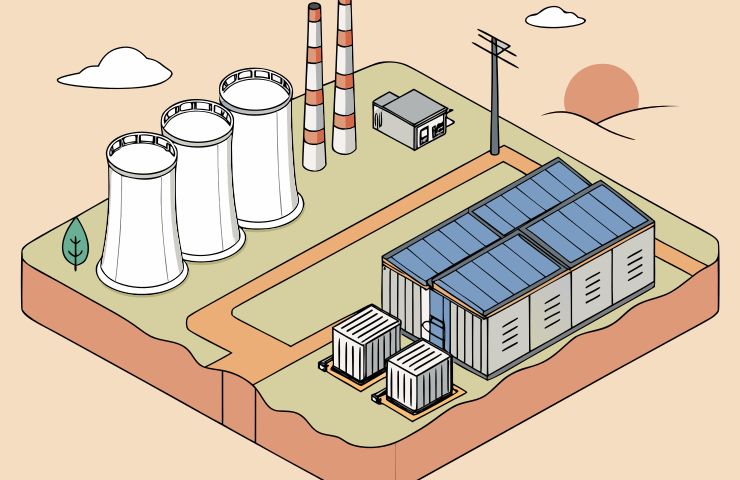
In one of India’s oldest mining towns, there’s an exciting shift happening from reliance on coal to cleaner, greener energy. At the Neyveli complex, a dynamic 4 MW green hydrogen plant is taking shape through the collaboration of Ohmium International and InSolare Energy. This isn’t just any ordinary project; it’s a bold step towards leveraging renewable energy to produce clean hydrogen, showcasing how modular technology can breathe new life into traditional power hubs.
Is This the Start of a Hydrogen Revolution in India?
Neyveli has long been known for its extensive lignite deposits and colossal power plants, making it synonymous with coal-powered electricity. However, rising concerns about air quality and climate change have led to the development of solar parks, floating solar arrays, and wind farms in the area. Now, for the first time, renewable energy is being used to directly feed an electrolyzer system, producing up to around 700 metric tonnes of hydrogen annually. This project is a clear indicator of India’s commitment to green hydrogen production.
Globally, similar pilot sites with electrolyzers are sprouting up—from the breezy coastlines of Europe to the sun-drenched states in the U.S. But what’s really special about bringing green hydrogen production to a coal-centric hub is how adaptable these hydrogen production methods can be. By placing an electrolyzer plant right in an existing power facility, they’re using local know-how and established grid connections—setting a practical example that other regions could emulate.
A Closer Look at the Electrolyzer Stack
At the heart of this plant are the PEM electrolyzers. These are compact units that employ a solid polymer membrane to split purified water into hydrogen and oxygen. Here’s how it works:
- At the anode, water molecules release oxygen, protons, and electrons through a catalyst layer.
- Protons then journey through the proton exchange membrane, while electrons travel through the external circuit.
- At the cathode, protons and electrons reunite to create high-purity hydrogen gas.
This method of hydrogen production stands out for its ability to quickly adjust to changes in solar input, thanks to its modular design—meaning multiple stacks can be put together to expand from just a few megawatts to gigawatt-size facilities. InSolare Energy is in charge of the solar EPC work and the balance-of-plant, connecting local PV arrays to the electrolyzer stack with inverters and transformers to keep everything running smoothly.
Water and Storage: The Essential Balance
Since electrolysis needs clean water, the plant includes treatment units designed to filter out impurities. After the hydrogen is generated, it can either be compressed into cylinder banks or stored in buffer tanks, allowing for flexible distribution. The operators will keep a close eye on water usage and storage efficiency, which will help guide future designs and ensure sustainability of resources.
Meet the Team Behind the Project
- Ohmium International: This US-based innovator in green hydrogen production equipment has secured around $250 million in Series C funding to ramp up the manufacturing of its modular PEM electrolyzers. They've got a project pipeline that goes beyond 2 GW, transitioning from pilot sites to significant industrial rollouts and planning to localize production in India via a new gigafactory.
- InSolare Energy: Founded over a decade ago, this Indian EPC specialist has completed over 1 GW of solar projects, including unique canal-top and floating systems. They’re now extending their expertise into hybrid renewables and hydrogen by designing comprehensive solutions that integrate solar power with electrolyzers and energy storage solutions.
- NLC India Limited: The state-owned lignite miner, which is also a power producer, is hosting this innovative plant at its Neyveli complex. With around 7.74 GW of installed capacity—nearly 1.8 GW of which is renewables—they’re actively exploring diverse applications for hydrogen, from turbines to heating kilns and potentially even in mobility.
Aligning with National Goals
This initiative aligns perfectly with India’s National Green Hydrogen Mission, which aims for at least 5 million tonnes of green hydrogen production by 2030, supported by an additional 125 GW of renewable energy capacity. The mission is projected to generate approximately 600,000 jobs and attract considerable investment in clean energy infrastructure. By showcasing a multi-application hydrogen facility within a coal-linked site, Neyveli is poised to inform policymakers as they develop standards for clean hydrogen offtake agreements and reassure investors interested in hydrogen project financing.
With government backing that provides incentives for renewable energy, infrastructure grants, and standards development, this mission is lowering barriers for entry. Experts suggest that standardized offtake terms and quality guarantees will speed up the adoption of hydrogen infrastructure across different industrial sectors.
Why This Project is Making Headlines in Clean Hydrogen News
So, why does this 4 MW plant deserve a spotlight in clean hydrogen news? Here are a few key reasons:
- Diverse applications: The hydrogen generated at Neyveli will be trialed in power generation turbines, industrial processes like kiln heating, and possibly in fuel cells for local transport—covering a broad spectrum of hydrogen infrastructure use cases.
- Supporting grid stability: The electrolyzers will absorb surplus solar output during peak times, helping to stabilize the grid and reducing waste of renewable energy.
- Boosting local economy: Jobs created for construction, operation, and maintenance will develop skills in the Cuddalore district, while local businesses will benefit from the expanded supply chains.
- Data-driven insights: Monitoring water usage, temperature control, and responsive dynamics will help shape the next generation of electrolyzer technologies and inform choices around hydrogen storage methods.
- Pathway to decarbonization: Demo plants like Neyveli pave the way for large-scale execution