Paradip Port Authority Tenders 1 MW Electrolyser for Green Hydrogen Production and Fuel Cell Bus Pilot
Paradip Port Authority has launched a tender for PMC services to install a 1 MW electrolyser for green hydrogen production and procure eight hydrogen fuel cell buses, reinforcing its Green Hydrogen Hub status and complementing an approved green fuel jetty.
This month, Paradip Port Authority kicked things off by inviting bids for a project management consultancy to tackle its exciting new green hydrogen initiative. The plan? Set up a cutting-edge 1 MW electrolyser to whip up green hydrogen right on-site at the port! This will cover everything from feasibility studies to design and execution support for the production facility. And that's not all! They've also tossed in a tender for procuring, commissioning, and maintaining eight snazzy 32-seater hydrogen fuel cell electric buses. These buses will zip around, transporting employees and visitors inside the port’s grounds. It’s all part of Paradip’s journey to become a major Green Hydrogen Hub under the Ministry of New and Renewable Energy’s National Green Hydrogen Mission.
Piloting On-Site Green Hydrogen Production
The upcoming 1 MW electrolyser is set to create hydrogen by splitting water into hydrogen and oxygen using renewable energy or grid power. There are two main electrolysis setups in play: the alkaline system with liquid electrolytes and the highly-responsive proton exchange membrane (PEM) units. Since this project is nestled within the port’s boundaries, the layout and utility routing need to harmonize with the existing cargo terminals and power substations. Consultants will be hard at work designing everything else in the plan: from water purification to power electronics, skid integration, and even oxygen venting. If we take a peek at similar 1 MW pilots, they can churn out about 140 tonnes of hydrogen a year when linked to dedicated renewables. This info will help us understand the supply-demand dynamic in a busy port environment.
Where Mobility Meets Decarbonisation
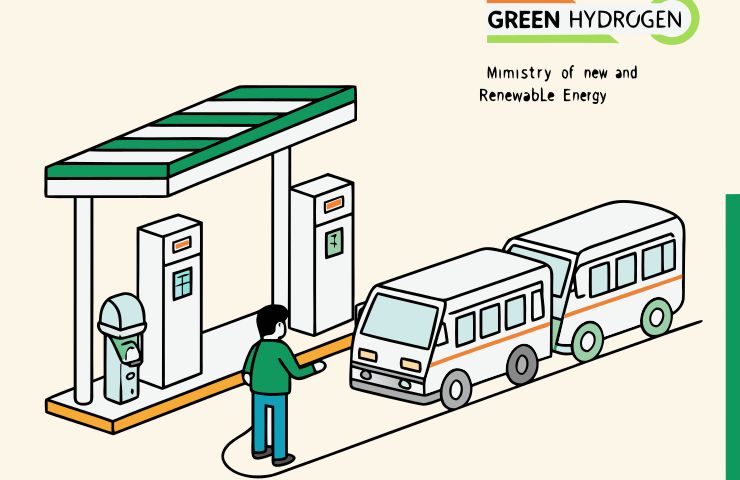
Those eight fuel cell electric buses are a practical test for fuel cell technology in a busy logistics environment. Each bus, which seats 32, comes equipped with high-pressure tanks that feed a fuel cell stack, ensuring a constant power supply, while a battery pack helps out during regenerative braking and peak energy demands. Refueling is a breeze—it takes less than 10 minutes and they typically have ranges over 300 km per charge. Operating within the secure zones of the port, these buses will collect valuable operational data, shedding light on station throughput, maintenance needs, and total ownership costs. This data will be pivotal for any future upgrades—think hydrogen terminal tractors or public transit connections, where the quick refueling of hydrogen beats the limits of battery-electric vehicles.
Strategic Context under the National Green Hydrogen Mission
The pilot project aligns beautifully with India’s ambitious goal of producing 5 million tonnes of green hydrogen each year by 2030, all thanks to supporting investments and policy backup. Under the NGHM, ports play a crucial role as demand centers for on-site decarbonization and mobility, while also being key suppliers for hydrogen exports and its derivatives. Paradip’s earlier recognition as a Green Hydrogen Hub means it can tap into federal funding, get priority land allotments, and speed up clearances. Meanwhile, the shipping ministry has also approved a BOT jetty project for green hydrogen and ammonia, further solidifying Paradip’s status as a critical energy hub in the eastern region.
Building on initiatives at V.O. Chidambaranar and Deendayal ports, Paradip is now putting hydrogen use-cases to the test within a bulk-cargo context that moves over 150 million tonnes annually. These combined efforts create a solid template for a hydrogen infrastructure network that's scalable and port-based.
Business and Partnership Implications
The ₹2.18 crore project management consultancy marks the beginning of engineering and design for this exciting venture—it's a low-risk entry point for consultants and technology providers alike. By delivering comprehensive feasibility studies, tender specifications, and solid risk frameworks, they’ll lay the groundwork for larger engineering, procurement, and construction contracts down the line. Companies specializing in electrolysers, compressors, and dispenser technologies can really take advantage of this showcase to land roles in hydrogen bunkering or large-scale upgrades.
Paradip’s budding hydrogen ecosystem is also likely to catch the eye of various green-focused industries—think steel mills, fertilizer makers, and petrochemical companies—looking for low-carbon materials. This sends a clear message to logistics providers and shipping companies that clean fuel bunkering is on the horizon. There’s a big potential for collaborations between port authorities, renewable developers, and tech companies to streamline financing, secure offtake agreements, and share the risks associated with infrastructure development.
Environmental and Regulatory Considerations
Rolling out hydrogen systems on such a scale at the port requires careful safety planning and clear risk assessments. Addressing potential leaks, jet flames, and pressure incidents means setting up gas detection systems, dedicated ventilation paths, automatic shutoff valves, and fire suppression strategies that are tailor-made for maritime operations. Electrical hazards in the high-voltage electrolysers and safely handling caustic substances (in the alkaline setups) demand robust containment, spill management, and worker protection measures. Close collaboration with port emergency responders, regulatory bodies, and local communities is crucial for securing environmental and safety approvals, along with building a trusting relationship with the surrounding area.
Scaling Lessons for Future Phases
Metrics gathered from refueling cycles, energy consumption in compressors, and equipment uptime will help fine-tune models for future expansions to multi-megawatt setups. Potential next steps could include:
As the Paradip Port Authority moves this project from concept to action, the results will definitely shape how ports around the Bay of Bengal adopt hydrogen infrastructure, paving the way for a unified network of clean energy and zero-emission transport.