Plug Power and Avina Clean Hydrogen Launch Operational Hydrogen Hub in California
Plug Power has launched the Avina Clean Hydrogen facility in Vernon, California, employing its 5 MW electrolyzer to produce hydrogen aimed at fueling heavy-duty trucks; marking a significant step toward sustainable energy.
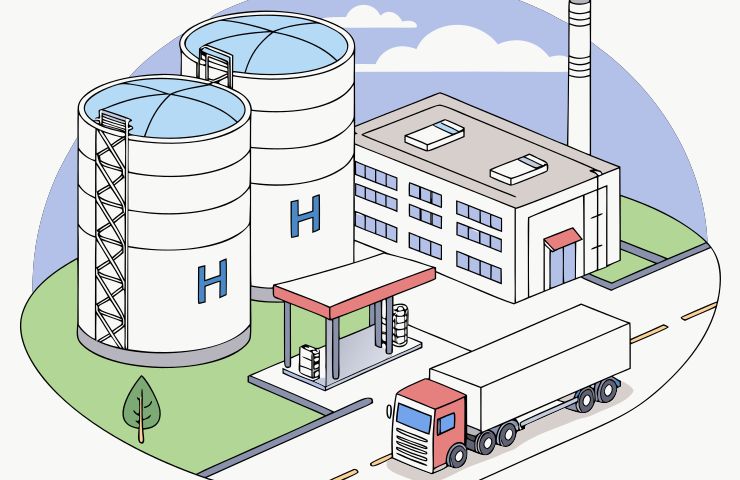
Plug Power has just announced the operational status of the Avina Clean Hydrogen facility in Vernon, California, showcasing a significant move in the ongoing shift toward clean hydrogen production. The facility utilizes a 5 MW containerized GenEco PEM electrolyzer designed to deliver 2.1 metric tons of hydrogen daily, aimed at supporting a daily fueling capacity of over 50 heavy-duty trucks. That output, Plug Power says, makes the site a local supply point for heavy-duty fleet operators who need frequent, high-pressure fills.
Connecting Hydrogen Production and Freight Transportation
Located roughly 10 miles from the Port of Long Beach, the hub sits near one of the region’s busiest freight corridors. Proximity matters: shorter hauls for fuel and easier logistics can change the economics of hydrogen use for truck fleets. The facility intends to bolster regional demand for hydrogen, primarily targeting local industrial and freight customers. Plug Power has emphasized that this installation integrates hydrogen production, vehicle fueling, and tube-trailer distribution, potentially decreasing reliance on long-distance hydrogen deliveries. In practice that means the site can both fuel trucks on-site and load tube trailers for delivery to nearby customers, keeping more of the fuel cycle local.
Technological and Operational Insights
The GenEco PEM electrolyzer operates by employing electricity to separate purified water into hydrogen and oxygen, a well-regarded technology for on-site hydrogen production. The system is modular and compact, built to be containerized for deployment in constrained urban or industrial lots. It is engineered to adapt to variable electricity supply, although its efficiency and carbon footprint depend largely on the source of electricity. Short bursts of higher output are possible when power is available; conversely, output will fall if power is limited. These are design characteristics of containerized PEM systems rather than unique claims about this site alone.
The site has been outfitted with advanced fueling infrastructure, including hydrogen compression and storage equipment, which enables efficient fueling at pressure classes of H35 and H70. Operators report that the system is designed to refill hydrogen tanks rapidly—reportedly within 30 minutes—to keep truck turn times low. Compression and storage capacity also supports tube-trailer loading, which the company says allows the facility to serve customers that cannot or do not refuel on-site. Compression and high-pressure storage are central to delivering usable fuel to heavy-duty vehicles that require H35 or H70 fills.
Strategic Implications and Future Prospects
The launch of this hydrogen hub is imbued with strategic significance. It not only offers a practical demonstration of Plug Power's electrolyzer technology but also aligns with California's aggressive zero-emission goals. State policy and regulatory pressure have pushed freight operators to consider alternatives to diesel, and facilities like this are intended to be a piece of that infrastructure puzzle. The Vernon facility exemplifies the state's commitment to transitioning to zero-emission freight with its focus on hydrogen solutions, amidst ongoing air quality concerns due to heavy-duty diesel vehicles.
Plug Power maintains a target of achieving positive EBITDAS in the fourth quarter of 2026, aiming to convert commercial activities into profitable outcomes. Although the company has reported approximately $201 million in revenue for the third quarter of 2026, it remains essential to verify operational performance and customer adoption rates moving forward. Revenue figures and near-term profitability goals are one measure; how quickly fleets sign long-term offtake agreements and how the site performs in day-to-day operations are separate considerations that will shape whether the project meets commercial expectations.
Challenges and Market Dynamics
As hydrogen projects advance in the industry, financial viability remains a primary concern. The success of the Vernon facility hinges on several dynamic factors: the prices of electricity and hydrogen, equipment reliability, water resources, truck adoption rates, and available market incentives. Each of those variables can swing unit economics. High electricity costs, for example, raise the cost per kilogram of hydrogen; low truck uptake can leave capacity underused. Water supply and equipment uptime also affect operating costs, and incentive structures will influence how attractive hydrogen appears to fleet operators.
While the press release from Plug emphasizes design targets and expected capacities, actual operational metrics need independent verification to confirm economic success. Independent data on run hours, capacity factor, average fill times, hydrogen purity, and delivered cost per kilogram would clarify the facility’s commercial performance. Until such metrics are available, statements about design capacity and intended daily output remain targets rather than audited results.
A Local Step Toward a Sustainable Future
The Avina facility stands as a hopeful illustration of what can be achieved through targeted investments in hydrogen infrastructure. With state support for hydrogen production initiatives, particularly for truck fueling stations, the project not only represents a step forward in infrastructure but also offers a potential model for similar advancements across the nation. Local deployment that combines production, fueling and distribution into one site is a template that proponents argue could reduce logistics costs and accelerate adoption if the economics line up.
As the quest for sustainable energy solutions continues, the operationalization of hydrogen hubs like that in Vernon will play a critical role in demonstrating the feasibility of hydrogen as a viable fuel source for the future. Observers will be watching for real-world operating data, fleet commitment levels, and the interaction of electricity markets and policy incentives. Those factors will determine whether this and other hubs move beyond demonstration and into sustained commercial service.