Plug Power Ditches DOE-Backed Green Hydrogen Plant in Pivot to Data Center Power
Plug Power abandoned its DOE-backed green hydrogen plant at STAMP, selling the site and substation to Stream Data Centers for $132.5 million as it pivots from large-scale hydrogen projects to data center power.
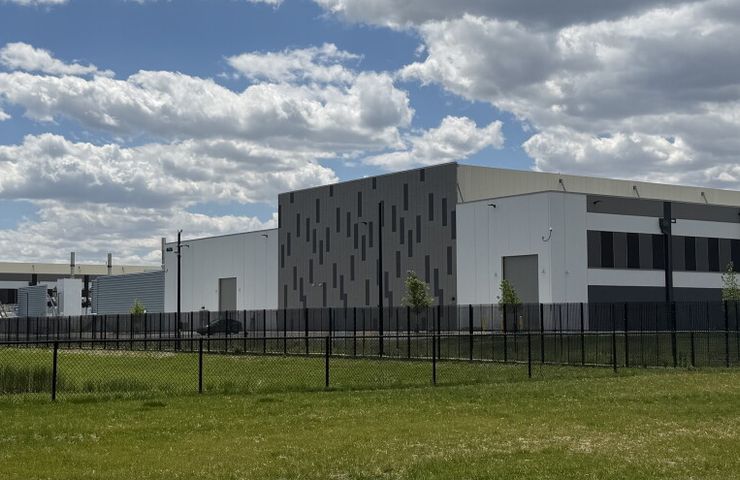
Plug Power has made a big move by selling off its ambitious plans for a 120 MW green hydrogen plant at the STAMP industrial park in western New York. They've handed over the land and a 450 MW substation to Stream Data Centers for a hefty price tag of at least $132.5 million. This comes as a blow to a federally supported hydrogen initiative that once thrived under a $1.66 billion DOE Title 17 loan guarantee.
But this isn’t just about dollar signs; it’s a wake-up call. When it comes to large-scale green hydrogen projects, relying on public funding can be a rollercoaster ride. As policies shift, costs rise, and investors start to worry, these once-promising projects can quickly fall apart. For those keeping an eye on hydrogen production, the takeaway is loud and clear: while federal backing can speed things up, it doesn't make projects immune to financial hiccups or political changes.
What You Need to Know: Plug Power snagged a conditional Title 17 loan guarantee to fund up to six electrolysis and liquefaction facilities across the country. However, shortly after securing that guarantee, rising costs and a policy review threw a wrench in the works. Plug had to hit the brakes, warning their investors that the loan was now at risk. So, as part of a $275 million effort to improve cash flow, the company decided to ditch the STAMP plant and cash in on some of its infrastructure.
Lessons from the DOE Loan Program
The DOE’s Loan Programs Office rolled out Title 17 with the goal of kickstarting clean hydrogen hubs by drawing in private investment through government guarantees. Plug’s retreat from such a hefty $1.66 billion guarantee—worth around $1.55 billion in principal— shines a light on how fragile these megaprojects can be when political climates shift and prior commitments are put on hold by administrative reviews.
Technical Snapshot
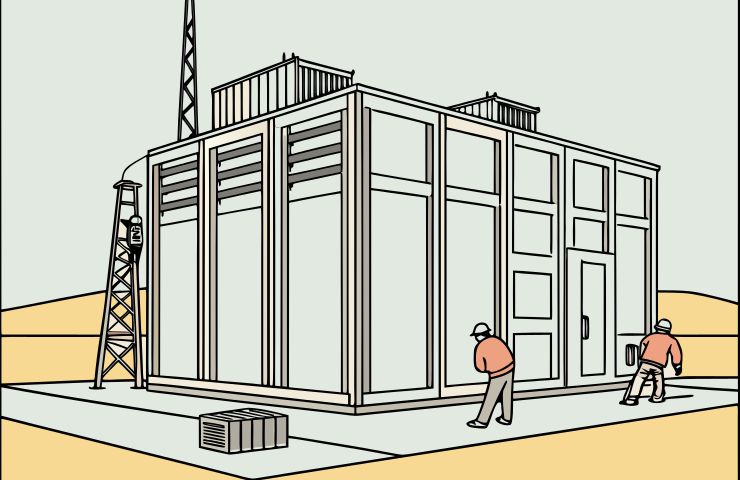
Plug Power's initial vision involved using PEM electrolyzers to split water into hydrogen and oxygen using electricity sourced from renewable energy. They planned to pair this with cryogenic liquefaction systems to enhance energy density. The idea at the STAMP site was to bring together 120 MW of electrolysis capacity with a powerful 450 MW substation, generating low-carbon hydrogen suitable for everything from material handling to powering stationary systems.
From Forklifts to Hydrogen Hubs
Plug Power, which got its start in the late 1990s making fuel cell systems for forklifts and warehouse machinery, has shifted gears. By the early 2020s, they were looking to expand and went on a mission to integrate vertically—snapping up electrolyzer assets and securing renewable power, all in an effort to set up a network of large hydrogen plants in different states.
Debt and Cost Pressures
However, with big ambitions come hefty bills. Plug has reported net losses of over $1.6 billion against about $710 million in revenue, largely due to escalating capex costs tied to hydrogen pipelines, liquefaction plants, and storage solutions. To tackle this, they've launched a liquidity program aimed at raising $275 million through asset sales, which includes everything from electricity offtake rights to idle facilities, culminating in the major divestiture of the STAMP site.
Modular vs Megaproject Debate
There’s a hot debate going on about whether bigger is always better. Advocates of large-scale projects argue that they help drive down unit costs, but the fate of the STAMP plant raises some questions about that logic. Modular electrolyzers can be deployed gradually and come with firm offtake contracts, while massive plants carry a lot of risks: a policy shift can halt construction, lenders can hesitate, and before you know it, the whole project can stall. It seems a leaner, contract-driven model might be a safer bet in the long run.
Strategic Pivot
Instead of chasing after those massive hydrogen projects, Plug is now turning back to its core business of fuel cell stacks and looking for short-cycle deals, particularly in stationary power for data centers and microgrids. Selling off their high-voltage infrastructure to Stream Data Centers not only provides them with some much-needed cash but also positions them to deliver integrated fuel cell backup and primary power systems—where the returns on investment are more immediate.
Policy and Grid Competition
The transformation of STAMP into a data center hub highlights a new battleground for our limited grid resources. The big question now is whether underused hydrogen infrastructure will take a backseat to power-hungry server farms. Regulators and local communities face a tough choice: do they prioritize building decarbonized hydrogen hubs, or do they lean into the electricity demands of the digital economy?
What’s Next for Plug Power?
Looking ahead, it seems Plug’s next chapter is more about a strategic pullback rather than charging full steam ahead down the hydrogen highway. We can likely expect more agreements around fuel cell supply, energy-as-a-service contracts, and partnerships with data center operators. The once-bright dream of a nationwide network of hydrogen megaplants is flickering out, replaced by a more focused approach on asset-light, contract-driven models.
Analyst Take
This whole episode serves as a cautionary tale: while federal guarantees can help ignite ambitious clean hydrogen initiatives, they don’t guard against market fluctuations or political unpredictability. Investors and policymakers ought to favor more flexible, modular strategies and ensure long-term offtake agreements to avoid the risk of hydrogen hubs ending up powering servers instead of fueling clean energy vehicles.
Final Thought: The STAMP saga really makes us reconsider whether hydrogen can realistically compete for land and energy in a landscape that’s already heavily occupied by digital infrastructure. Until it can prove its commercial viability on its own, large-scale green hydrogen is likely to stay more of a hopeful ambition than a practical reality.