Pt–NiO Interface Catalyst Poised to Transform Green Hydrogen Production
Nottingham-led team used low-voltage TEM and synchrotron techniques to film Pt–Ni nanoclusters forming dynamic Pt–NiO interfaces, unlocking new leaps in green hydrogen production catalysts.
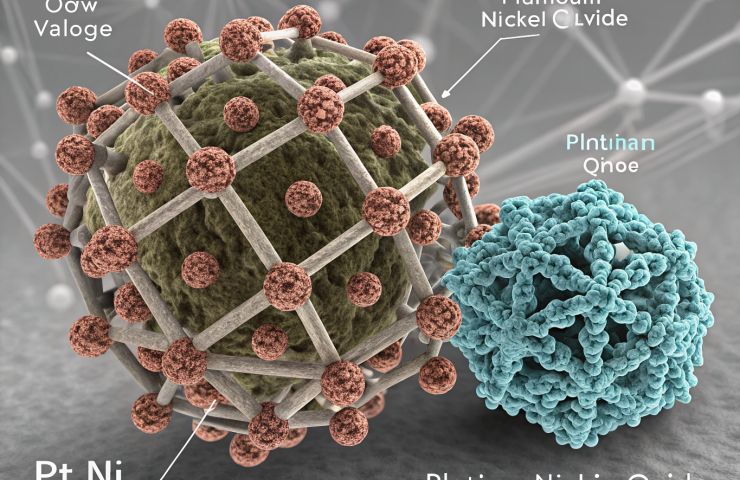
Forget your old-school catalysts! Those Pt–Ni nanoclusters are transforming the game in green hydrogen production. Imagine scientists peering through a fancy low-voltage electron microscope, seeing how atoms shift and rearrange to create a platinum–nickel oxide (Pt–NiO) interface that really amps up electrolysis performance. This isn't just some flashy gimmick; it’s a glimpse into how catalysts might self-optimize in real-world hydrogen production systems.
So, What’s the Big Deal?
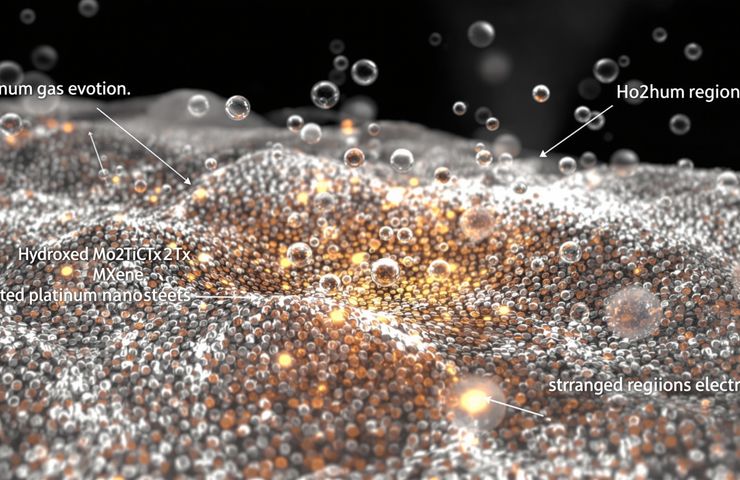
A research team from the University of Nottingham, alongside partners from Ulm University, Diamond Light Source, and University of Birmingham, used cutting-edge microscopy and synchrotron tools to decode how these nanocatalysts come to life. They utilized the SALVE low-voltage transmission electron microscope (TEM) to film what happened when a few dozen atoms of platinum and nickel rearranged themselves in real time. The nickel zones quickly grabbed oxygen, transforming into NiO, while platinum held onto its metallic form. According to the researchers, these revolutionary Janus particles produced record-breaking hydrogen evolution, though they’re keeping the exact numbers under wraps for now.
Why Does This Matter?
This energetic Pt–NiO interface could allow electrolyzer manufacturers to cut back on platinum usage by designing catalysts that adapt as they work. We’re talking about less platinum, better performance, and a fresh perspective on hydrogen production methods. Who wouldn’t want to see atoms on the move like that?
Breaking It Down
Typically, high-resolution TEM guns fire powerful 200–300 kV beams that can damage delicate materials. But here, the SALVE instrument operates at a much gentler 30–80 kV, using ultra-thin graphene supports to minimize any unintended effects. At these lower voltages, you get a clear view while keeping everything intact. The team meticulously calibrated the electron dose to mimic the thermal and electrical conditions of an operating electrolyzer, ensuring that what they observed under the microscope matched up with actual behaviors in the cell.
Dr. Emerson Kohlrausch handled a lot of this in situ work at Nottingham’s Nanoscale & Microscale Research Centre, capturing fascinating footage of atomic rearrangements. “You can see them move, separate, and oxidize,” he describes. Platinum tends to congregate on one side, while nickel heads to the other—hence the analogy to “living creatures.” Thanks to Professor Ute Kaiser and her decade of working on the SALVE project at Ulm, they achieved incredibly high precision in imaging and kept any damage to a minimum.
After the imaging wrapped up, they sent the samples to Diamond Light Source for advanced X-ray absorption spectroscopy, which further validated these findings by analyzing them under actual operating conditions. Those synchrotron measurements verified oxidation states and the local structure, confirming a model where a metallic Pt side teams up with a NiO side. During hydrogen evolution, the Pt section takes care of proton reduction while the NiO sites help with water absorption, hydroxide interactions, and local fields. This synergy reduces overpotential and boosts the activity of each platinum atom—crucial for viable green hydrogen production.
Looking Back
Platinum has long been the go-to material for hydrogen evolution reactions thanks to its ideal hydrogen binding and resistance to acids. Yet, its high cost and supply issues drove researchers to explore different avenues, like alloying and utilizing more accessible materials. Nickel catalysts showed potential but fell short in activity levels. Over the past two decades, advances in interface engineering—embedding platinum atoms within NiO or developing PtNi alloys—have improved performance, but understanding how those active sites form was still a mystery. This study finally sheds some light on that process with atomic-scale videos.
Teamwork and Funding
This project showcases what can happen when institutions collaborate—combining Nottingham’s electron microscopy with Ulm’s innovative SALVE instrument, the brilliance of Diamond’s synchrotron beams, and Birmingham’s expertise in hydrogen systems. With funding from the UK’s EPSRC MASI program, it highlights how vital public investment is for clean energy breakthroughs. In the world of clean hydrogen news, it points out that having shared resources—from graphene-supported TEM grids to in situ electrochemical cells—is just as critical as the materials themselves.
Strategic Moves
Concerns about platinum shortages and fluctuating prices loom large in the electrolyzer sector. By orchestrating cooperation between Pt and NiO at the atomic level, this design minimizes platinum usage while maximizing nickel’s abundance. This approach could help alleviate supply chain pressures and cut capital expenses for hydrogen production stacks. Thanks to the UK's EPSRC MASI program supporting fundamental science and national facilities like Diamond Light Source speeding up the characterization process, we’re witnessing a splash of fundamental research feeding clean tech.
Next on the agenda is solid industry partnerships. Electrolyzer manufacturers and catalyst suppliers must test this dynamic interface concept under real-world currents and temperatures. If all goes well, we could see a reshaping of the economics around hydrogen infrastructure—think slimmer catalyst layers, lower operating voltages, and longer lifespans. This is definitely a moment for investors and policymakers to pay attention to: real-time validation might just become the gold standard for catalyst claims.
This Isn’t Your Grandfather’s Pt–NiO
We’ve seen single platinum atoms on NiO or core-shell structures, but those methods relied on snapshots taken outside the action. This new work offers a live view of how active sites form—bridging theory and real-world application. It shifts interface engineering from the lab bench to an engaging atomic movie format, which is a significant leap forward.
Why Should We Care?
Decarbonizing industries like steel, chemicals, and heavy transport hinges on scaling up green hydrogen. Every tiny volt saved during electrolysis translates to significant power demands and potential savings in capital expenditures. By reducing platinum use and enhancing catalyst activity, adaptable catalysts can speed up project financing, slim down electrolyzer designs, and make it easier to set up green hydrogen plants. This is vital hydrogen energy news for the journey toward a decarbonized future.
My Perspective
Yes, lab accomplishments are impressive, but when you move to real-world setups, things can get complicated with fouling and temperature changes. Will those Pt–Ni nanoparticles hold up after many hours in action? We’ll have to wait for long-term stability tests to find out. Still, the insights gained here could be game-changing. It prompts R&D teams to reconsider: if we can watch atoms dance, why are we still designing catalysts in the dark?
The Road Ahead
Get ready for more labs to dive into real-time insights. Advanced microscopy isn’t just a fancy tool; it’s becoming essential for smart catalyst design. Electrolyzer makers should consider budgeting for partnerships with facilities like SALVE and synchrotrons. If you’re crafting the next generation of stacks, make sure you demand proof that the catalyst performs well in real situations, not just on paper. Otherwise, you might be operating blind.
Will these dynamic interface catalysts find their way into commercial electrolyzers within the next five years? I’m optimistic—but only if the industry embraces transparency at the atomic scale. That’s the moment when we might truly see hydrogen production evolve from an art form to a hard science.