Rising Challenges for Green and Low-Carbon Ammonia Projects Amidst Growing Demand
Fertiglobe CEO Ahmed El-Hoshy outlines current challenges for green ammonia projects amid rising costs and supply-chain issues, while highlighting progress with Project Harvest.
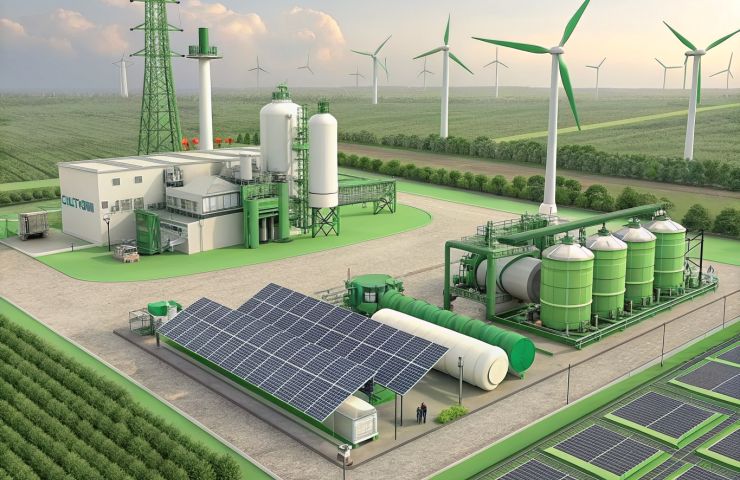
This month, Fertiglobe CEO Ahmed El-Hoshy highlighted significant obstacles hindering the growth of green and lower-carbon ammonia projects during a recent panel at the international energy conference, ADIPEC, held in Abu Dhabi. He named a cluster of interlocking problems: rising construction costs, extended procurement lead times, supply-chain disruptions, and geopolitical uncertainties. Each of those factors, El-Hoshy suggested, works against timely project delivery and increases the capital and operational risk for developers and investors alike.
The core of these challenges is the interplay between industrial demand and the critical-path needs of modern energy infrastructure. In particular, demand from sectors like artificial intelligence data centers has intensified competition for vital electrical equipment. Items such as high- and medium-voltage switchgear and power transformers are now in short supply relative to need. El-Hoshy pointed out that procurement timelines for this essential equipment have drastically increased, creating bottlenecks for hydrogen and ammonia projects and forcing developers to revisit schedules and contingency plans.
One telling example involved a Fertiglobe project in Egypt, which faced an eight-week delay when equipment remained held outside Salalah Port in Oman. That single delay, simple on its face, had knock-on effects across commissioning and contractor sequencing. Additionally, disruptions in the Strait of Hormuz have added layers of uncertainty to equipment deliveries, which is critical for maintaining operational efficiency. The combined impact of port congestion, rerouting and geopolitical friction lengthens timelines and raises costs for projects that depend on just-in-time logistics.
Project Harvest: A Beacon of Hope
Despite these hurdles, Fertiglobe has made significant strides with Project Harvest, a lower-carbon ammonia facility located in Ruwais, Abu Dhabi. The project is designed to produce approximately 1 million tonnes per year of ammonia and is set for commercial operation by 2027, having reached its final investment decision (FID) in July 2024. Those milestones reflect a deliberate effort to de-risk development before moving to execution. The strategic collaboration with partners like Mitsui & Co., Ltd. and GS Energy positions Fertiglobe to respond effectively to anticipated market demands in Asia and Europe, combining capital, market access and operational know-how.
This facility aims to capitalize on existing logistics and industrial infrastructure, offering a vital pathway to facilitate cleaner ammonia production. Using established ports, pipelines and handling facilities reduces the amount of new build required and can shorten lead times for critical supply chains. Nonetheless, the project exemplifies the larger trend noted in the industry where only those with secured off-take agreements and established infrastructures can advance rapidly through developmental phases. In practice, that means projects with long-term buyers and pre-existing export and storage capabilities move ahead while others stall at permitting or financing stages.
The Bigger Picture: Industry-Wide Implications
The broader implications of the current climate are significant, as El-Hoshy emphasized that many green and lower-carbon ammonia projects may face delays or cancellations if the supply chain and cost structures do not improve. The international energy body, International Energy Agency (IEA), supports this view, identifying high costs, regulatory uncertainty, and weak offtake commitments as substantial barriers to progress within the sector. Taken together, those barriers can shrink the pool of bankable projects and slow the deployment curve for cleaner ammonia at scale.
Additionally, as infrastructure strains from AI-driven energy demands continue to mount, projects that depend heavily on transformers and other electrical equipment may need to rethink their timelines and strategies. Project teams are being forced to weigh alternatives: delay until equipment becomes available, redesign to use different specifications, or phase work to match available resources. An over-reliance on dated industrial practices could indeed hinder the sector's transition toward more sustainable operations. Hence, solutions that encompass more flexible feedstock arrangements and phased project rollouts, leveraging existing systems, could be more viable moving forward.
In conclusion, while the path to sustainable ammonia production is fraught with challenges, innovations like Project Harvest serve as important milestones in the ongoing transition toward cleaner energy. The strategic partnerships and attention to infrastructure and logistics are essential in realizing the potential of green and low-carbon ammonia as a staple in the future energy landscape. If supply-chain pressures ease and off-take frameworks firm up, projects already at advanced stages will be best placed to scale; if not, the industry will need to adapt its planning and financing approaches to the new constraints.