Sasol and Envision Energy Launch Green Hydrogen Design Study at Sasolburg
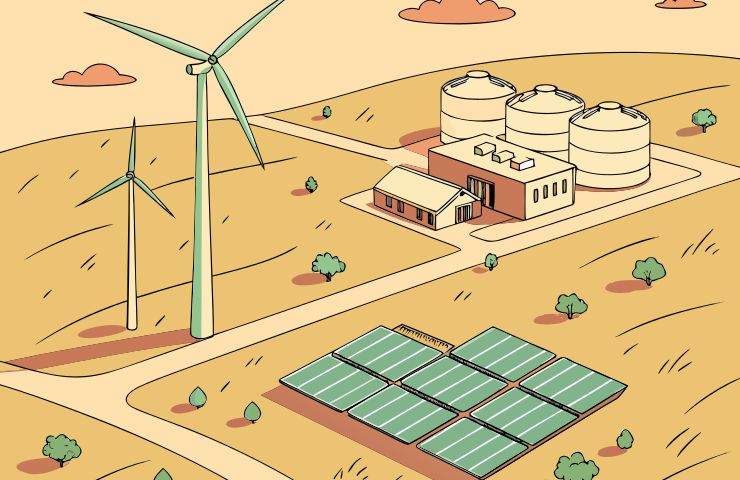
Sasol and Envision Energy have launched a design study to assess an integrated green hydrogen system at Sasolburg, evaluating renewables, storage and electrolysers.
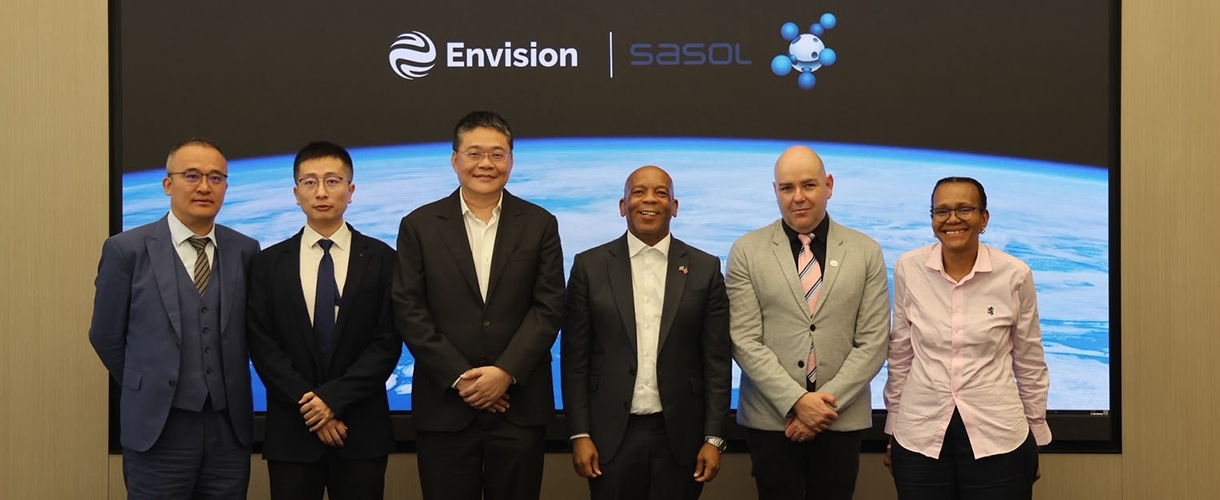
Sasol has teamed up with Envision Energy to dive into a detailed design study aimed at creating an integrated green hydrogen system at its Sasolburg facility in the Free State of South Africa. This study is all about exploring how we can bring together renewable energy sources, battery storage, and electrolysis technology to churn out green hydrogen in a cost-effective way. They’re also looking at downstream options, like synthetic fuels such as eMethanol and sustainable aviation fuel (eSAF). This exciting news was shared during a visit from South Africa’s energy minister to Envision’s demonstration site in China, really showcasing how both countries are backing hydrogen infrastructure development. The study is set to take Sasol's multi-phase decarbonization pathway from the pilot stage right to full engineering design, with results expected by late 2026.
Strategic Rationale
By partnering with Envision Energy, Sasol is shifting gears from just having broad hydrogen goals to seeking real, practical validation. This collaboration is all about leveraging Envision’s expertise in system integration to find out if green hydrogen can actually support lower-carbon fuels and chemicals at a larger scale, all while keeping Sasol's core industrial operations intact. Notably, this partnership highlights the growing cooperation between South Africa and China in the realm of industrial decarbonization, especially as both nations work to localize low-carbon supply chains and create export markets.
Site Background
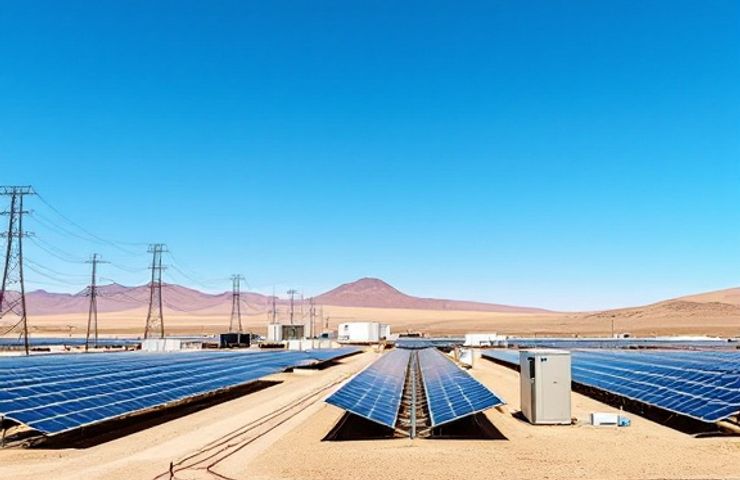
Sasolburg is already home to some initial hydrogen pilot projects, with small amounts of green hydrogen being produced thanks to a 3 MW solar PV setup linked to existing electrolyser assets. They’ve even got a 69 MW wind power agreement to back up further testing. This existing infrastructure not only cuts down on the time needed to integrate everything but also brings to light some grid challenges and water resource issues that the region needs to tackle.
Technical Scope
Envision Energy’s study will design an integrated energy system that includes:
The study's outcome will include estimates for capital costs, operational scenarios, and assessments of integration risks, focusing heavily on producing green hydrogen at costs that support the synthesis of eMethanol and the production of eSAF.
Market and Policy Landscape
South Africa’s green hydrogen strategy is banking on its rich wind and solar resources while aiming to create both local and international markets. However, the sector faces some bumps in the road, such as high electrolyser costs, water shortages, and grid limitations. Experts highlight that to really make a mark in this market, issues like financing, creating demand, and addressing lifecycle emissions need to be sorted out. This design study by Sasol is considered a step to reduce risks, offering crucial data on technical feasibility, cost competitiveness, and market readiness before making a full investment decision.
Environmental and Infrastructure Considerations
While green hydrogen has the potential to greatly lower process emissions and facilitate cleaner fuel pathways, ramping up electrolysis could put more strain on local water supplies and power networks. Therefore, this design study will also have to tackle challenges related to water sourcing, environmental permits, and logistics surrounding hydrogen storage and handling. It will be vital to coordinate with local renewables and grid improvements to prevent bottlenecks and ensure a reliable power supply for electrolysis.
Key Takeaways
Timeline and Next Steps
The detailed design phase is scheduled to wrap up in 2026. Based on the technical and commercial findings from this study, Sasol will decide whether to move forward with building a green hydrogen facility in Sasolburg. Key factors to consider will include the cost of hydrogen production, availability of renewable energy, water usage, and the demand for synthetic fuels in the market.
Conclusion
This collaboration is a pivotal move in the journey from pilot projects to actual project design. By examining how renewable power, batteries, and electrolysers can be integrated, Sasol is looking to confirm green hydrogen's role in reshaping its industrial landscape. The results will play a significant role in determining the feasibility of large-scale green hydrogen production and synthetic fuel manufacturing, ultimately influencing South Africa’s growing hydrogen economy.