Sunshine Green Hydrogen Ships First AEM Electrolyzer to Singapore,
Zhejiang Sunshine Green Hydrogen has shipped its first AEM electrolyzer to Singapore, marking a significant move in green hydrogen production and the company's entry into the international market.
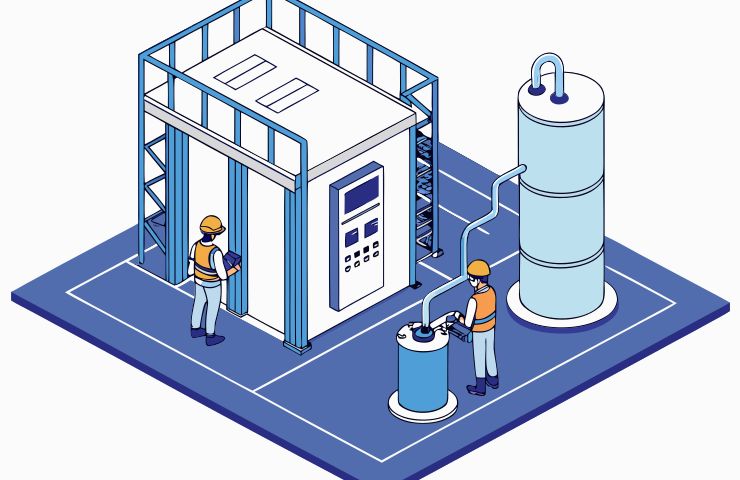
Zhejiang Sunshine Green Hydrogen Technology Co., Ltd. has successfully completed factory acceptance verification of its first anion exchange membrane (AEM) electrolyzer and shipped the unit to Singapore. This shipment signifies both the company's inaugural export order and the debut of its self-developed electrolyzer being deployed at an international project site.
Sunshine Green Hydrogen is a wholly owned subsidiary of Zhejiang Sunshine Lighting Electrical Appliance Group Co., Ltd., commonly known as Yankon. Initially engaged in LED lighting, Yankon has diversified into green hydrogen technology through its commitment to renewable energy and sustainability. The company has positioned itself to play a significant role in the hydrogen economy, specifically focusing on the AEM electrolyzer technology.
The AEM Technology Explained
The AEM technology is a promising water-splitting method that uses a solid anion exchange membrane. It operates in an alkaline environment and offers several advantages: it is typically less expensive due to reduced reliance on expensive platinum-group catalysts, has a modular design that can adapt to different energy inputs, and can respond dynamically to the variable nature of renewable electricity sources.
Electrolyzers function by applying electricity to water to generate hydrogen and oxygen, essential components for various applications in industries and clean energy infrastructure. AEM technology aims to bridge the benefits of conventional alkaline and proton exchange membrane (PEM) electrolysis systems, both of which have their own limitations. While the technology appears promising, it still faces unresolved challenges surrounding membrane stability, conductivity, and long-term operational reliability.
Significance of the Shipment
This shipment holds strategic importance for both Sunshine Green Hydrogen and the broader hydrogen industry. It demonstrates the company's transition from domestic development to participating in the international hydrogen market, which is increasingly focused on establishing practical supply chains. Furthermore, Singapore's National Hydrogen Strategy, announced in October 2022, emphasizes the role of hydrogen as a complement to solar power and other low-carbon energy sources, making the destination particularly relevant.
Singapore aims to diversify its energy sources, with projections suggesting hydrogen could supply up to half of the nation’s power needs by 2050. The government's commitment to pathfinder projects and infrastructure planning surrounding hydrogen production and storage demonstrates the country’s strategic focus on becoming a hub for green hydrogen technology.
Cooperation and Future Prospects
According to available resources, Sunshine Green Hydrogen has engaged in collaborative efforts with local institutions such as Zhejiang University’s Institute of Special Equipment and Tianjin University Shaoxing Research Institute. While the details of the Singapore project and its specific application remain undisclosed, the shipment signals potential for further international cooperation.
The Singapore-based materials enterprise assisting with the project has not been publicly named, leaving some uncertainty surrounding the logistics and operational aspects of the deployment. This ongoing ambiguity underscores the importance of transparency as projects develop within new and emerging technologies such as AEM electrolysis.
The Path Ahead
This first shipment to Singapore is not merely an export milestone; it sets a precedent for future international projects involving green hydrogen. However, the successful commissioning and operation of the electrolyzer are critical for validating the technology's commercial viability and operational reliability on a larger scale. The sustainability of the project hinges on various factors, including the ultimate source of electricity, the raw materials used, and the regulatory environment surrounding hydrogen in Singapore.
Moving forward, Sunshine Green Hydrogen's ability to provide operational data, demonstrate effective energy consumption, and ensure reliable maintenance will play crucial roles in the project’s success. As the hydrogen economy continues to expand, the foundational work being established today may lead to further opportunities in international markets and the wider adoption of AEM technology.
In conclusion, while this shipment is a notable step, it should be viewed as part of an ongoing journey in the world of green hydrogen production. Future developments will be critical in shaping the trajectory of AEM technology and the broader hydrogen landscape.