Sustainable Aviation Fuel Milestone: Phelan Green Hydrogen Selects Johnson Matthey Catalysts for South Africa eSAF Project
Phelan Green Hydrogen has tapped Johnson Matthey Catalyst Technologies for its core eSAF process technology, advancing a green hydrogen and CO₂-to-jet fuel project in South Africa toward FEED and financing.
Great news in the world of aviation! This month, Phelan Green Hydrogen announced they've chosen Johnson Matthey Catalyst Technologies as their go-to partner for the process technology behind an exciting new sustainable aviation fuel project—yup, we're talking about electrofuel sustainable aviation fuel (eSAF)—set to launch in South Africa. This is a big leap in the push for cleaner skies, combining green hydrogen and captured CO₂ into a cool process called power-to-liquids. It’s pretty remarkable to see how quickly developers are shifting from just brainstorming to actually rolling up their sleeves in the rapidly evolving sustainable aviation fuel scene.
What's really interesting about this announcement is that it marks a serious progression from just ideas to actual tech commitments. The plan is to harness South Africa’s plentiful solar and wind energy to power this project. By teaming up with an established player like Johnson Matthey, Phelan Green Hydrogen is making sure they can reduce risks and boost the chances of their eSAF project being a hit.
Key Project Highlights
Market Drivers and Global Context
With stricter emissions targets and new blending requirements popping up in places like Europe, North America, and Asia, airlines are feeling the heat to secure their sustainable aviation fuel supplies. Under the ICAO CORSIA framework, airlines need to offset or lower their carbon emissions. That’s driving a move towards solutions that can easily blend with existing fuels. While bio-based SAF has its limits due to feedstock availability, power-to-liquids eSAF stands out as a scalable option that uses renewable energy and fits right into current logistics systems. Roadmaps from industry heavyweights like the International Energy Agency and IATA are emphasizing the need for e-fuels to hit net-zero aviation goals by mid-century.
Project Selection and Core Technology
Phelan Green Hydrogen's pick of Johnson Matthey Catalyst Technologies really shows how important it is to have tried-and-true methods for turning hydrogen and CO₂ into liquid fuels. Johnson Matthey brings a bunch of experience with things like methanol synthesis and Fischer–Tropsch catalysts, which are versatile enough for the e-fuel production process. By getting access to their technology packages, Phelan Green Hydrogen doesn’t just gain a technical advantage—they also boost their chances of getting funding by having solid design expertise and performance assurances in their back pocket.
Bringing on a tech leader at this point tends to make everything smoother—from engineering design to making quicker decisions, plus offering more reliable cost estimates. Previous projects show that having a technology partner onboard early usually leads to more efficient planning and financing conversations.
About the Technology Partner
Johnson Matthey Catalyst Technologies is part of the well-established Johnson Matthey group, known for its extensive background in catalyst formulation and process licensing for chemicals and fuels. They've got a solid track record in producing syngas from H₂/CO₂ feedstocks, as well as methanol synthesis and Fischer–Tropsch reactors, all backed by operational data and performance warranties. Recently, they’ve focused more on low-carbon fuel pathways, making them a key player for power-to-liquids e-fuel projects. Their aim is to boost carbon conversion rates while lowering energy losses throughout the process, which is super important as we aim for more sustainable fuel solutions.
Integrating Green Hydrogen and CO₂
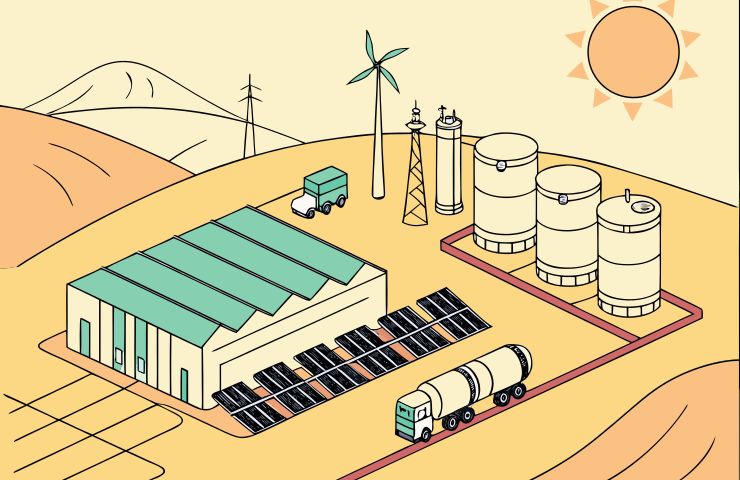
The facility they’re planning will run a multi-step conversion process. First, they’ll create green hydrogen through water electrolysis powered by renewable energy sources. Then, CO₂, which can come from industrial emissions or even direct air capture, gets purified before it goes into a syngas production unit. Johnson Matthey’s catalysts will help make the conversion process super efficient for both methanol-to-jet and Fischer–Tropsch routes.
This approach to carbon capture utilization means that the CO₂ they capture plays a key role in forming hydrocarbons, while the green hydrogen serves as the reducing agent. The final product? A synthetic jet fuel that not only meets blending standards but can be integrated into existing distribution networks without needing any engine modifications.
Strategic and Economic Implications
Locking down a core technology provider is a huge milestone that really helps to lessen the risks linked to the often-costly nature of eSAF projects. With the tech sorted, Phelan Green Hydrogen can now chase after agreements with airlines, especially as blending mandates heat up, and also connect with investors looking to dive into green industrial assets. On a local level, the engineering and construction connected to this project could create hundreds of skilled jobs in the Northern Cape. Plus, selling green commodities could really help tune up South Africa's balance of payments while supporting key industries like aviation and shipping.
South Africa’s Role in Global eSAF
South Africa has a long history of synthetic fuel production, thanks to its coal-to-liquids operations, and now shifting towards low-carbon e-fuels opens up exciting opportunities as a potential hub for exports. The Northern Cape, with its fantastic solar and wind resources coupled with port facilities at Saldanha Bay and Boegoebaai, makes it a prime spot for producing and exporting green hydrogen and eSAF. By getting this major power-to-liquids initiative off the ground, Phelan is really helping South Africa diversify away from coal and build a thriving green commodities market.
Environmental and Regulatory Considerations
While eSAF holds a ton of potential for slashing emissions from start to finish, the actual performance depends on the carbon intensity of the electricity used, as well as the availability of water for electrolysis and the source of the CO₂. Since South Africa’s grid is still pretty reliant on coal, it’s crucial to ensure that dedicated renewables are front and center to keep the project green. Plus, getting aligned with regulations concerning water usage, emissions, and land permits will play a significant role in the project’s environmental integrity.
Outlook and Next Steps
With the process technology nailed down, it’s time to focus on front-end engineering, financing, and securing offtake agreements. Keep an eye out for key milestones like getting environmental approvals, awarding contracts for major equipment, and exploring potential equity partnerships. As the aviation industry tightens its requirements for sustainable aviation fuel, projects like this could be game-changers in narrowing the supply gap. The speed at which Phelan Green Hydrogen moves toward making a final investment decision will definitely be a key indicator for the future of large-scale eSAF initiatives in emerging markets.