News
TÜV SÜD Launches Hydrogen Safety Certifications to Accelerate Global Hydrogen Infrastructure
TÜV SÜD launches new hydrogen safety certifications to support industrial-scale hydrogen projects worldwide, addressing critical barriers in fuel cells, electrolyzers, and infrastructure.
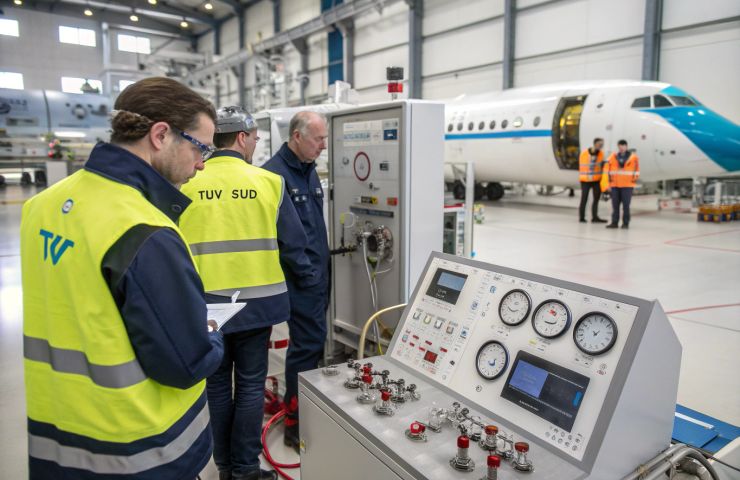
At the Crossroads of Safety and Scale: Hydrogen Certification Goes Global
As the hydrogen industry shifts into high gear, one major hurdle—safety certification—is finally getting up to speed. At the World Hydrogen Summit in Rotterdam this past May, leading testing and certification company TÜV SÜD rolled out an ambitious new set of hydrogen safety certifications and training programs. The goal? Streamline project approvals, reduce risk for investors, and make sure hydrogen systems work safely and reliably across a range of heavy industries.Breaking It Down: What’s New?
The standout announcement was the launch of H2-Readiness Certification, which zeroes in on how materials perform under hydrogen’s unique conditions. That includes stress-testing components with standard P003, simulating pressure cycles, and running thermal shock tests—pretty much everything you’d want to stress-test any part that’s expected to safely handle high-pressure hydrogen gas. But that wasn’t all. TÜV SÜD also introduced two additional certifications focused on specific tech:- Fuel Cell Systems Certification – This certifies factory-made fuel cells under the IEC 62282 standard. It involves leak detection, electrical safety evaluations, and how well the system holds up under realistic operating stresses.
- Electrolyzer Certification – Built around ISO 22734, this one focuses on hydrogen purity, staying power of components, and how reliably the system can shut down in an emergency.
Why It Matters: Safety First Unlocks Growth
Hydrogen has the potential to reshape how we power industries, transport, and entire nations. But none of that can happen if people don’t trust these systems to be safe—especially at scale. That's where TÜV SÜD’s hydrogen safety certification program comes in. These independently verified checks remove huge question marks for manufacturers and investors, helping speed up project approvals and unlock funding. With multi-billion-euro projects like Germany’s H2Global and the H2 Gateway at the Port of Rotterdam in the works, this move couldn’t come at a better time. If you're working on a hydrogen-ready power plant, building a facility full of electrolyzers, or designing the next wave of low-emission aircraft, one thing is clear: certified safety isn't negotiable.The Hydrogen Challenge: What Does “Ready” Even Mean?
Hydrogen may be just another element, but it’s a tricky customer. It’s the tiniest molecule around and sneaky enough to slip through materials, causing things like metal embrittlement. So, any system handling hydrogen, especially under pressure, needs to be built tough—and tested even tougher. At TÜV SÜD’s Garching lab in Germany, engineers are putting components through the wringer. We're talking gas flow simulations at up to 1,000 bar—the kind of pressure you’d see in hydrogen trains, heavy trucks, or even aircraft. Think rapid decompression tests, nonstop start-up cycles, and wear-and-tear trials on everything from fuel stacks to valves.What This Means for the Industry
This isn’t just TÜV SÜD flexing some engineering muscle—it’s a clear message to the market. With this new framework, they’re staking a claim as a key player in building safe, scalable hydrogen infrastructure. That’s especially important in high-stakes areas like transport and heavy industry. So, what’s already in the pipeline?- Hydrogen trains – Take Alstom’s Coradia iLint, the world's first hydrogen-powered passenger train. TÜV SÜD is making sure those rail components meet both rail and hydrogen safety standards.
- Hydrogen aircraft – Companies like Airbus are leaning on certifications for safe operation in their ambitious ZEROe program.
- Electricity generation and ammonia exports – including retrofitted gas turbines set up to handle hydrogen blends through safe and reliable operation.
Experience Counts: TÜV SÜD’s Hydrogen Track Record
TÜV SÜD isn’t new to this game—they’ve been at the forefront of hydrogen safety certification since 2010. Back then, their focus was mostly on fuel cell vehicles. Fast forward to 2022 and their work on the Hy4Heat project with the UK government took things to a whole new level, helping validate hydrogen as a heat source for entire systems. That transition—from certifying single components to ensuring full ecosystems are safe—has made them one of the most trusted names in the game.Why Rotterdam Made Perfect Sense
This whole rollout happening in Rotterdam? Totally intentional. With the largest port in Europe and a central role in cross-border hydrogen trade routes, the city is making a strong push to become the hydrogen hub of Europe. The H2 Gateway project is already laying down the pipes—literally—to move green hydrogen into Germany and across North Sea industrial corridors. By launching their certifications here, TÜV SÜD places its hydrogen safety framework right at the heart of the action—where global ambition meets real-world deployment.Looking Ahead: A Certified Hydrogen Future
All signs point to rapid global growth for hydrogen—whether it’s big-time electrolysis projects in Australia or hydrogen-powered ships setting sail from Japan. And as these projects scale, having reliable, globally recognized validation standards will become non-negotiable. Bottom line? If you’re speccing parts for a hydrogen-powered train or building a dual-fuel turbine, expect hydrogen safety certification to become just as important as ISO or CE compliance has been for decades.Final Thought
Hydrogen’s future is bright—but it’s not just about bold ideas or clean molecules. It's about rock-solid safety and reliable systems. With this new round of certifications, TÜV SÜD is laying the foundation for that future—adding confidence and credibility, one certified component at a time. From ultra-high-pressure lines to cutting-edge transport, these programs are the invisible infrastructure powering the hydrogen revolution. The future's not just on its way—it’s being rigorously tested and certified into reality.How was this article?
Thanks for the feedback!