Taranaki’s Green Hydrogen Push Seeks National Backing for Industrial Decarbonization
Taranaki ramps up its campaign to become New Zealand's green hydrogen hub, backed by a pitch to Wellington for regulatory certainty and funding. Leading projects are already underway—but more is needed to scale.
A Fossil Fuel Legacy Turns Toward Green Hydrogen
For decades, Taranaki was the powerhouse of New Zealand’s oil and gas industry. Now, it’s eyeing a very different future — one that’s clean, green, and powered by hydrogen. The region’s leaders, united under the Taranaki Mayoral Forum (that’s all the district mayors plus the regional council chair), are making a clear ask to the government in Wellington: back us with funding and clear rules, and we’ll become the country’s green hydrogen capital.
Their pitch is pretty straightforward. Taranaki already has the bones for this kind of transition — a skilled workforce, strong industrial players, an export-ready port, and the experience running big energy operations. What they’re missing? National-level support to move fast and compete in the fast-growing global hydrogen production space.
Why Taranaki’s a Natural Fit
When the government ended new offshore oil and gas permits in 2018, it left Taranaki’s energy economy at a crossroads. But the region didn’t sit still. With companies like Methanex (methanol) and Ballance Agri-Nutrients (fertiliser) already well established, the area still has plenty of energy know-how — not to mention deep logistics experience and a port that’s open for business.
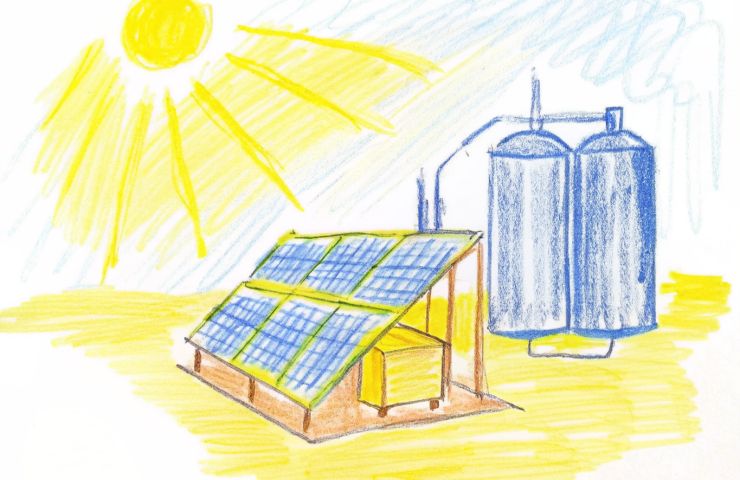
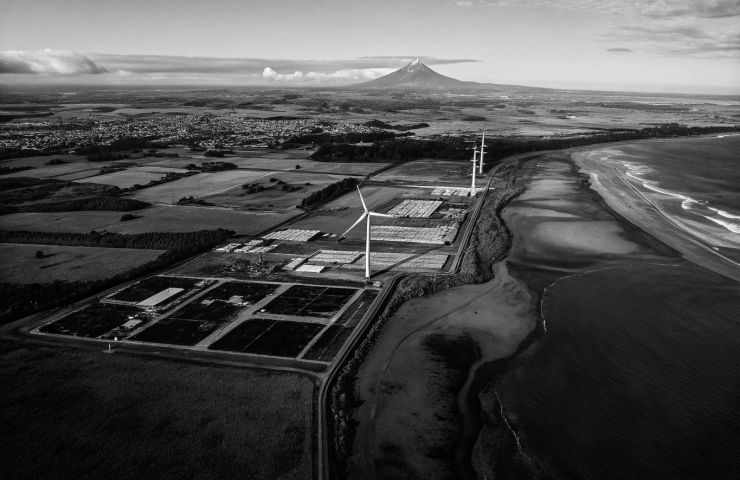
Leading the local change is the Kapuni green hydrogen project, a wind-powered joint effort between Hiringa Energy and Ballance Agri-Nutrients. It’s already got fast-track consent and secured around $20 million in public investment. But if this pilot project is going to scale up in a meaningful way, Taranaki needs more than just seed money — it needs long-term commitment from the government, including smart regulations, infrastructure partnerships, and a solid export strategy.
Here’s What They’re Asking For
- A formal designation of Taranaki as a national hydrogen hub
- Early and clear regulatory signals from MBIE
- Coordinated funding for everything from innovation to commercial rollout
- Genuine early engagement with Māori groups to uphold Treaty responsibilities
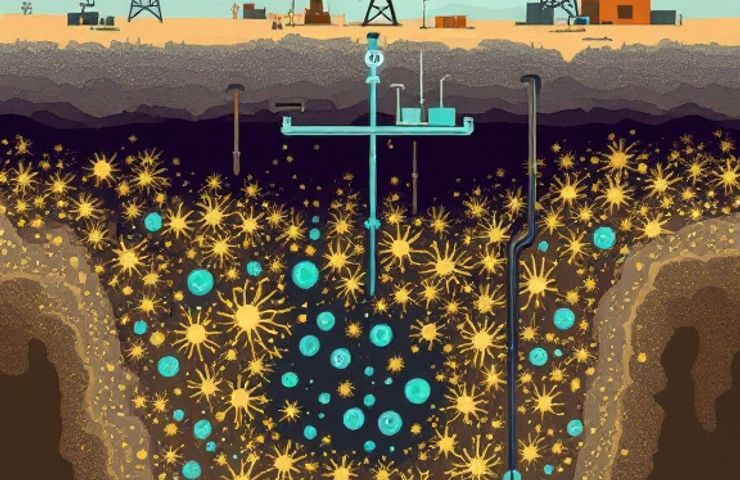
The push isn’t just about green hydrogen. The region is also keeping an eye on newer opportunities, like geological hydrogen — also known as orange or natural hydrogen — with the potential for renewed exploration both on land and offshore.
Part of a Bigger Shift
This isn’t just a hydrogen side project. Taranaki’s energy pivot has been in motion for more than a decade, kicked off by that decline in fossil fuel exploration approvals. Groups like Venture Taranaki and Ara Ake have mapped out detailed plans for hydrogen infrastructure, backed small-scale pilots, and bet big on zero-emission technology as the next chapter for the local economy.
The hopes are big: use green hydrogen to power heavy industry, move freight, and ultimately create a new kind of energy export. But the hurdles are real too — things like the massive electricity demand of electrolysis, emissions implications depending on the hydrogen source, and complex land use and Treaty-related factors that can’t be ignored.
Clean Energy at Home, Potential for Exports
If it plays its cards right, Taranaki could become a case study in turning a fossil fuel legacy into a clean energy future. A smart, inclusive hydrogen economy built with the right mix of old infrastructure and new tech could breathe new life into the region — all while helping New Zealand hit its 2050 net-zero carbon targets.
The region’s got the edge in logistics, with port access and strong links to renewable energy. If global demand lines up, there’s real potential to export green hydrogen or produce clean ammonia for other countries too. But again, that’ll take serious long-term investment and a bit of good timing.
What Comes Next
The government has put some backing on the table, but local leaders are calling for more than one-off support. They’re asking for structure — real policy direction, funding pathways, and consistent co-investment frameworks that reduce risk for both private investors and iwi-led ventures.
“We’ve got the pieces. Just need the puzzle to be finished,” said one official — off the record, but pretty on point. There’s cautious optimism on the ground, but folks know time is tight.
As the world gets more serious about industrial decarbonization, the next couple of years in Taranaki could be decisive. Whether New Zealand rises to the top in the low-carbon game may just depend on what happens here.