News
Ultrasound-Based Fuel Cell Recycling Breakthrough Tackles PFAS Contamination and Platinum Recovery
Johnson Matthey and University of Leicester unveil ultrasonic fuel cell recycling breakthrough, doubling platinum recovery while eliminating PFAS contamination risks. The innovation slashes costs and aligns with 2030 clean tech regulations.
Ultrasound Tech Takes Fuel Cell Recycling to the Next Level
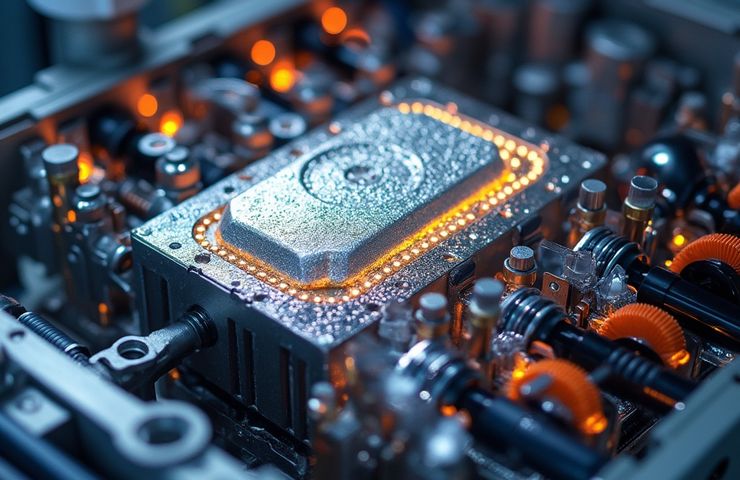
In a big breakthrough for clean energy, researchers at the University of Leicester, working with Johnson Matthey, have found a smarter, cleaner way to recycle crucial materials from old hydrogen fuel cells—especially precious platinum. Even better? This new process also tackles the headache of PFAS (‘forever chemicals’) that come with the territory. Unveiled on January 15, 2025, this marks the first time ultrasonic separation has been successfully used on an industrial scale within fuel cell technology. The result is a powerful step towards creating a closed-loop recycling system for catalyst-coated membranes—one that could drive down costs and slash toxic waste output in hydrogen fuel cell production.So, What’s New—and How Does It Work?
Here’s the smart part: researchers used a 300-watt ultrasonic probe running at 25kHz to pump high-frequency sound waves into a specially pre-treated solvent. That sound triggers a process called acoustic cavitation—basically, it creates loads of tiny bubbles that pop with enough force to separate platinum from the underlying PFAS-based membranes. The magic? The platinum is recovered intact, while the membrane stays unharmed—safe, reusable, and still chemically stable. No more relying on harsh, dangerous chemicals like hydrofluoric acid, which has been banned in the EU since 2021. The payoff is huge: this new method captures about 92% of the platinum, compared to just 45% with traditional methods.Why It Matters: Cheaper, Cleaner and In Step With Regulations
This isn't just about better tech—it’s about bigger-picture impact. First, it gives the fuel cell supply chain a much more efficient and cost-effective way to reuse tough-to-source materials like platinum. Second, it helps solve the growing PFAS problem by separating and neutralizing these persistent chemicals before they can do more harm. With the EU and EPA gearing up for a full PFAS phaseout by 2030, this couldn’t come at a better time. Internal reports from Johnson Matthey’s pilot phase suggest costs linked to membranes could drop by as much as 18%, while also preventing PFAS pollution on a scale comparable to taking 50 million cars off the road by the end of the decade.Fuel Cells: Stepping Into Their Second Act
Back in the 1990s, fuel cell systems started using PFAS membranes for their heat resistance and conductivity. Super efficient, but they came with a price: once used, they were hard—and risky—to recycle. That’s what makes this breakthrough so exciting. It finally closes the loop on both the tech side and the environmental side, giving hydrogen fuel cells a greener future and helping the UK and EU meet their industrial decarbonization and recycling targets.Next Steps: From the Lab Bench to Real-World Plants
The new process is already being tested in the field at Johnson Matthey’s Swindon pilot plant, with an eye on expanding it to other clean energy systems like water electrolyzers. They’ve filed an impressive 47 patents related to the technology in the first quarter of 2025 alone. If it works as well at scale as it has in trials, we could be looking at a game-changing new standard for recycling not just in fuel cell technology, but across a range of electrochemical systems that use rare metals.The Bottom Line: Cleaning Up Fuel Cells While Cutting Costs
Let’s be real—two of the biggest hurdles facing hydrogen fuel cells are their cost and the challenge of safely handling PFAS materials. This innovation cuts straight through both. And at a time when governments and industries are racing to decarbonize, it's more essential than ever. For all the talk about the future of green hydrogen, this shows what's actually possible when you combine smart science and industrial know-how. And it’s happening, fittingly, in the East Midlands—a region with a long legacy of innovation that’s now shaping the next chapter in clean energy.Looking Ahead: A Blueprint for Greener Systems Worldwide
This isn’t just another cool lab discovery—it’s a model for how we can scale up PFAS recycling in an industry that’s hungry for sustainable solutions. With platinum at the heart of the hydrogen economy and legacy recycling methods falling short, this new approach could be just what we need. If other regions and sectors follow suit, we may finally be on our way to creating a truly circular, zero-emission fuel cell industry. One that’s not only more sustainable—but also smart enough to meet the planet’s growing energy demands in a cleaner, faster, and more responsible way.How was this article?
Thanks for the feedback!